An older cat's feeding needs cannot be decided by age alone. Weight gain, muscle loss, dental discomfort or a medical condition may each influence the plan. An examination and an accurate account of current food provide a more useful starting point than a generic senior menu.
Look beyond appetite alone
Record weight trends, body condition and muscle changes. A cat may approach food eagerly but struggle to chew, or eat regularly while losing weight. New thirst, vomiting or reduced activity deserves assessment rather than being accepted as ordinary aging.
Keep the diet complete and accessible
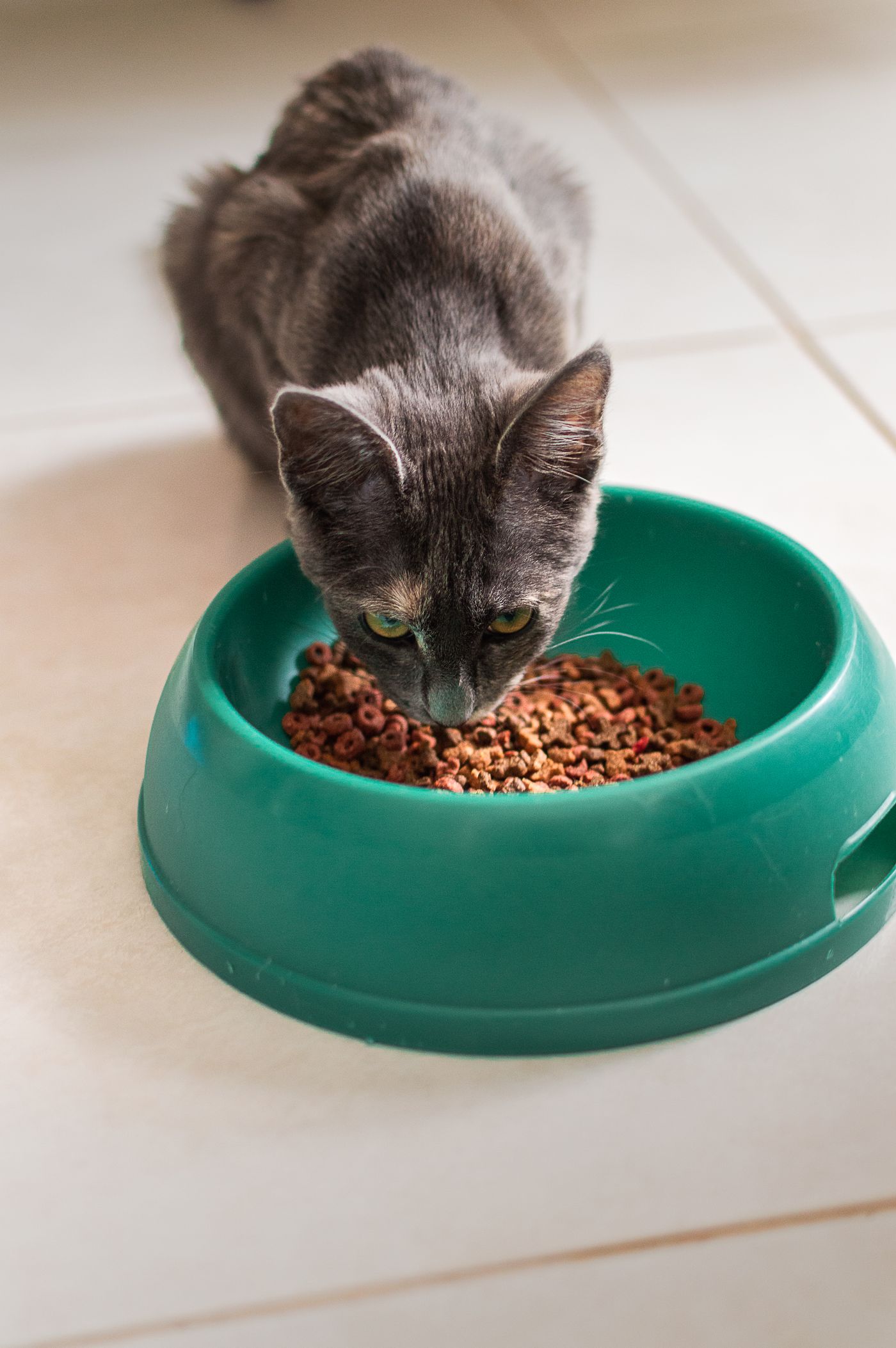
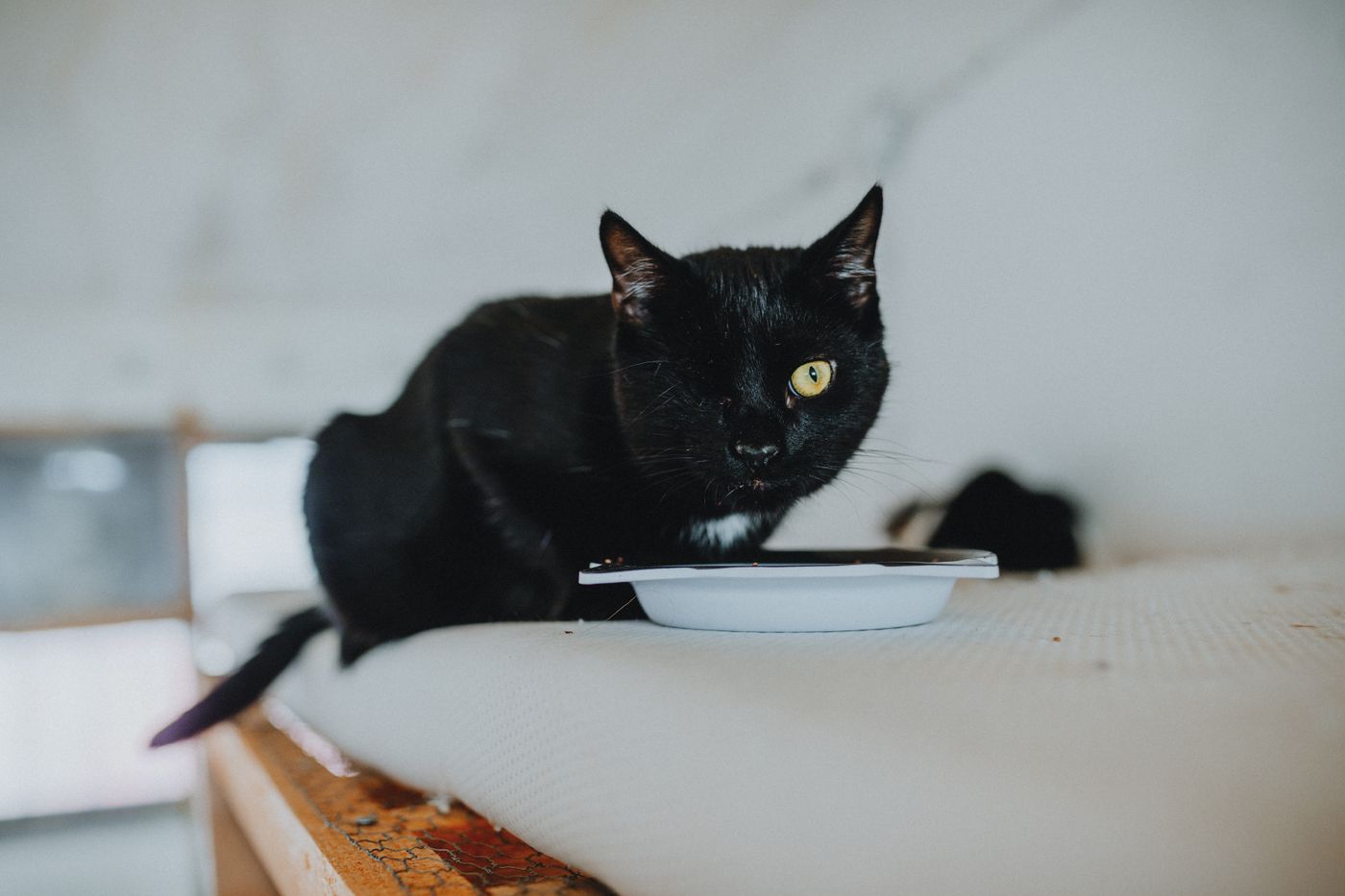
Choose a complete food suited to the cat's medical needs and preferences. Offer meals where the cat can reach them without difficult jumps, competition or slippery footing. A comfortable bowl height and smaller, fresh portions may make eating easier for some individuals.
Wet food can add moisture, while texture and gentle warming may improve appeal. Check temperature carefully and preserve safe food handling. Avoid replacing balanced meals with a collection of meat, broth and supplements.
Support joints as part of a wider plan
Maintaining an appropriate weight can reduce unnecessary load, while adequate nutrition helps preserve muscle. Some therapeutic diets or supplements may have a role, but their suitability and dose depend on the cat. Discuss them with your veterinarian, especially when other diseases or medications are involved.
Make comfort practical
Add low steps, warm resting places and non-slip routes to food, water and litter. Dietary changes do not replace assessment and treatment of pain.
Introduce a new food gradually when appropriate and monitor intake closely. An older cat that is not eating needs prompt advice, not a prolonged contest over a supposedly better menu.
ONE THING TO TAKE WITH YOU
Tailor nutrition to the cat's condition and combine it with accessible surroundings and pain care.
FURTHER READING
Editorially checked on 23 November 2026. Sources are provided for further reading; this is not an individual veterinary assessment.
General editorial information. Your veterinary team can advise on the needs and health of your individual pet.