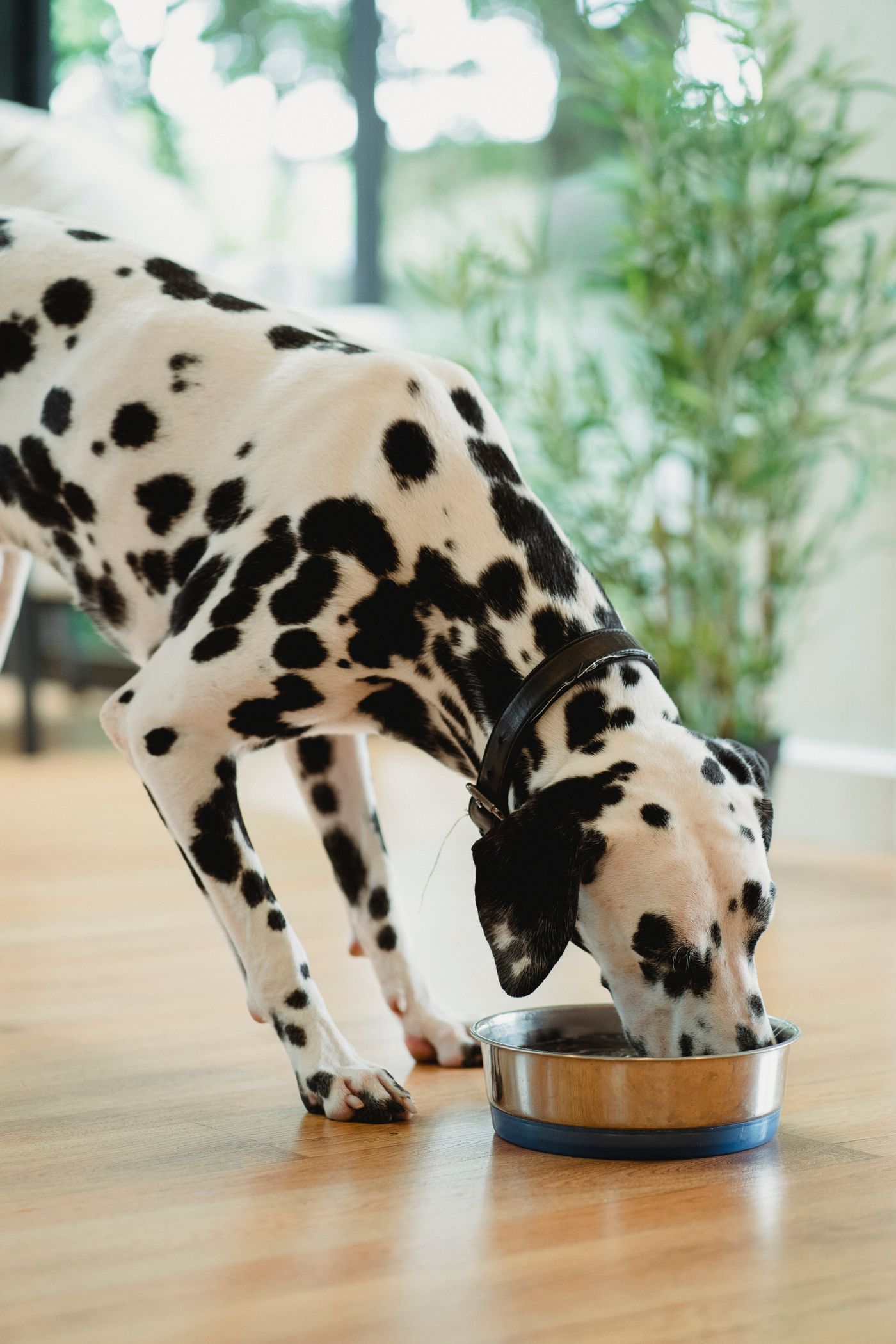
Everyday dog nutrition: balanced meals and twelve optional extras
Everyday feeding is one part of helping a dog enjoy a comfortable life.
THE CREATEMY COLLECTION
For a question, a quiet moment, or a fresh idea. Find something worth trying today.
110 guides to explore
Everyday feeding is one part of helping a dog enjoy a comfortable life.
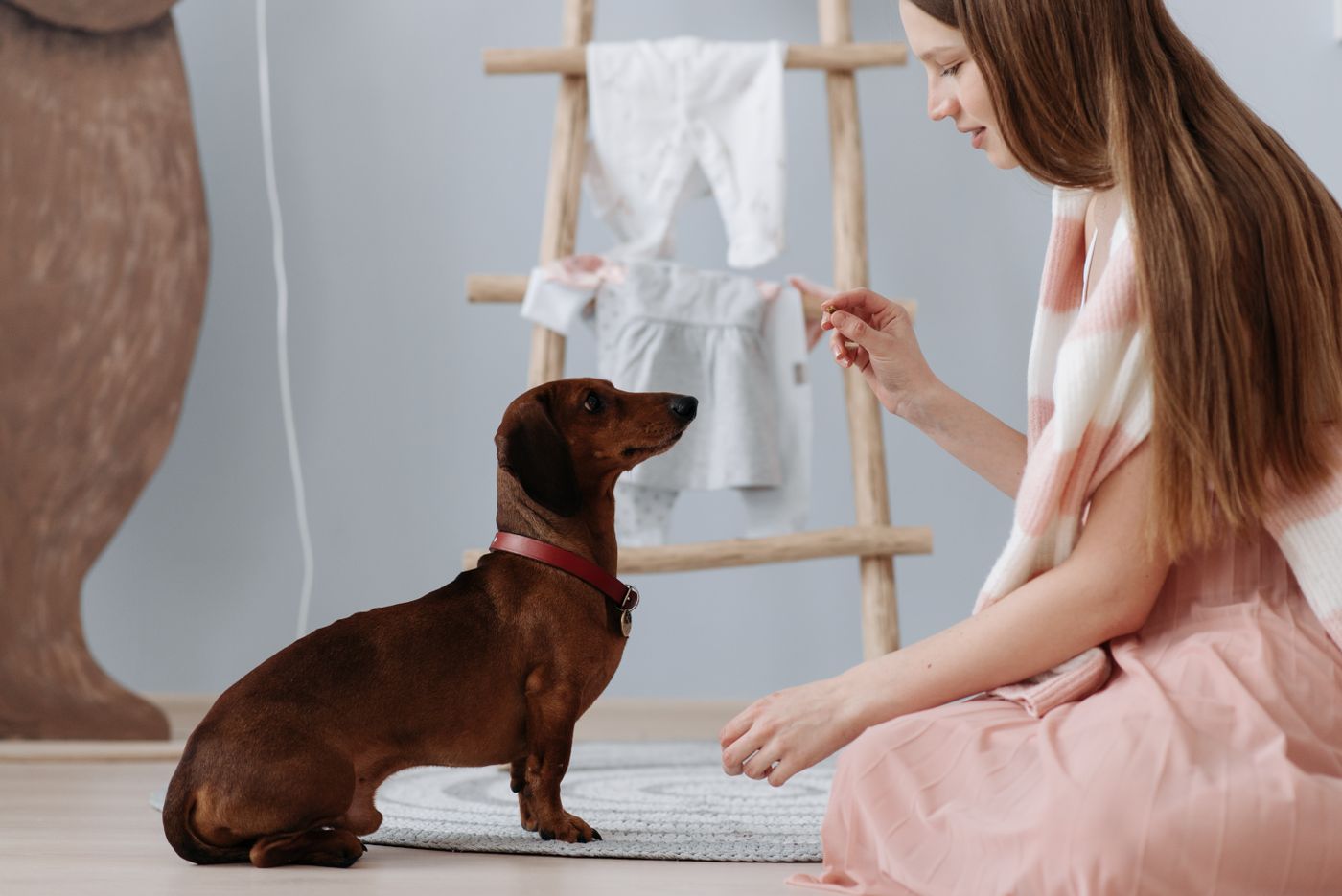
A useful home training plan gives you and your dog a clearer way to communicate.
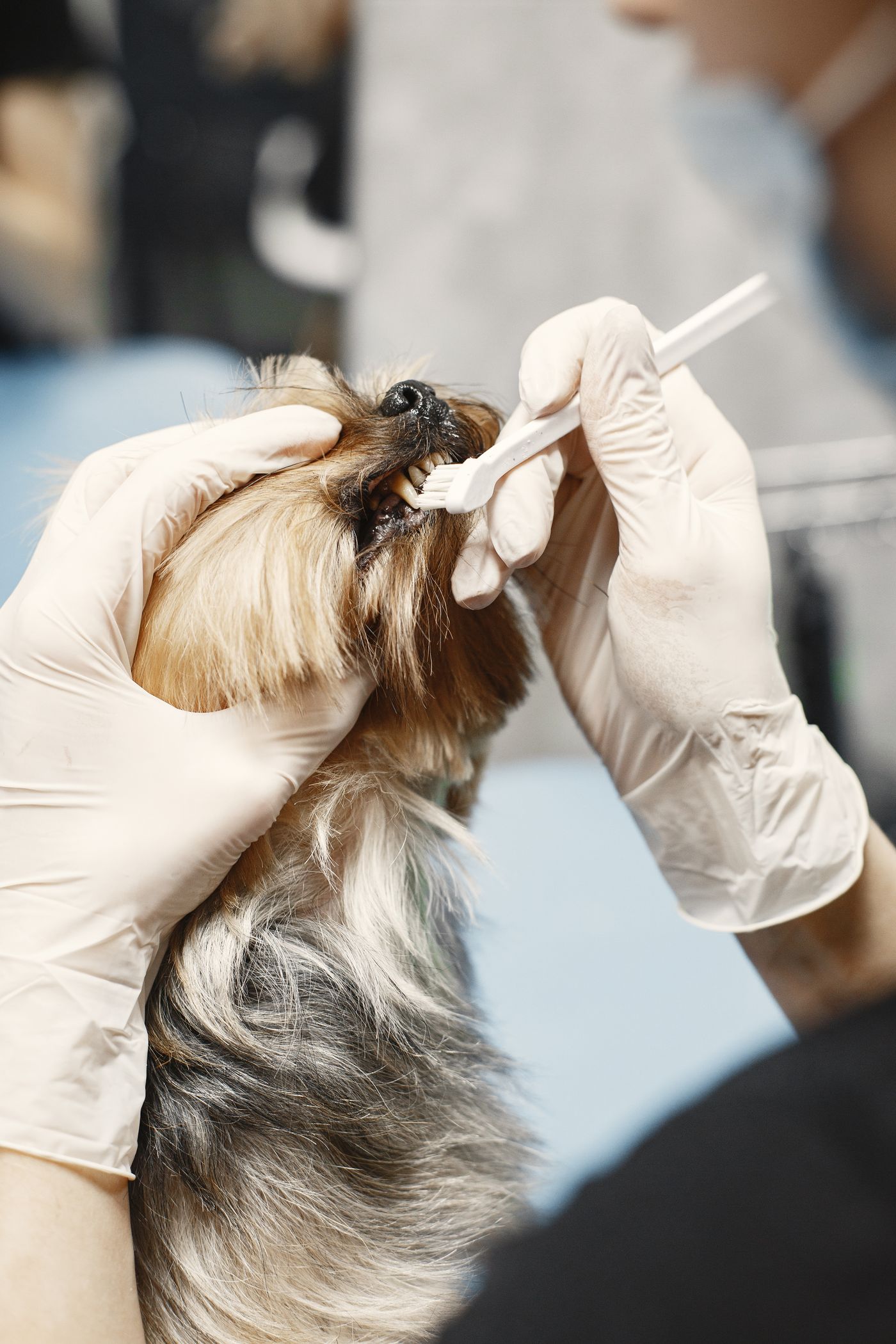
An occasional food-related smell is different from breath that stays unpleasant.

A small check by the door can make an outing easier to manage.

Your usual route does not have to be the right route every day.
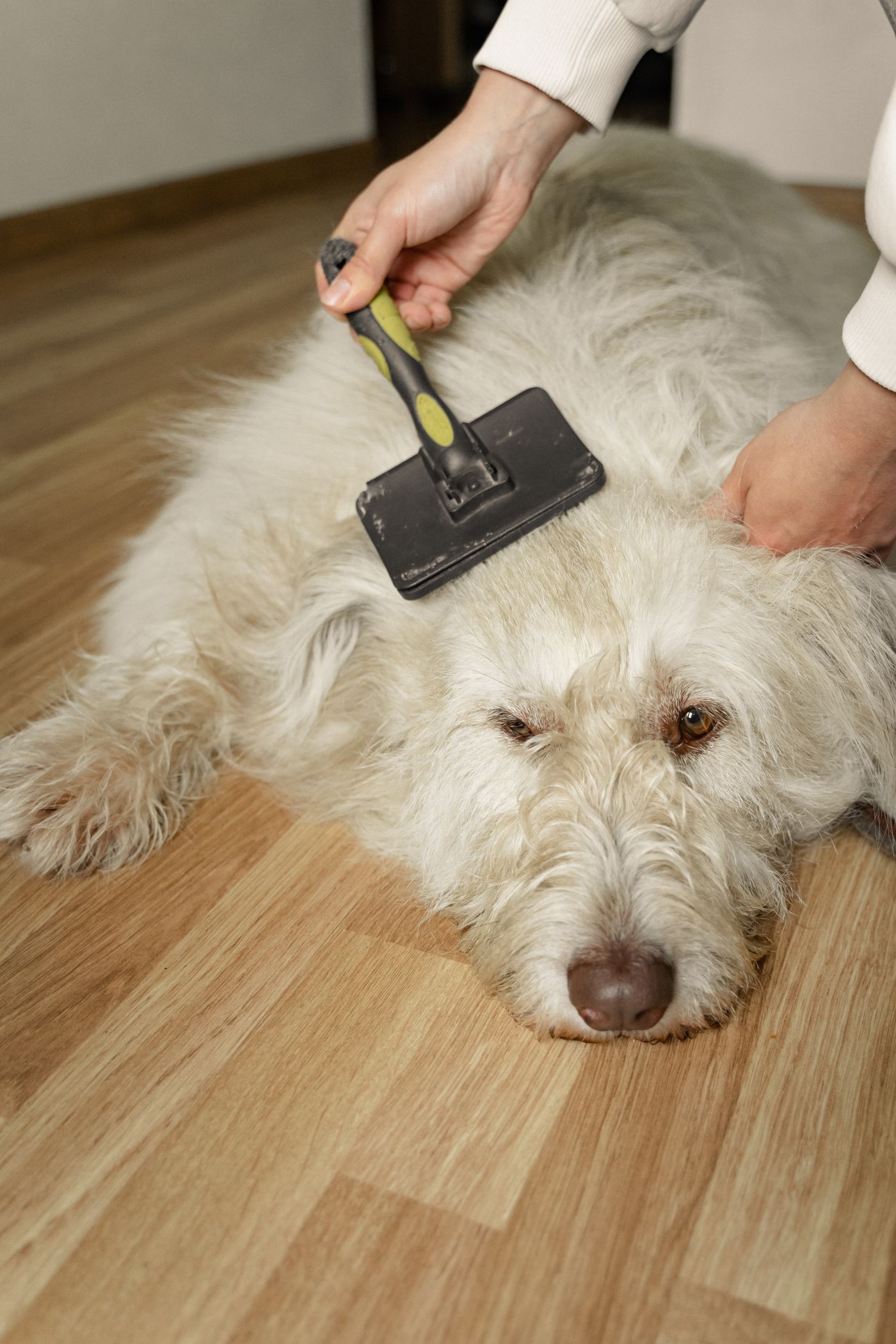
A useful checklist leaves room for the animal in front of you.
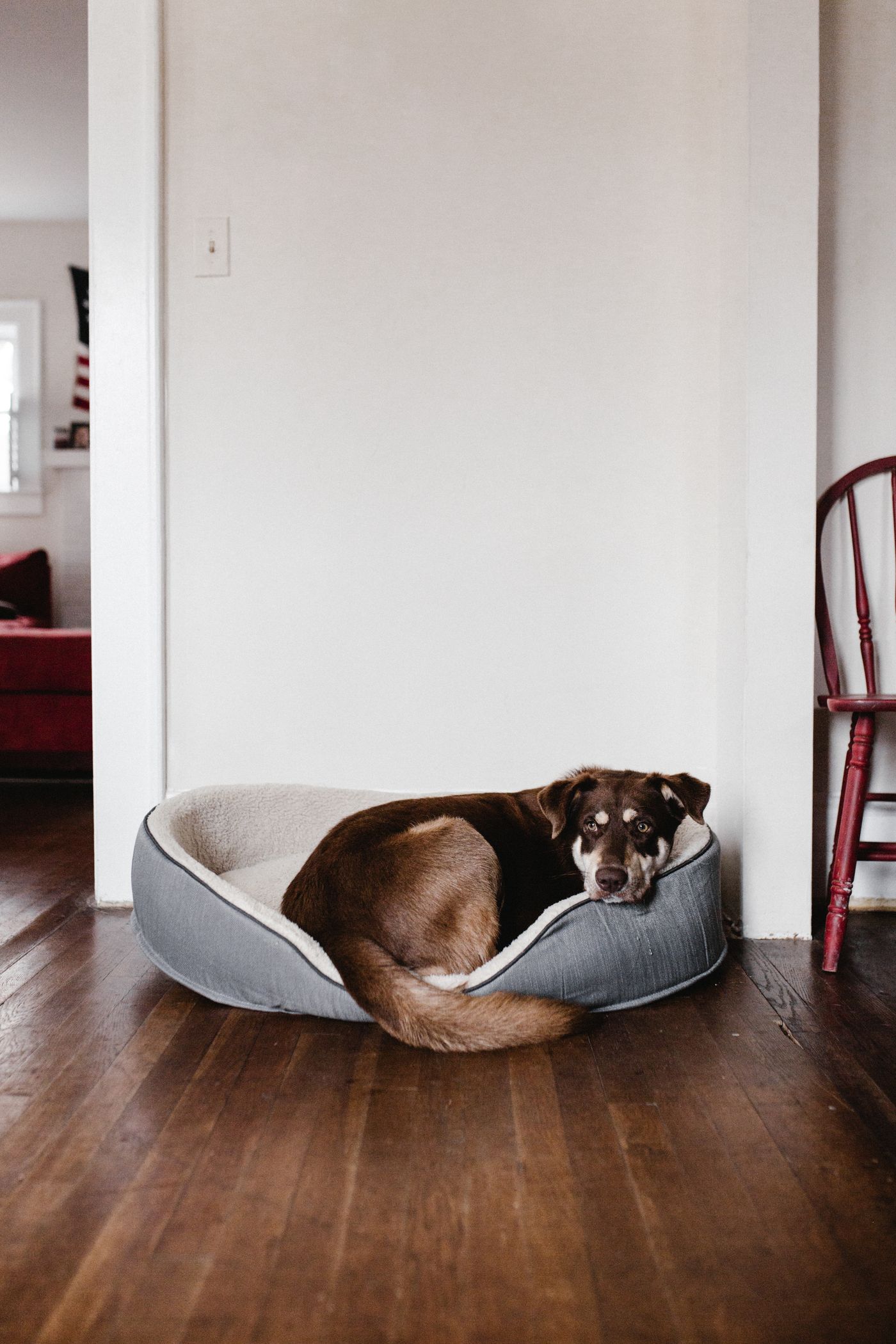
Rest deserves a place on the household schedule.
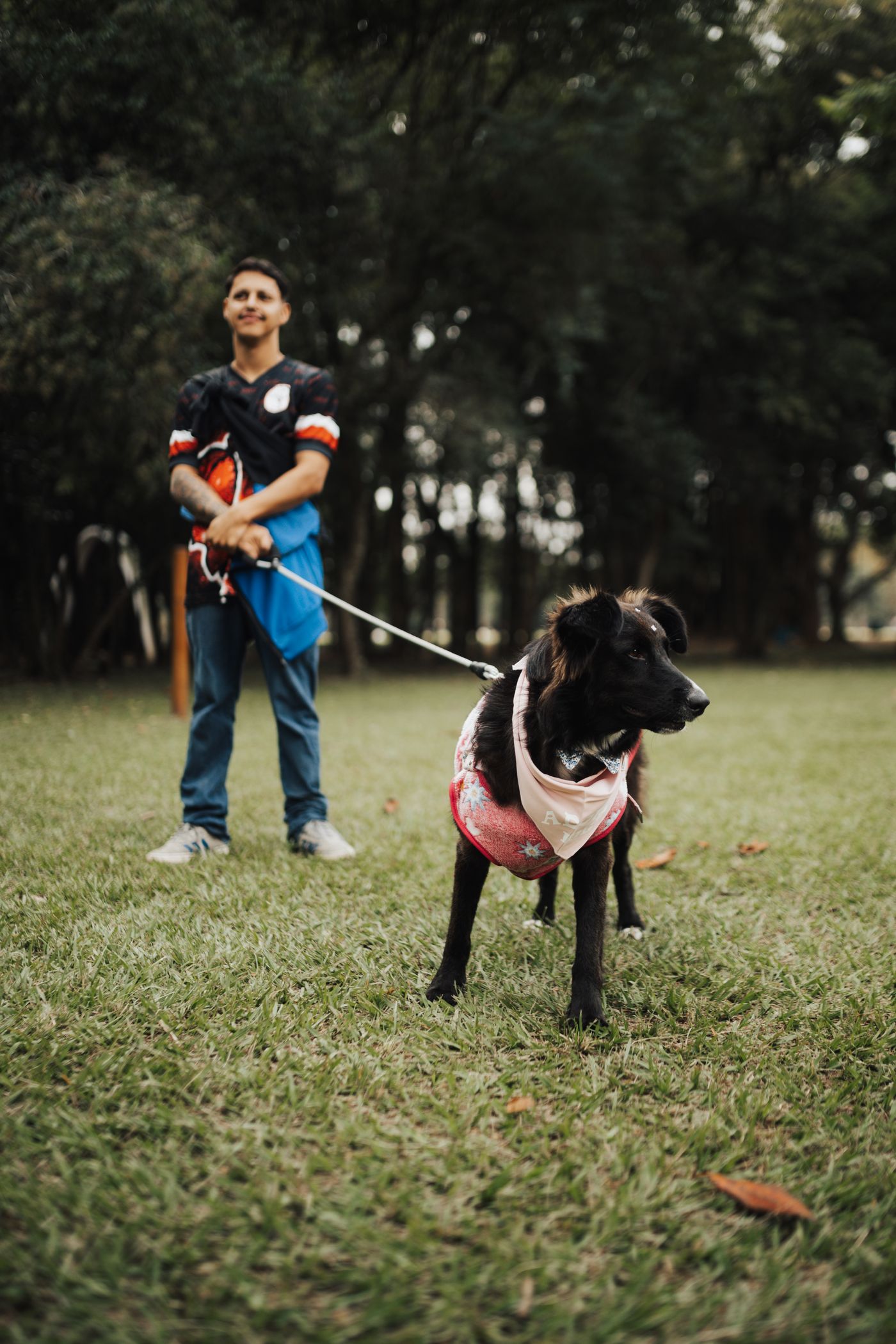
Equipment should fit your dog rather than the breed on the packaging.
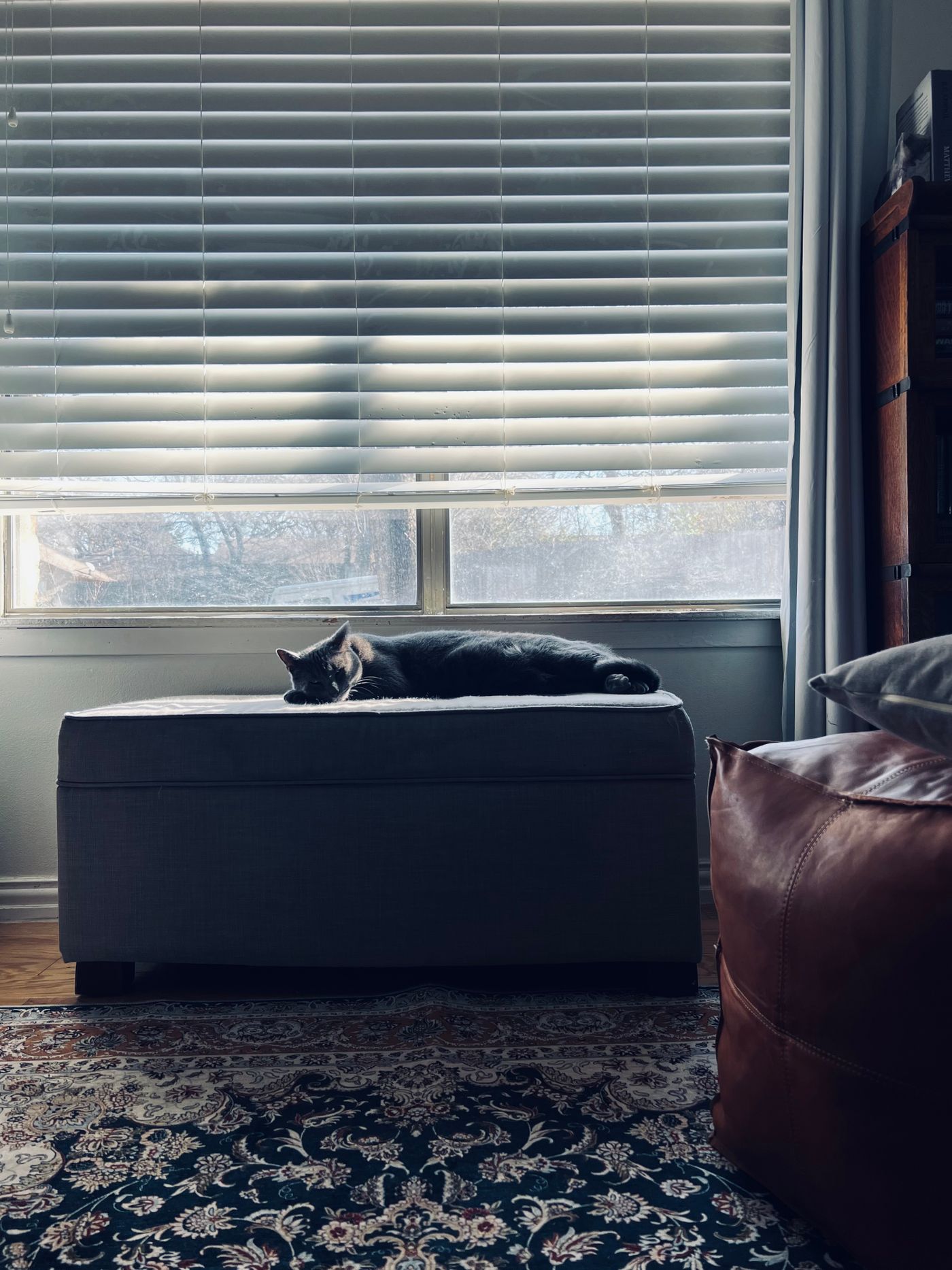
Toileting space works better when a cat can turn comfortably.

A new home can be introduced a room at a time.

Coming when called outdoors asks more of a dog than returning across a quiet kitchen.

A trend tells you more than one photograph.

An ordinary pavement can offer plenty to explore.

The best outdoor kit matches the route and the animal.

Learning can be an invitation rather than a test.
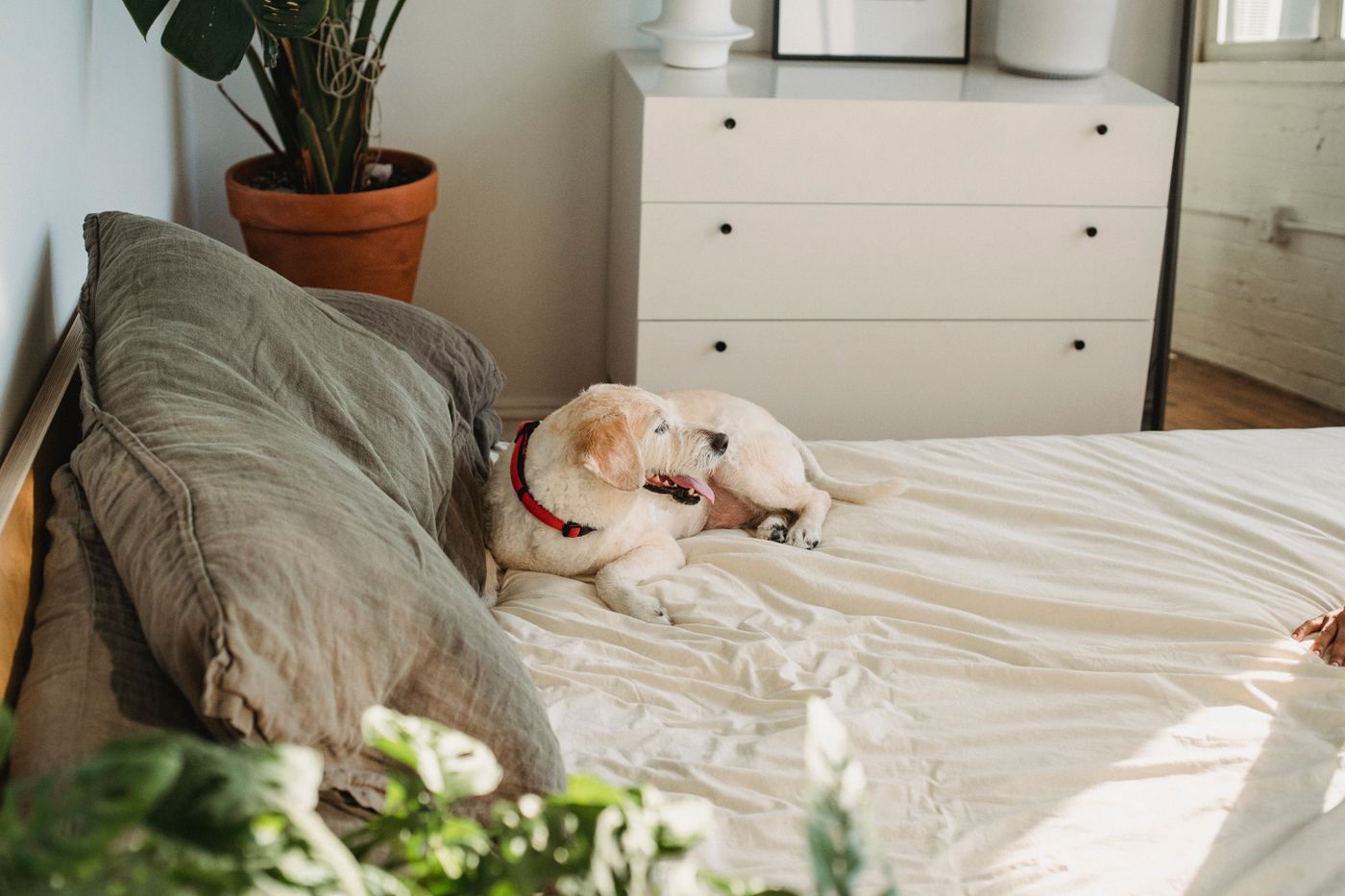
A quieter household can be a good match for some dogs, but every dog still needs time, exercise, companionship and healthcare.
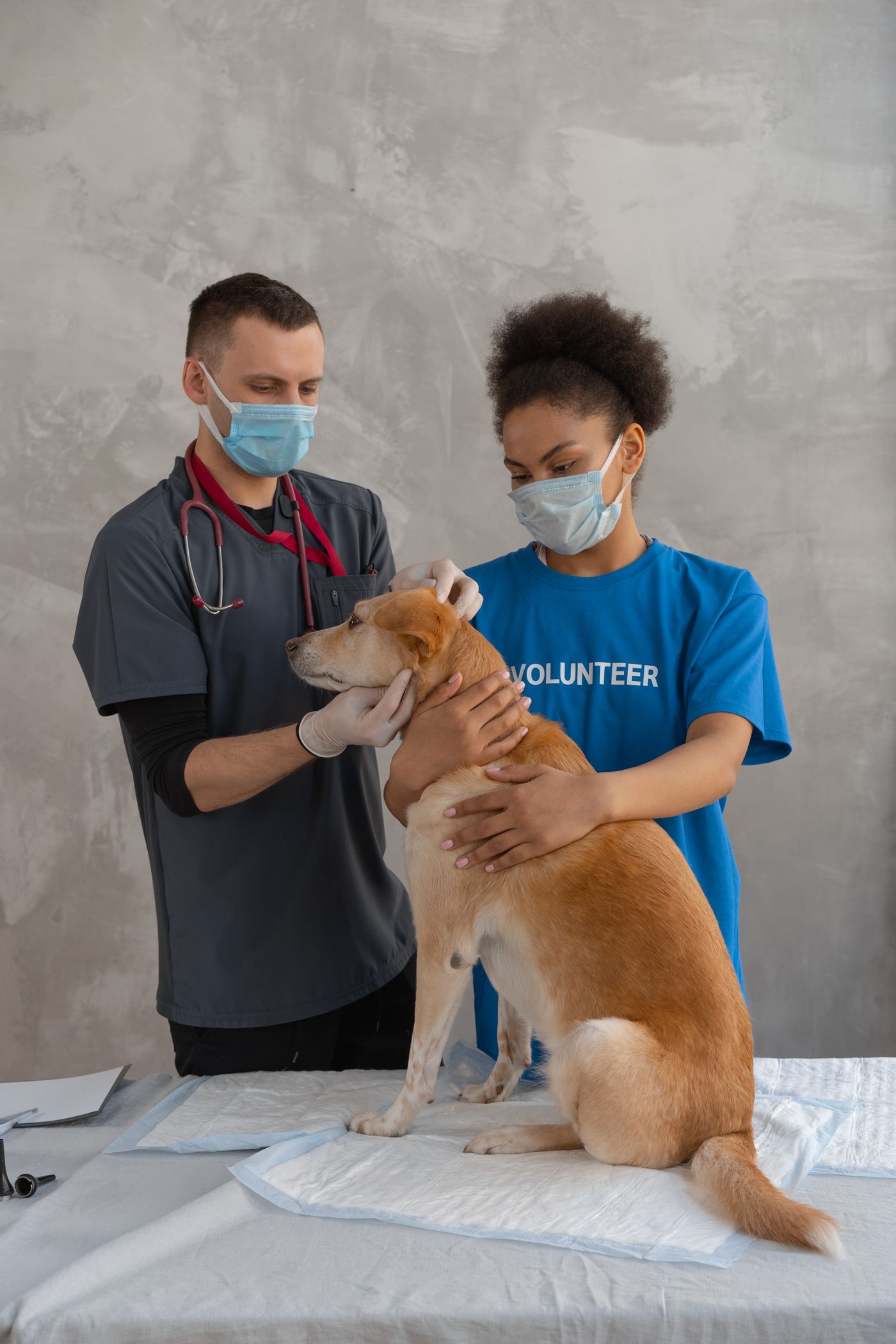
The waiting room is easier when familiar routines travel with you.
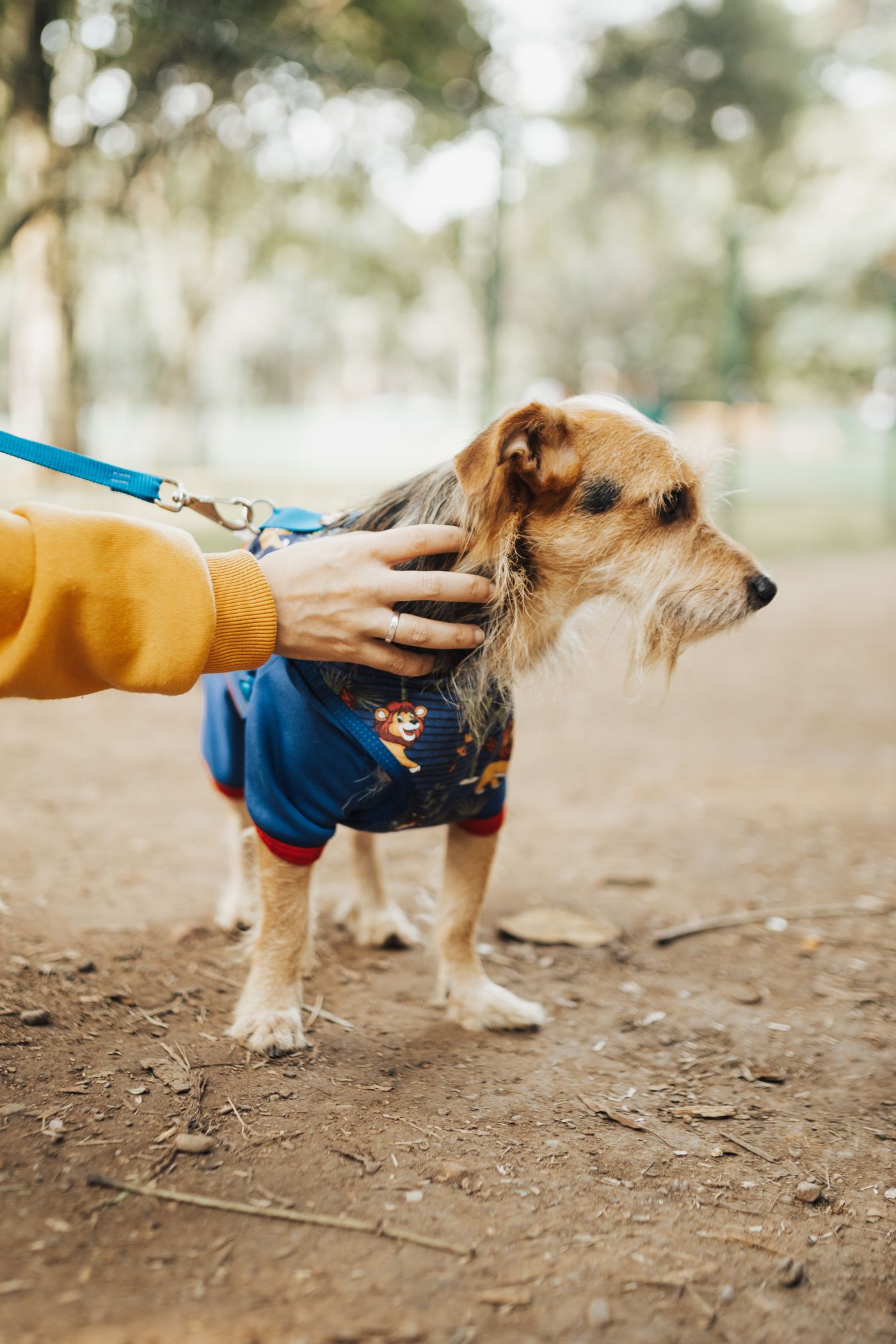
Affection and practical cleanliness can share a routine.
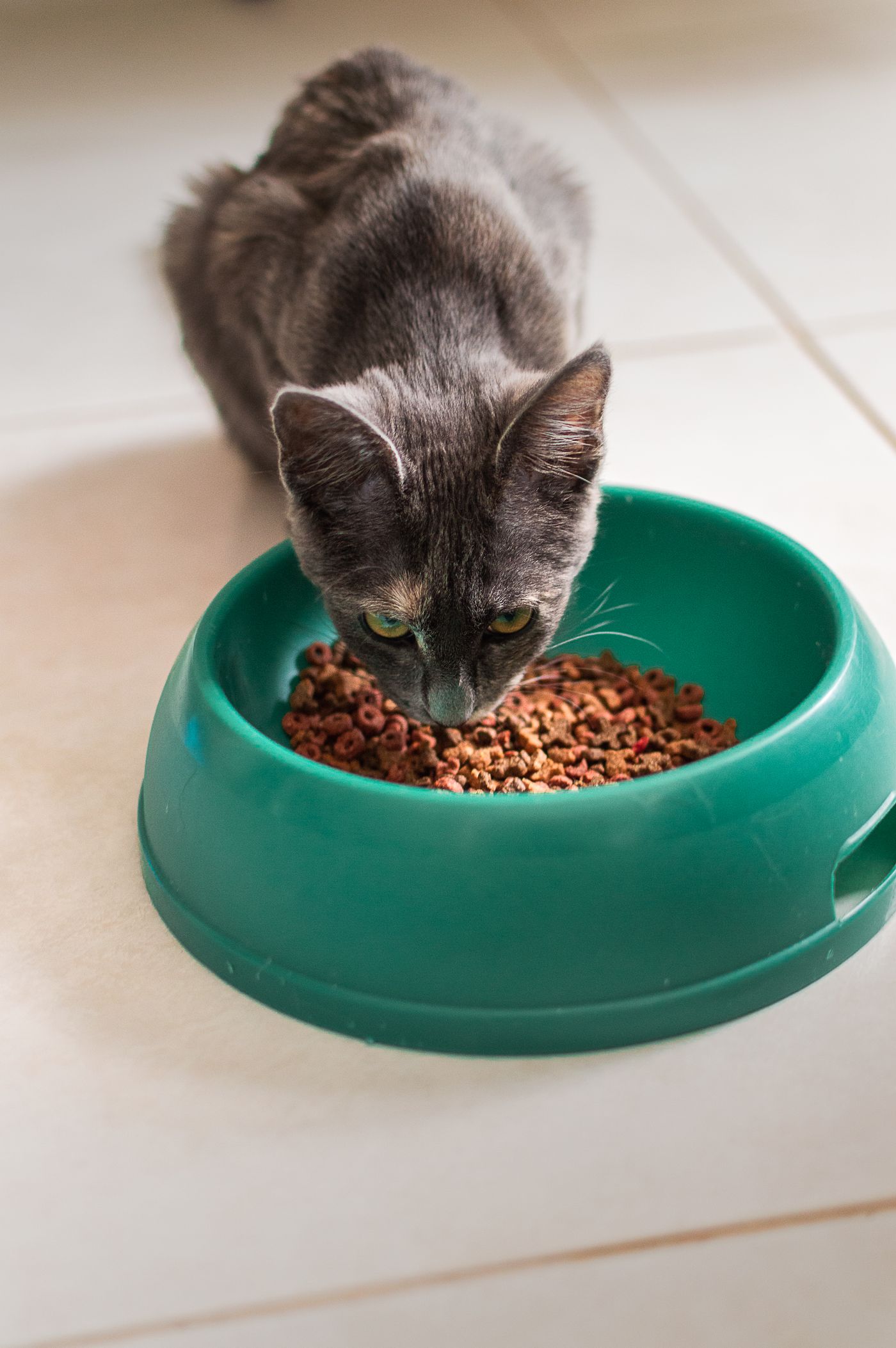
The label is part of a useful storage system.

A comfortable relationship grows through small invitations.
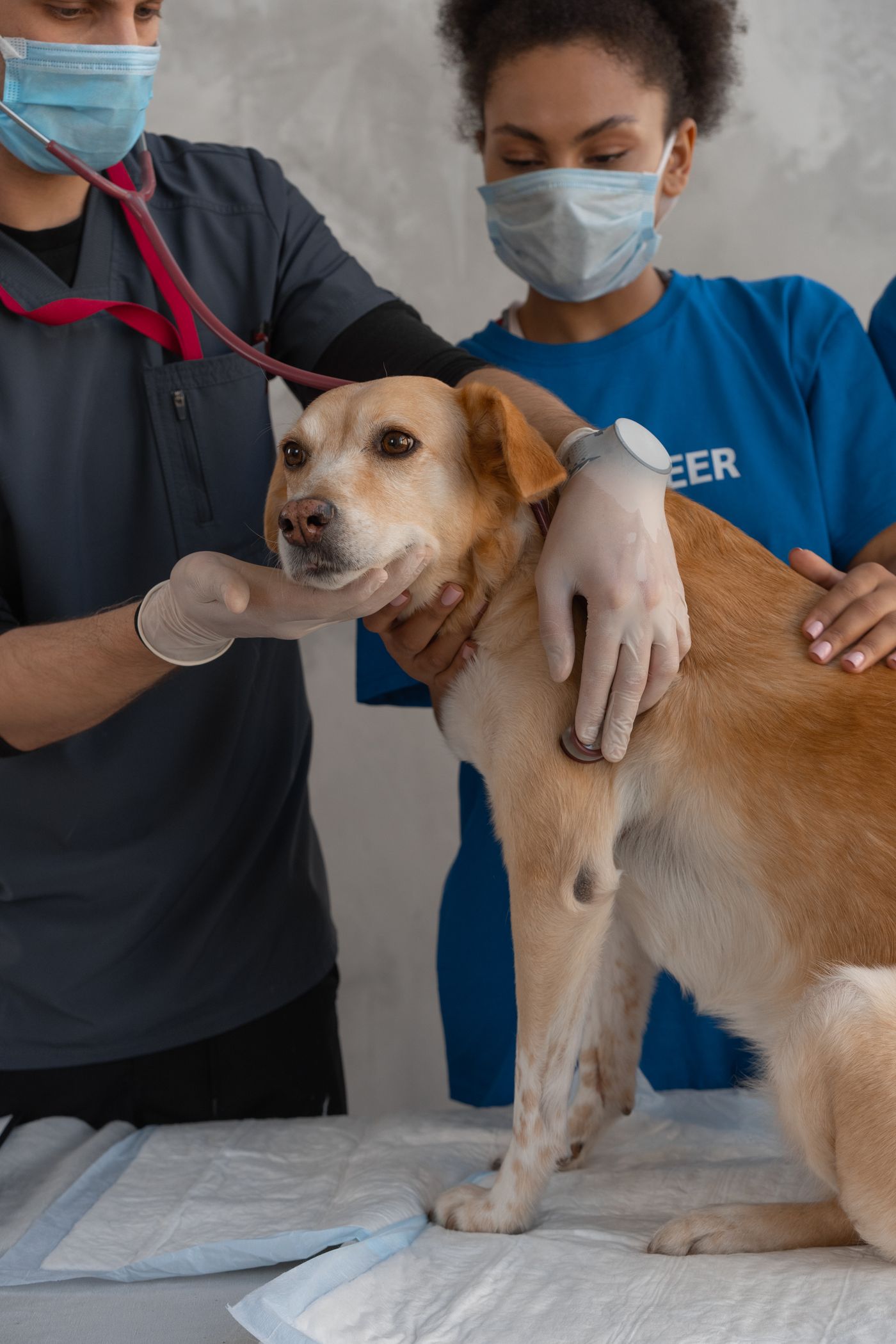
Recognising a change begins with knowing your pet's ordinary habits.

Socialisation helps a kitten discover that everyday experiences can be manageable.
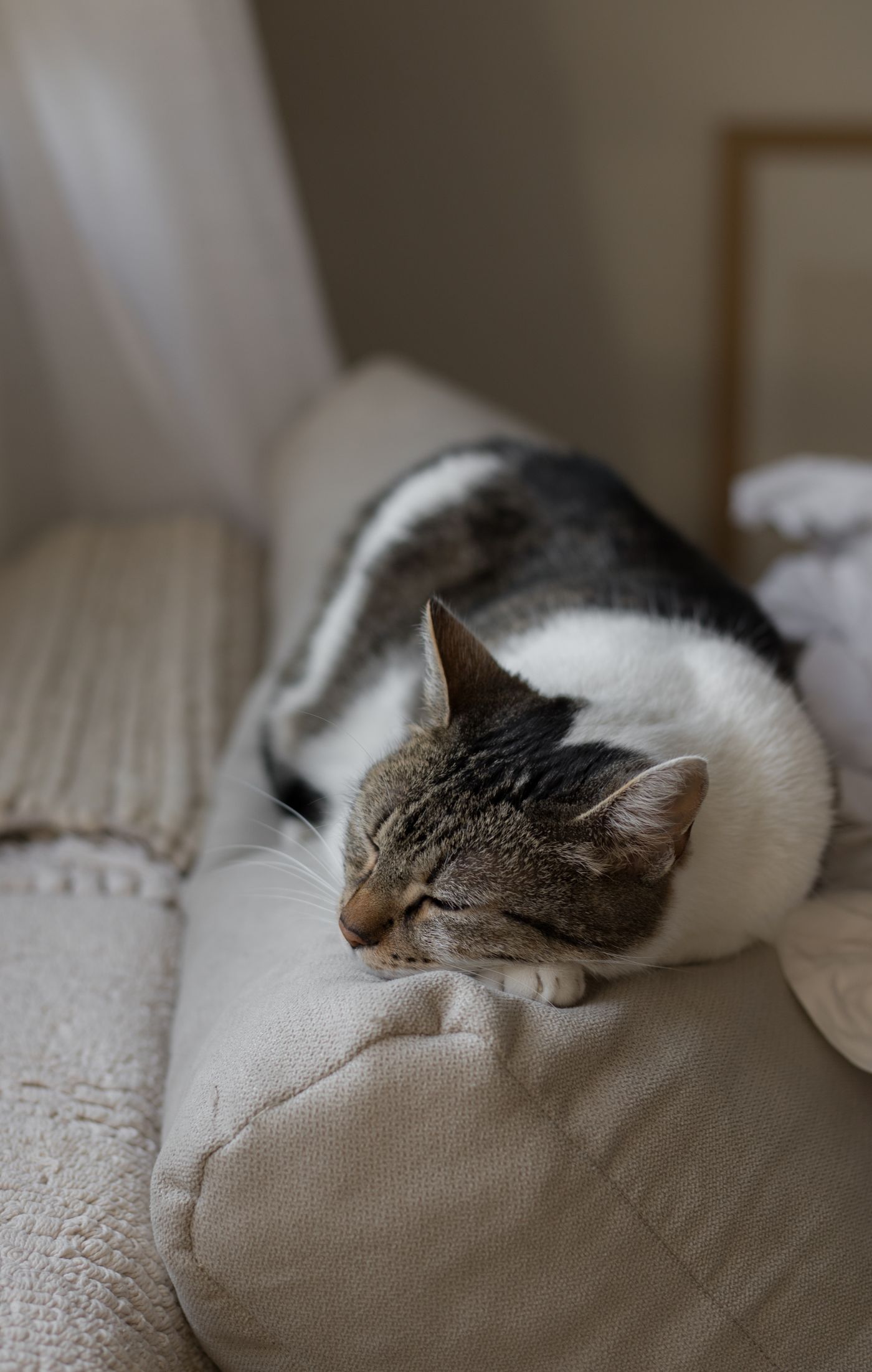
A home can feel crowded even when it looks tidy.

Comfort begins before the front door opens.

Indoor interest comes from variety and choice.
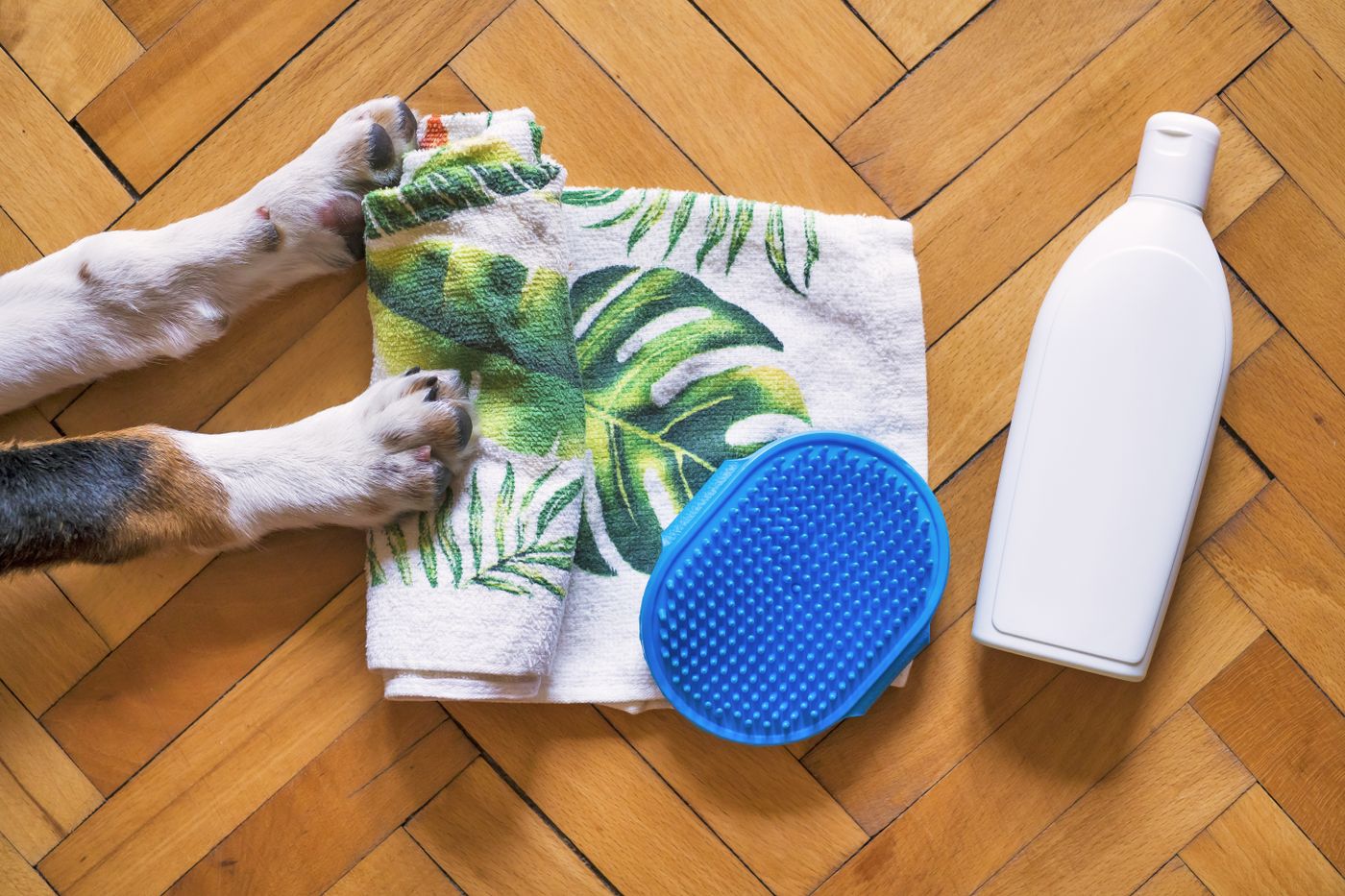
A short, useful shopping list beats a cupboard of unused equipment.
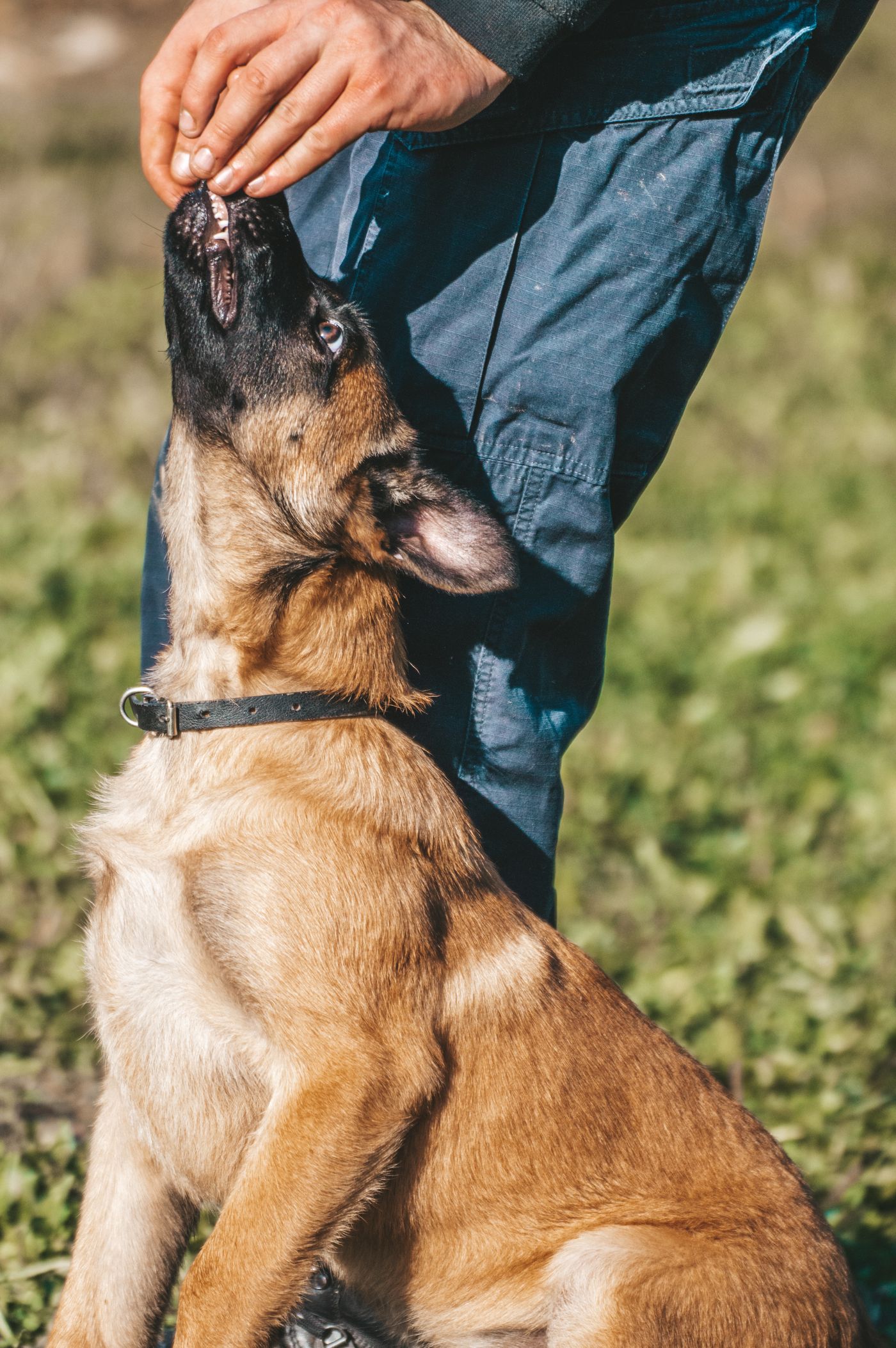
Returning on cue must compete with plenty of interesting things.

A new fountain is only one part of the setup.

The useful question about a covered or open litter box is how it works for your cat.
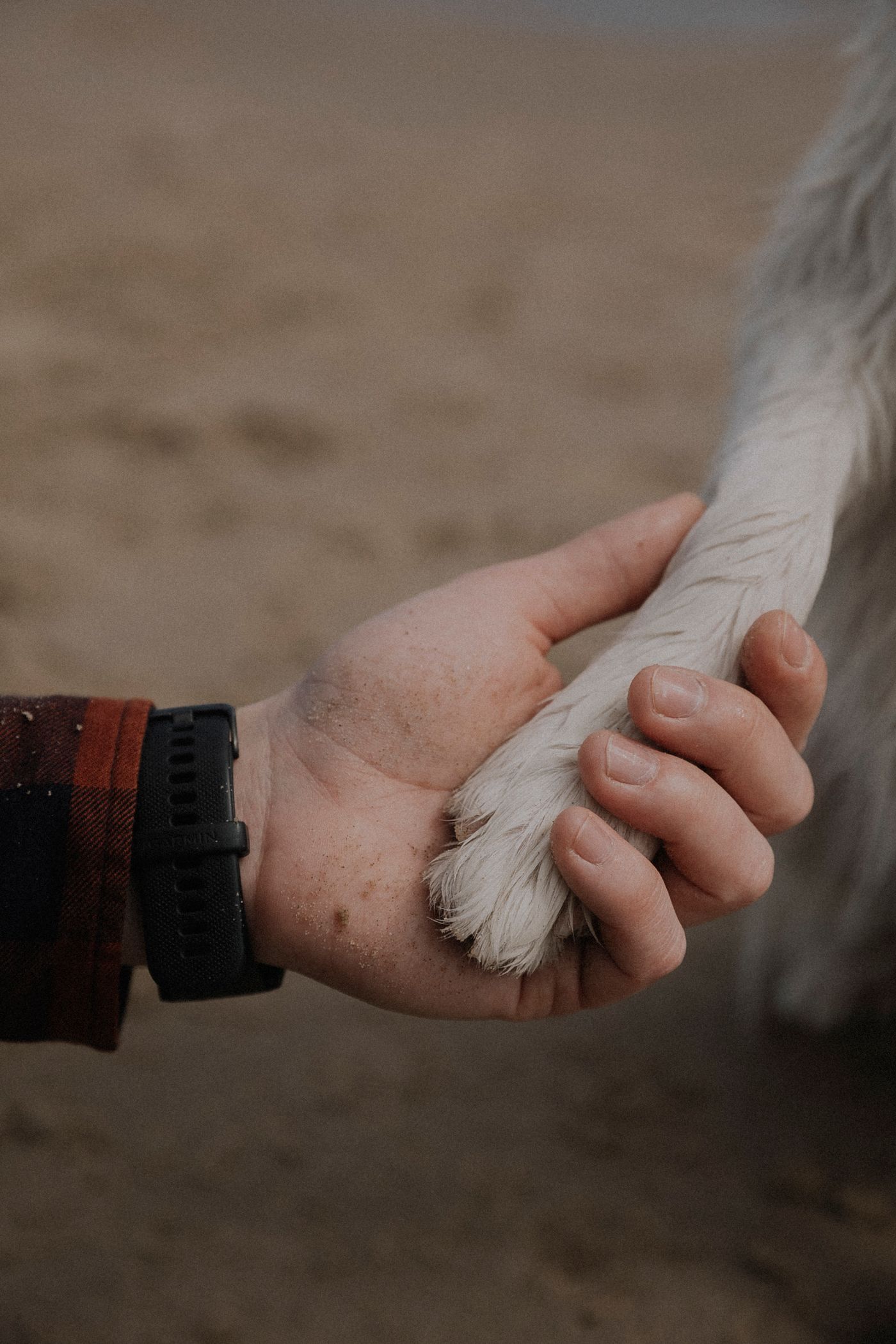
A quick note can help explain a repeated behaviour.
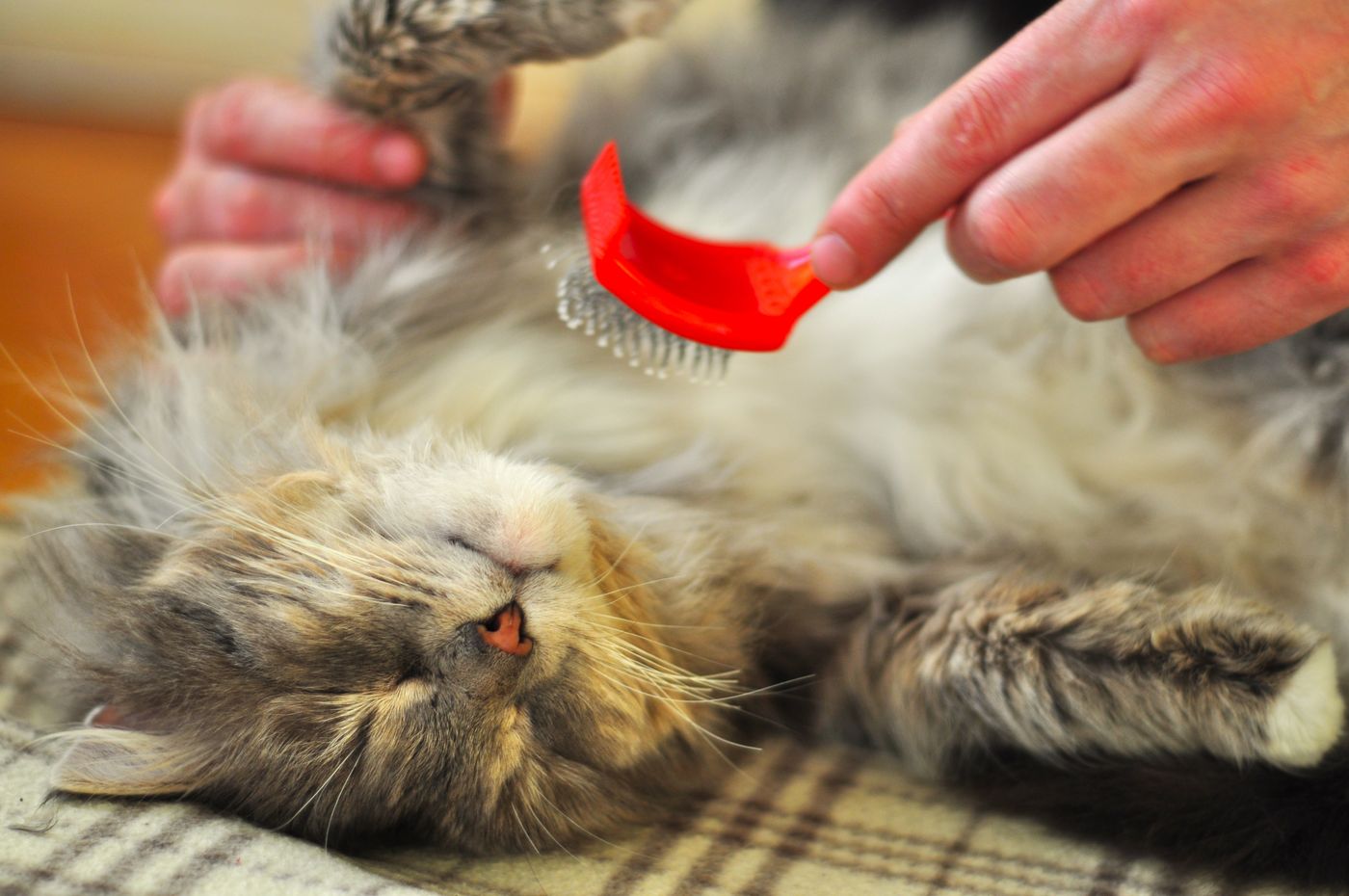
Coat care works better when your cat can take a break.

A quieter setting makes a difficult skill easier to learn.
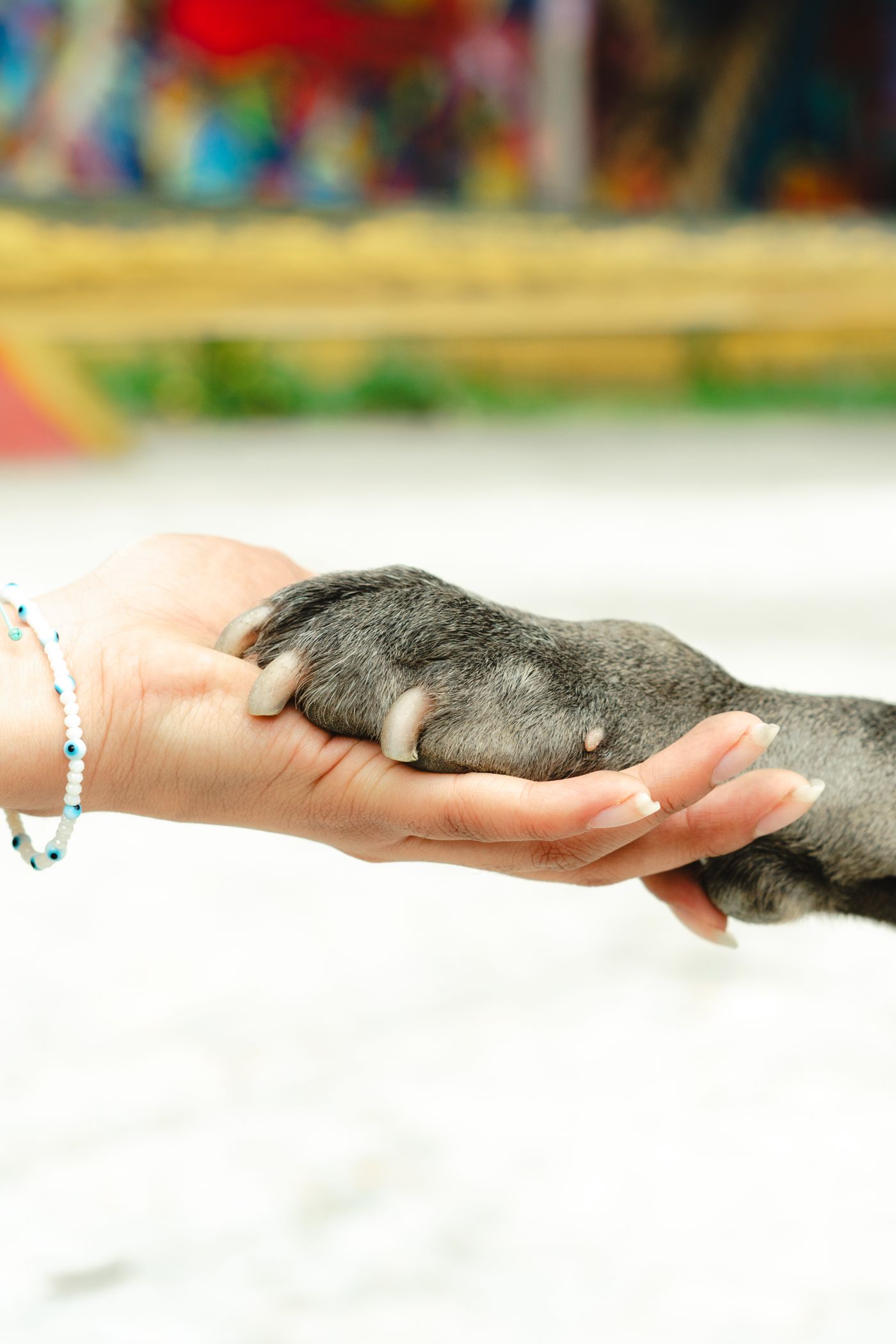
A gesture that feels affectionate to a person may be uncomfortable for a dog.

The most useful training foundations connect a clear action with a real daily situation.
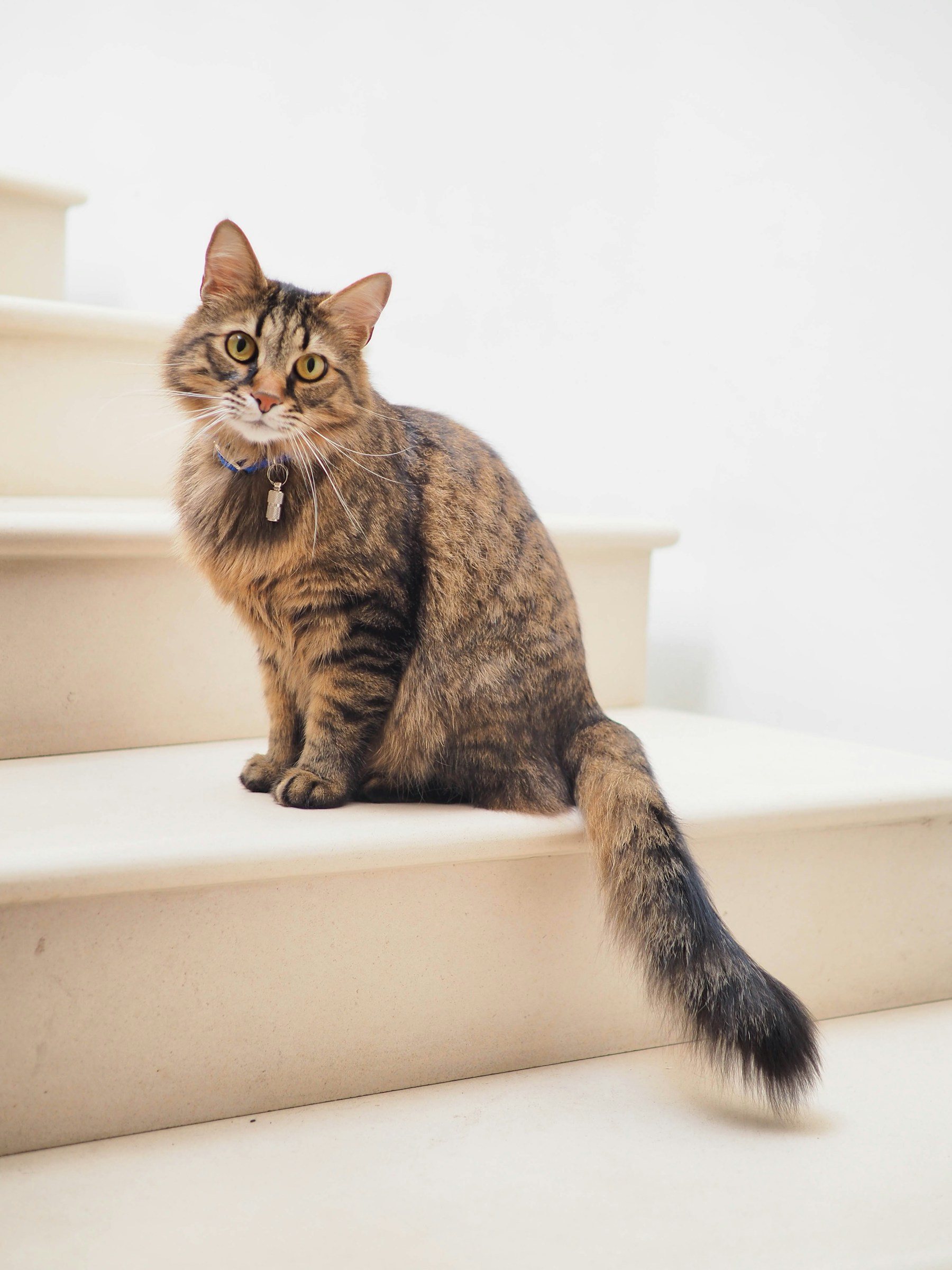
The right setup changes with size, movement and confidence.
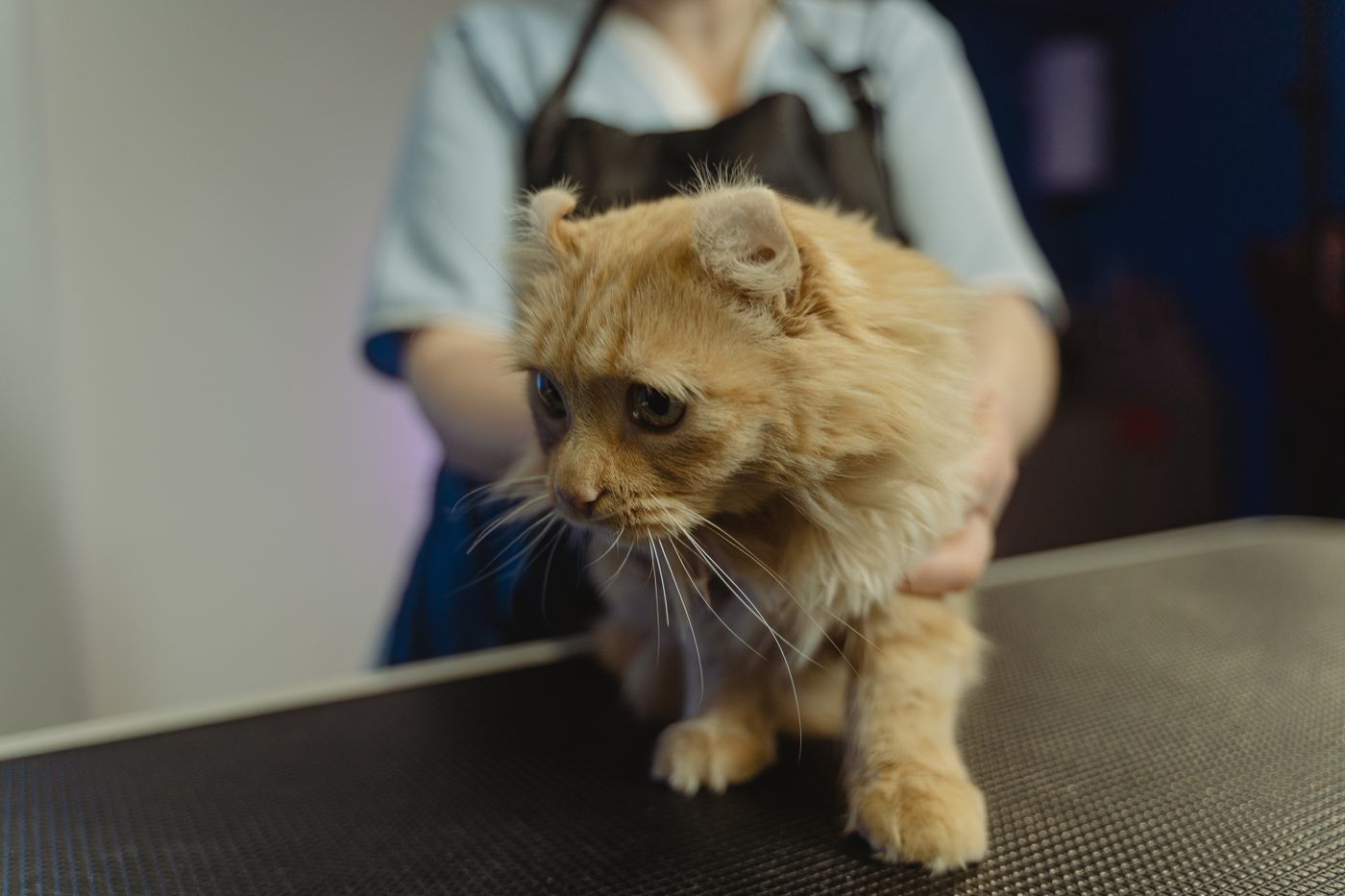
An accident deserves attention rather than punishment.

Age is one detail in a feeding decision.

Mealtime equipment should suit the way your dog eats.
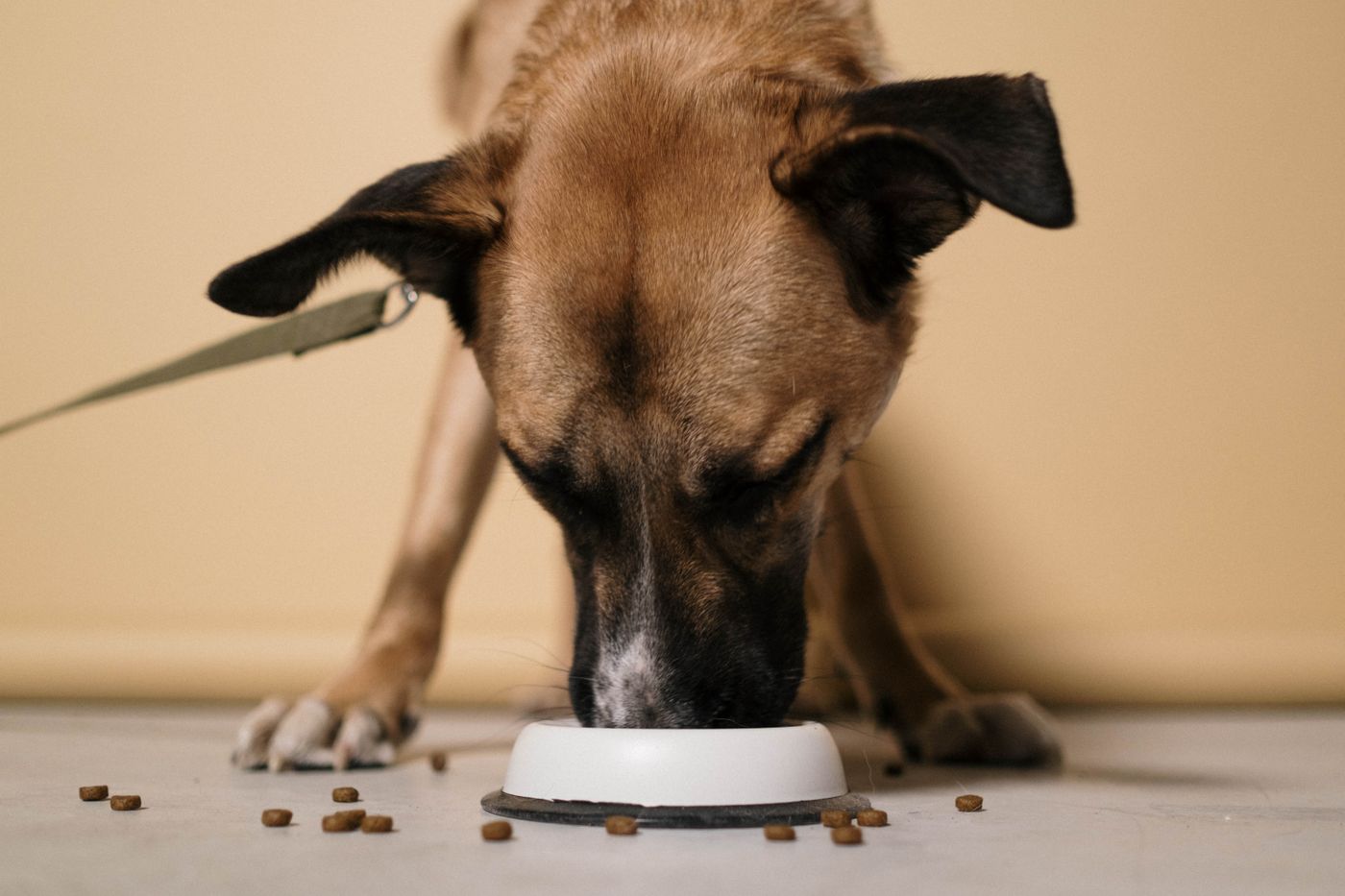
A simple food diary can make the picture clearer.

Cleaning is part of the cat's daily environment.

Body language becomes clearer when you include the setting.
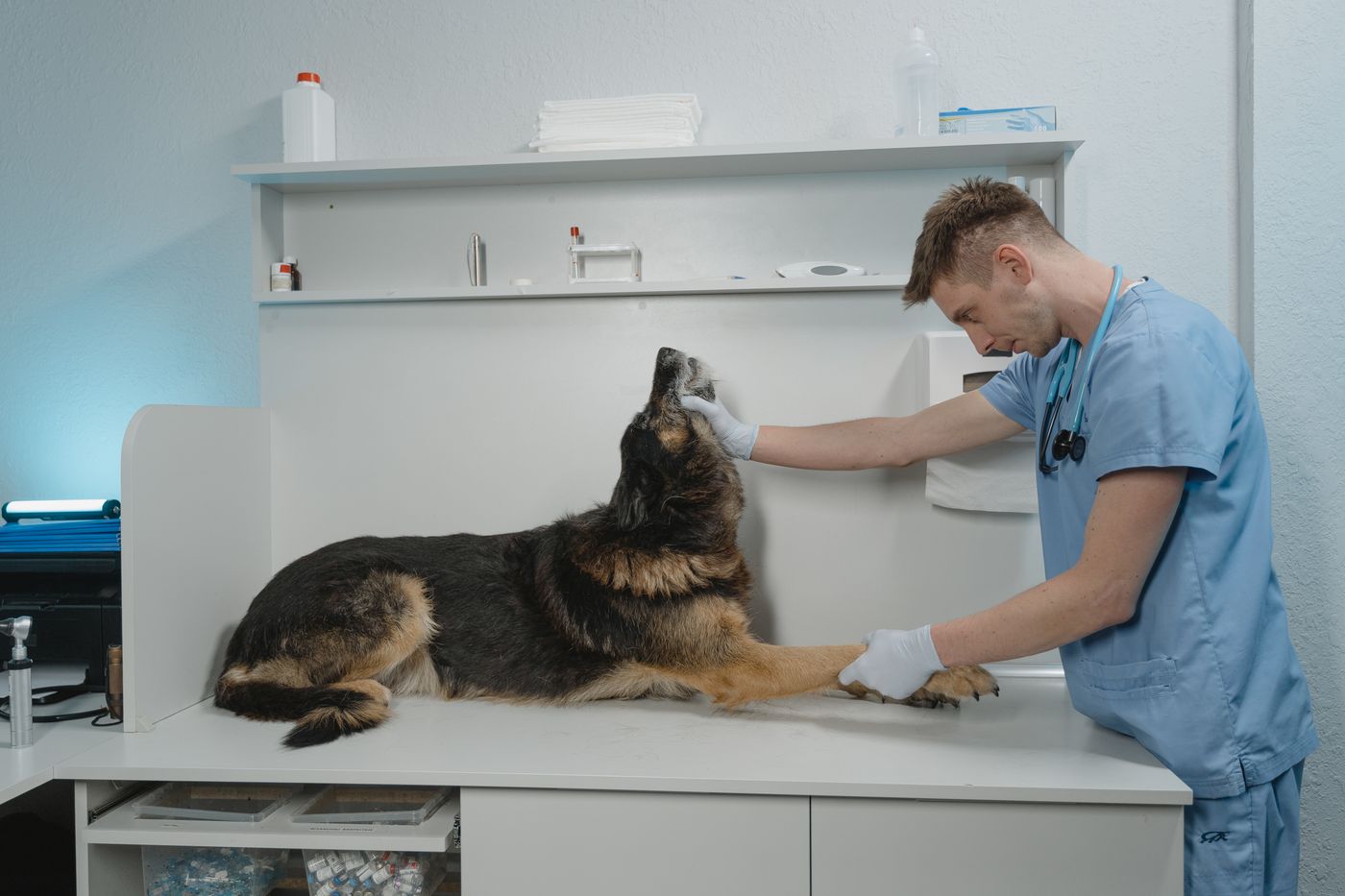
A recurring reminder can turn an intention into a practical habit.
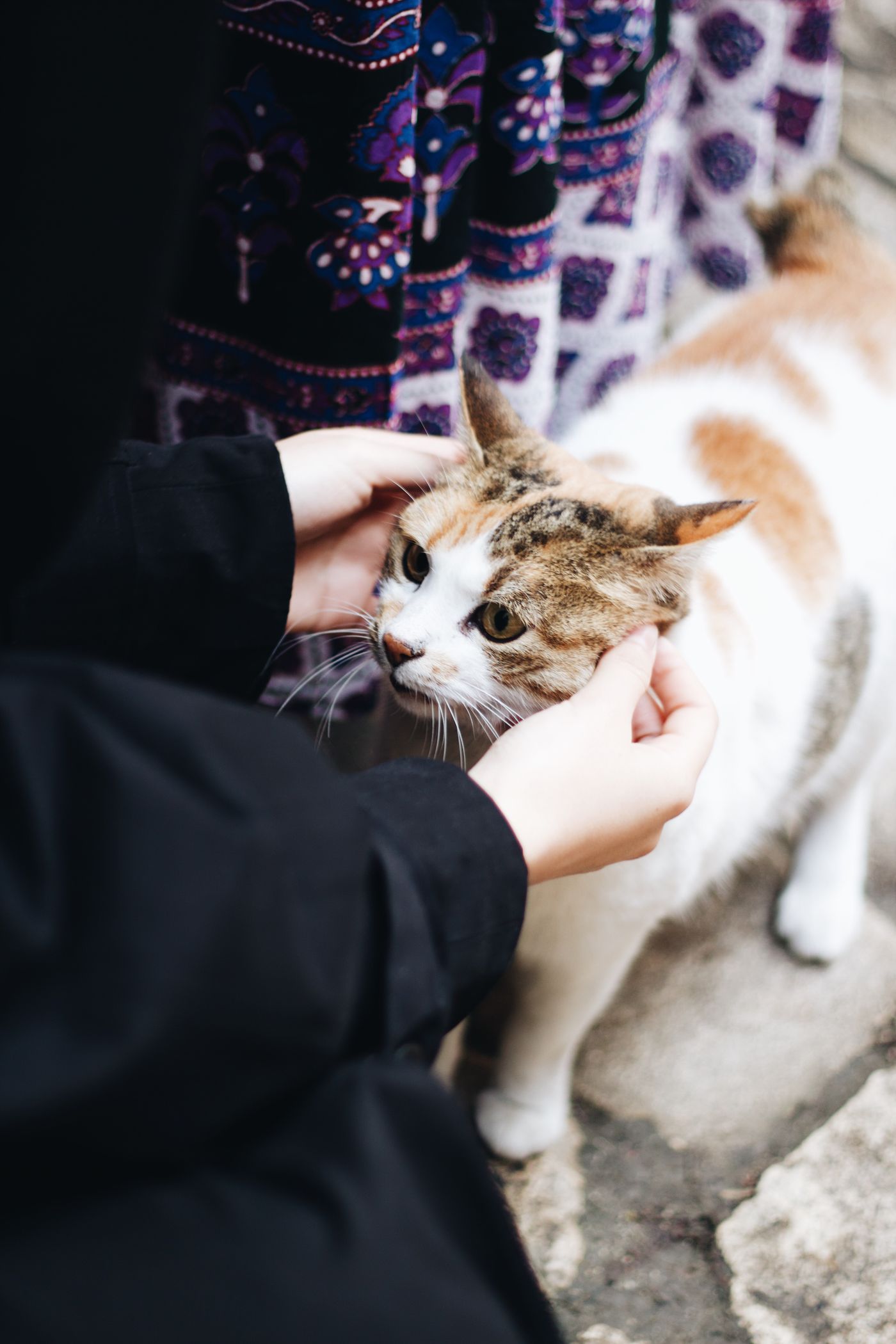
Cats share company in different ways, from following a person around to resting quietly across the same room.
Consent can be a small pause in an everyday interaction.

A familiar arrival routine can make greetings less hectic.

A label matters less than how the tool moves through your cat's fur.
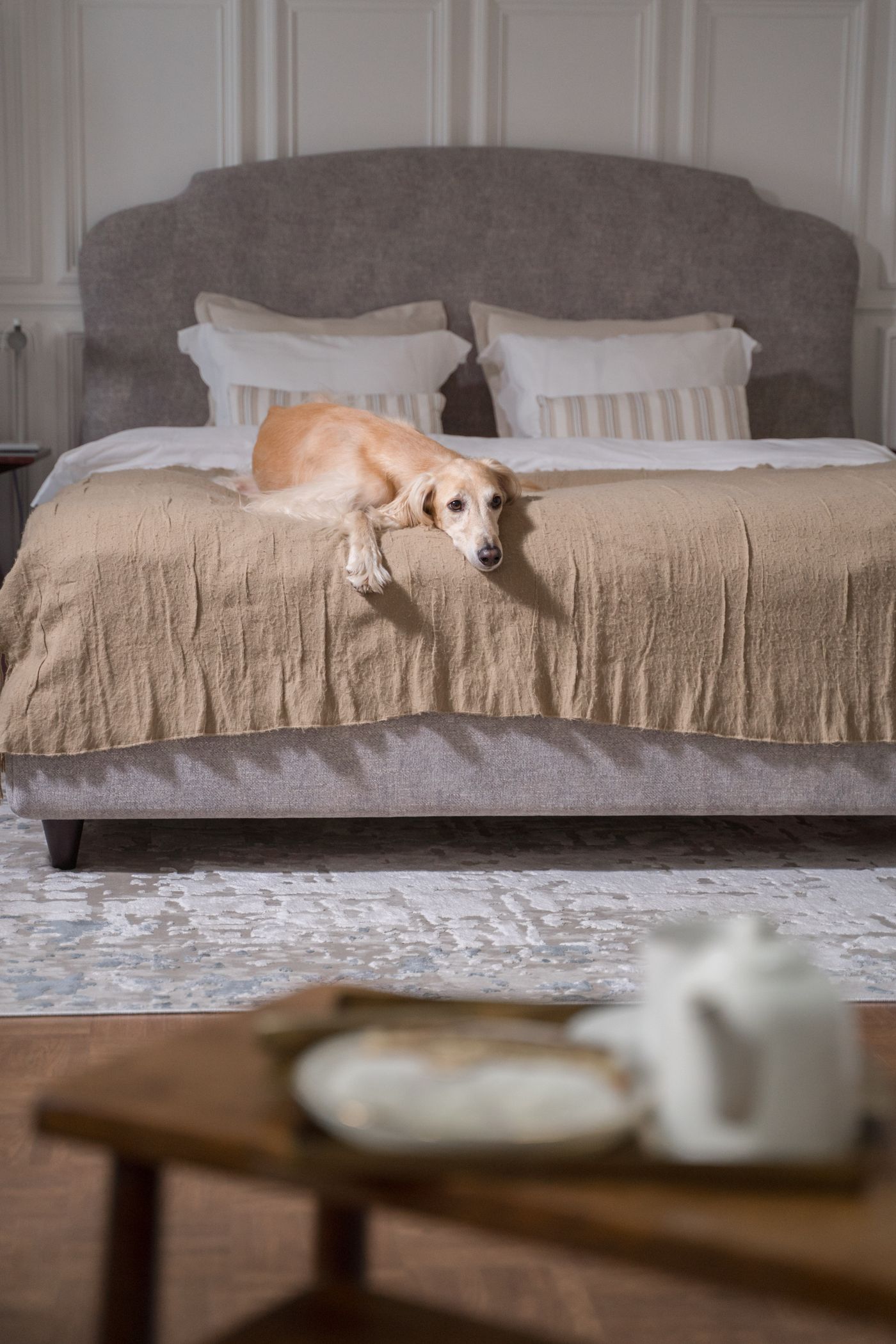
The outside of a cushion can dry before the filling.

Nighttime activity often needs a household routine to match.
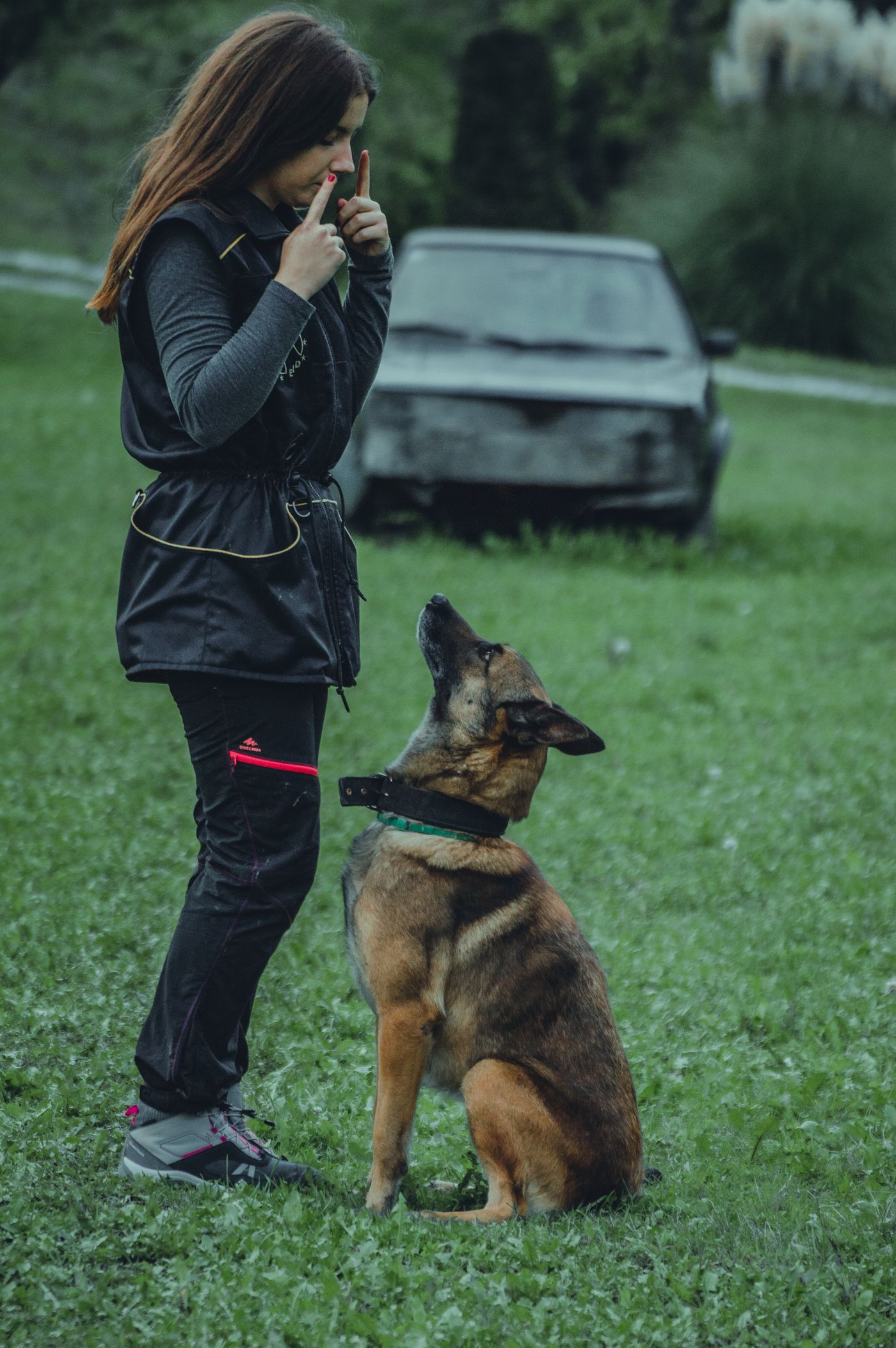
The first days are a time to build safety and predictability.

A preventive-care conversation works best with the right background.
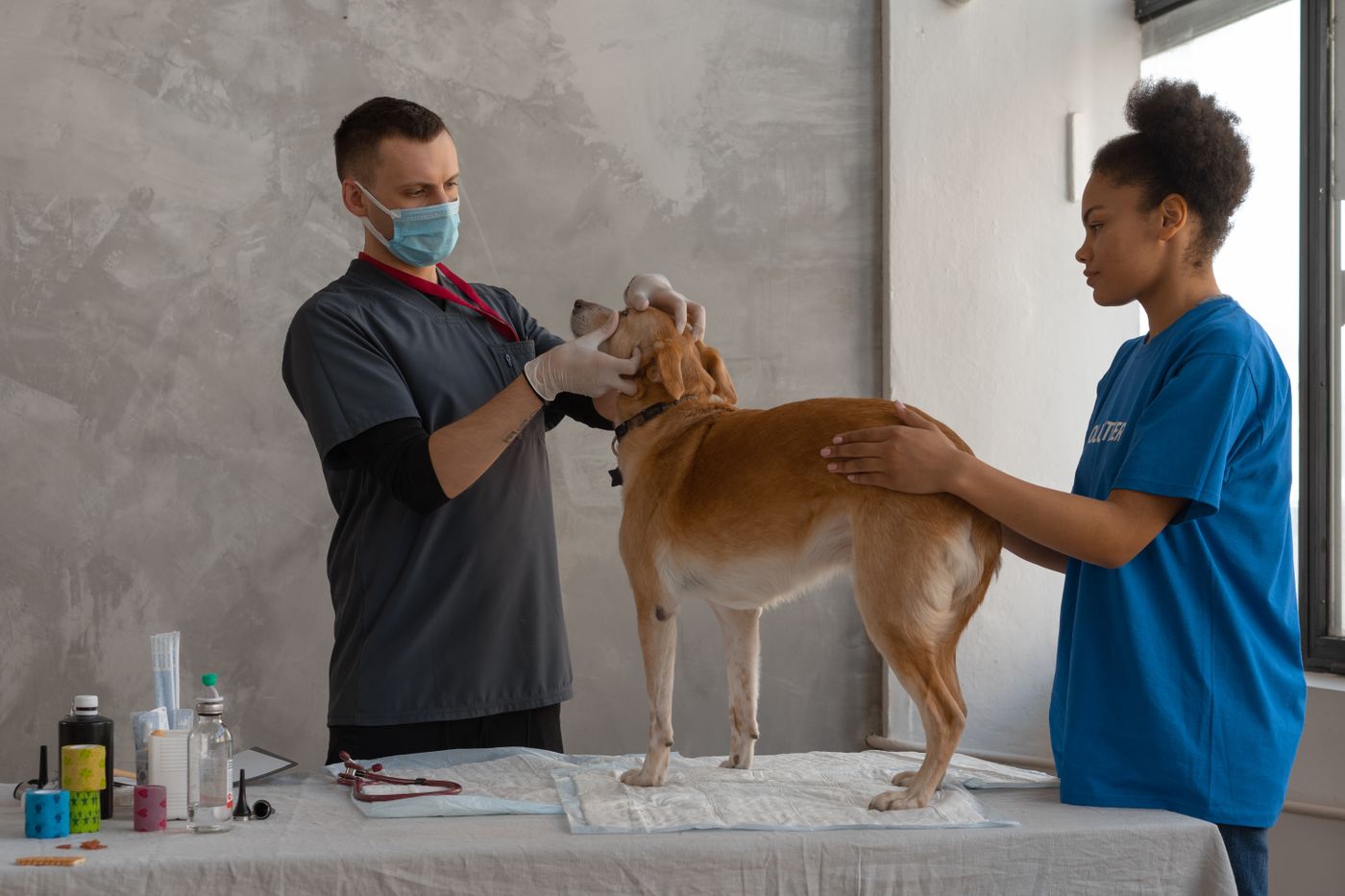
Comfort often improves through modest changes at home.

Water conditions need attention before the first fish arrives.

The front of the pack is only the introduction.
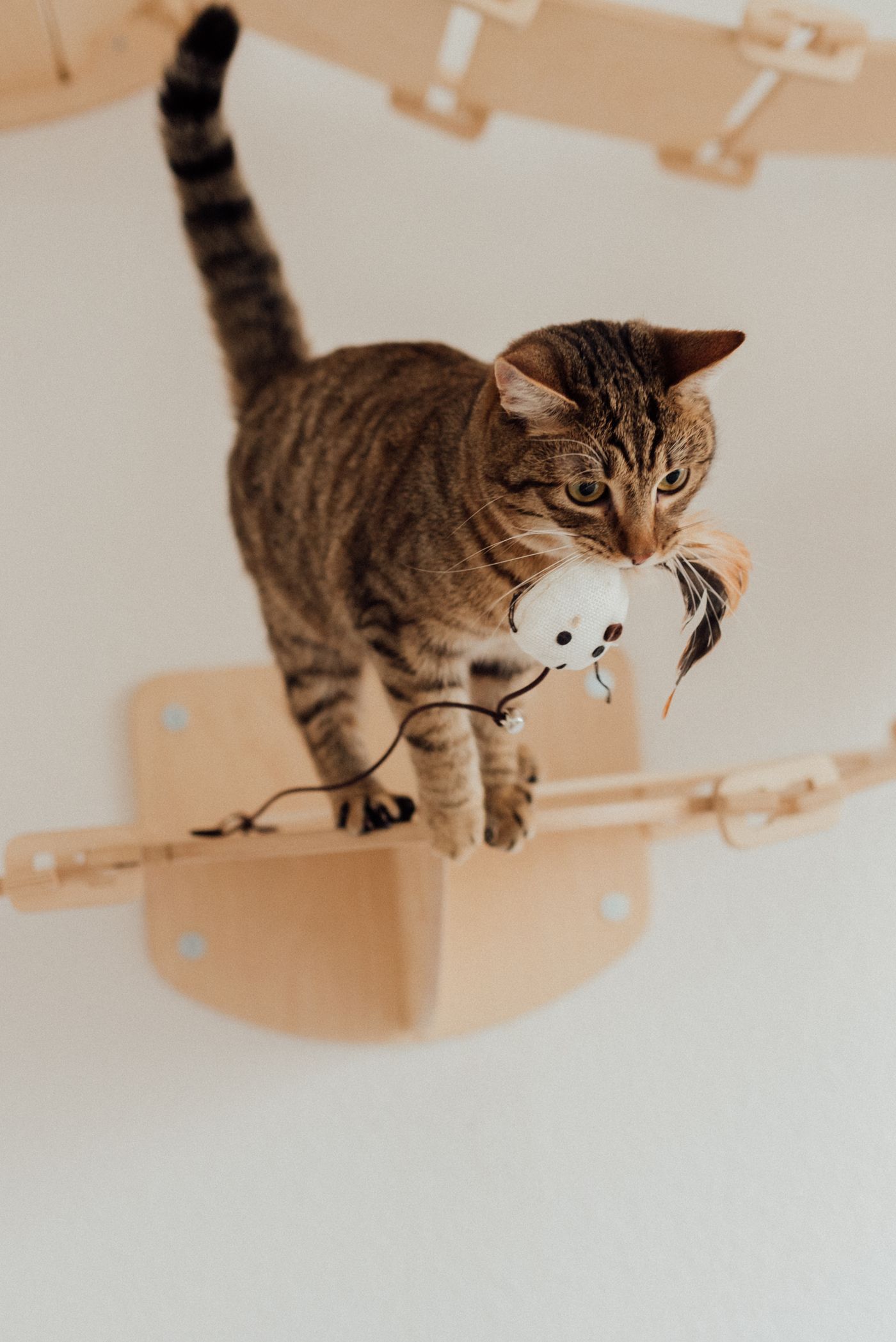
An unused post may be in the wrong place for the job.
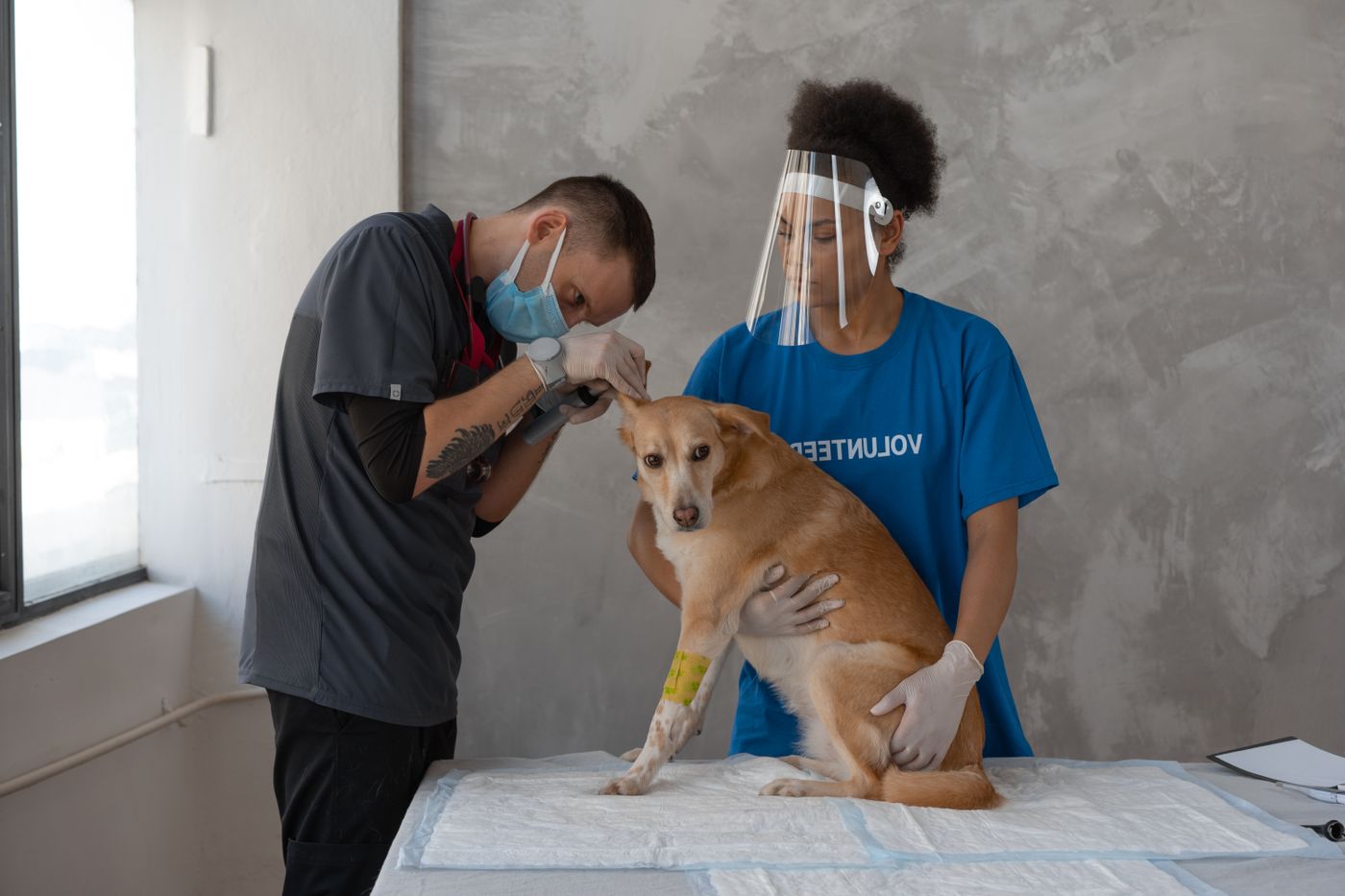
First aid is a bridge to veterinary care, not a replacement for an examination or treatment.

Dogs and cats do not all need the same appointment conversation.
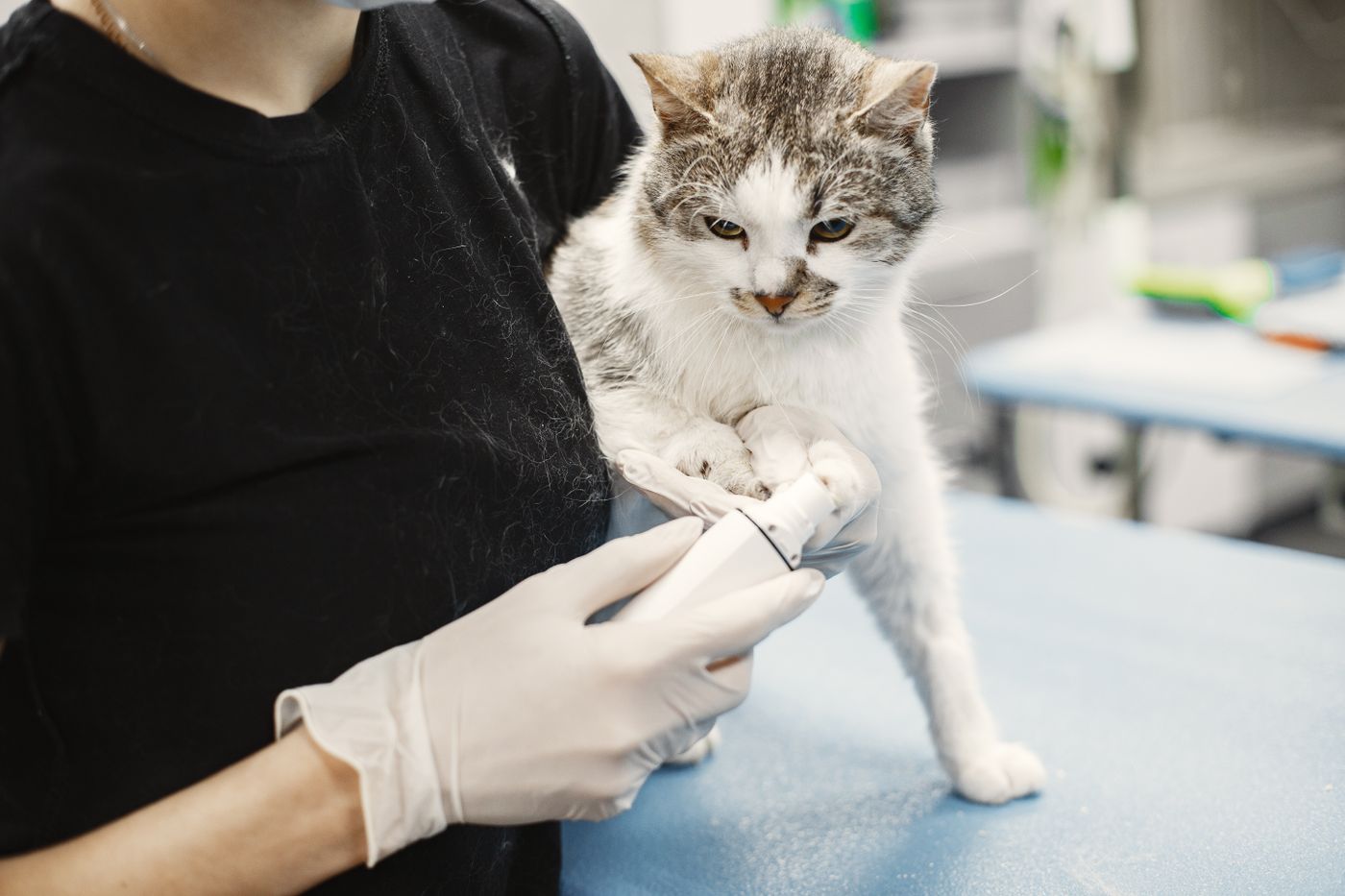
A record of behaviour helps make small changes easier to explain.

The first things you need should be the easiest to reach.
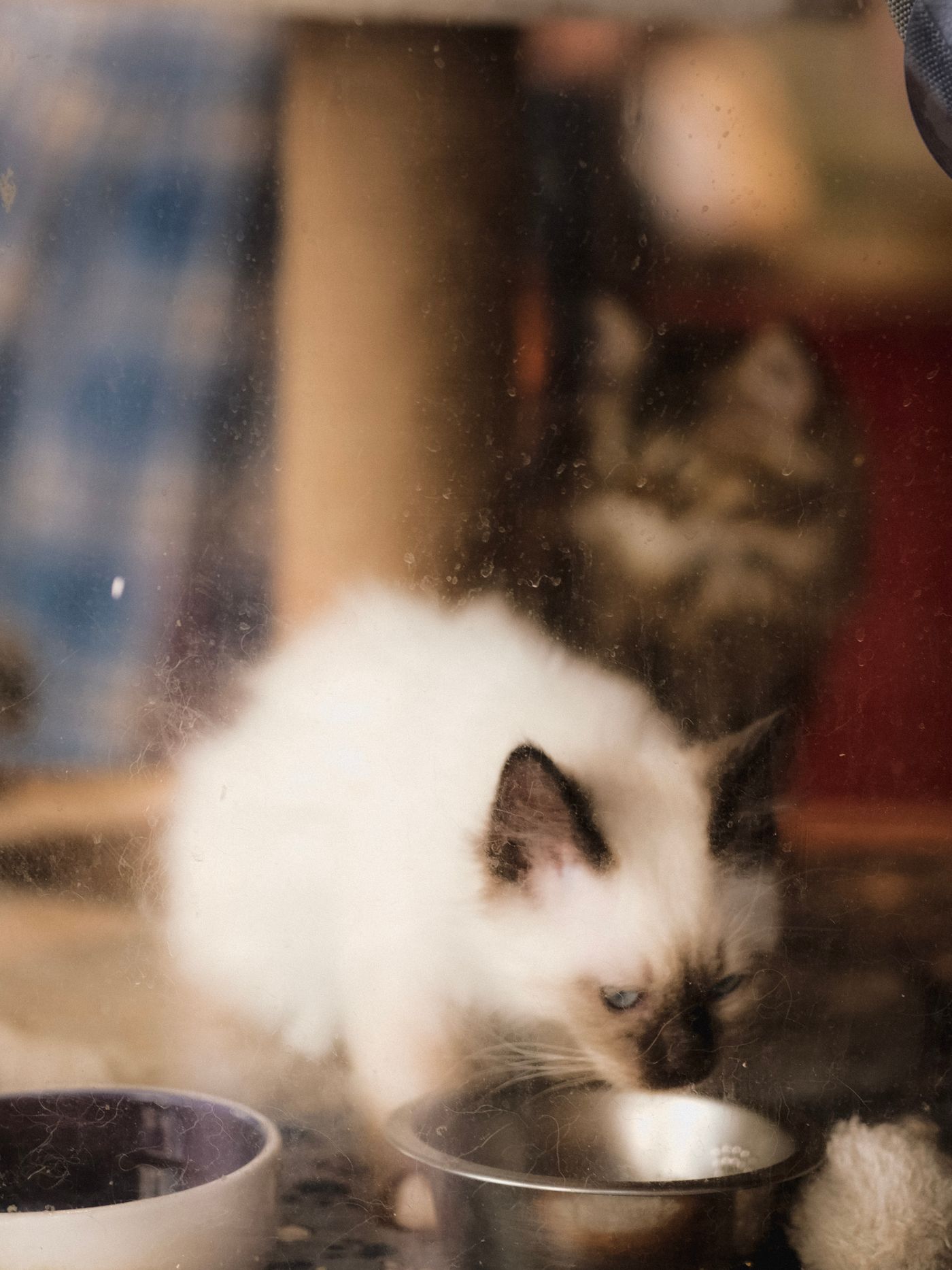
A feeding plan should meet needs rather than collect ingredients.

Settling begins with a comfortable spot and a clear reward.
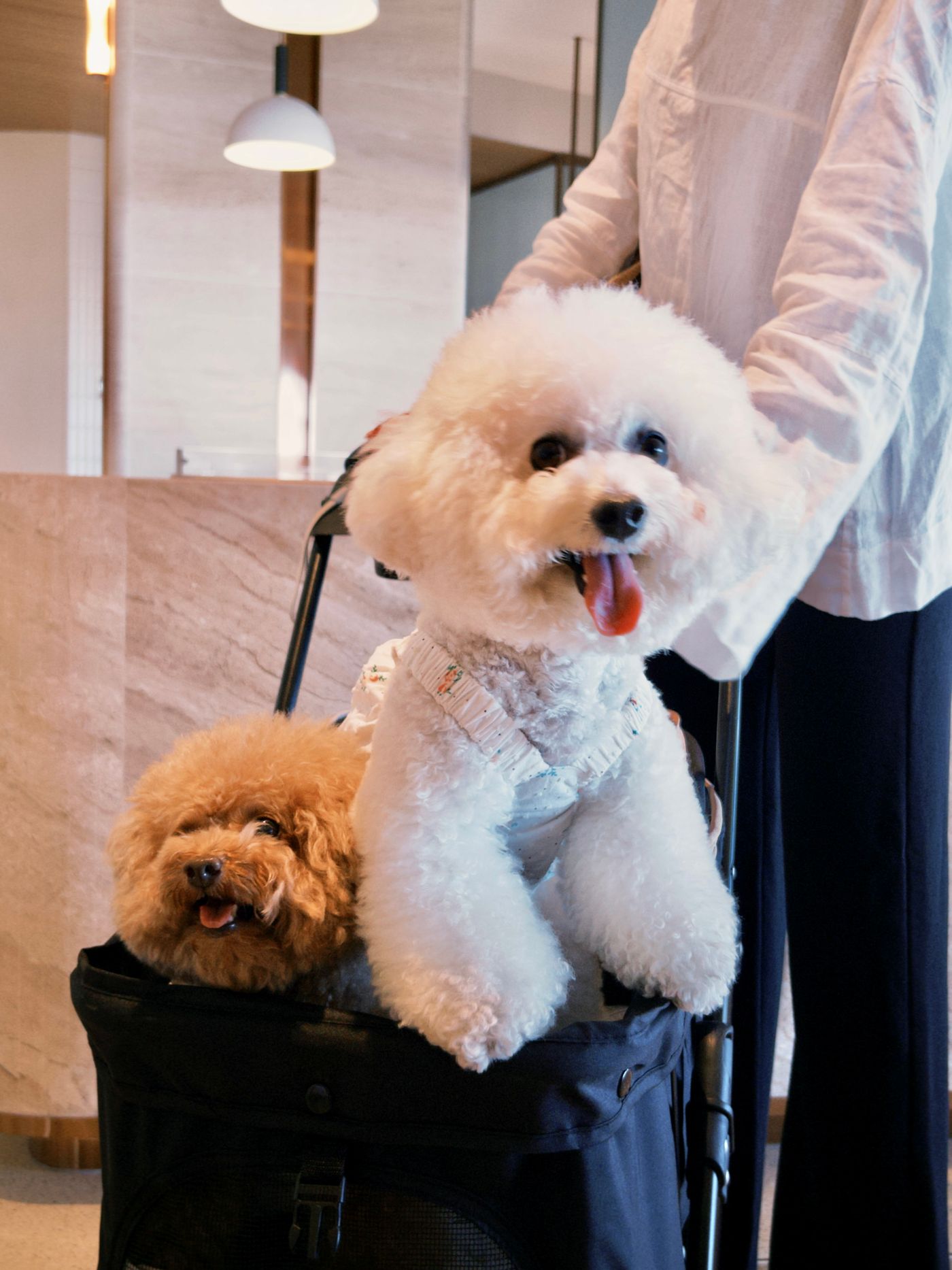
For a Bichon Frise or another small dog, fitting inside a carrier is only the first consideration.

A newly arrived dog needs guidance they can understand.
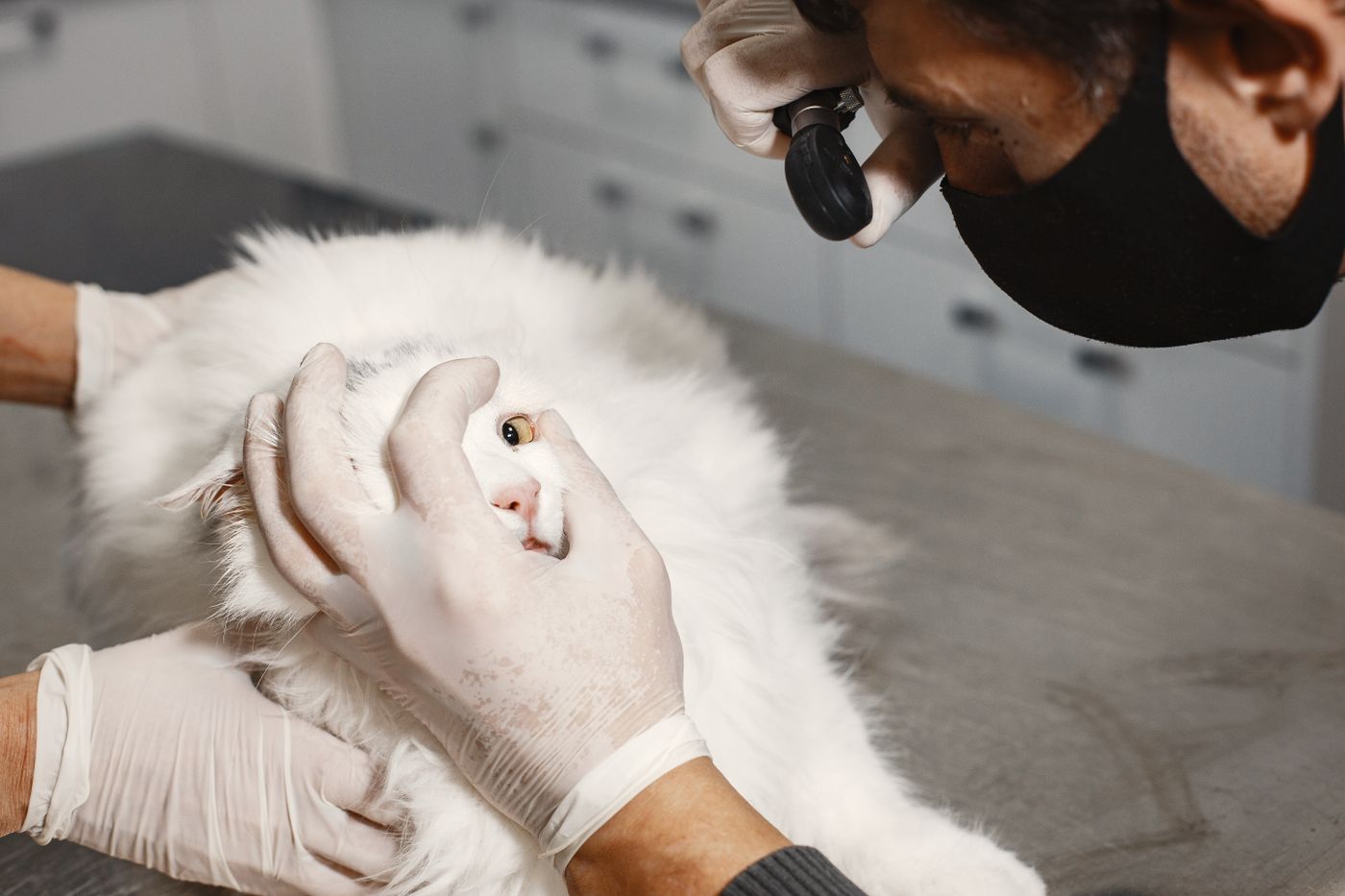
Changes around the face deserve a gentle approach.

Chewing is a normal activity whose usefulness depends on the object and the situation.
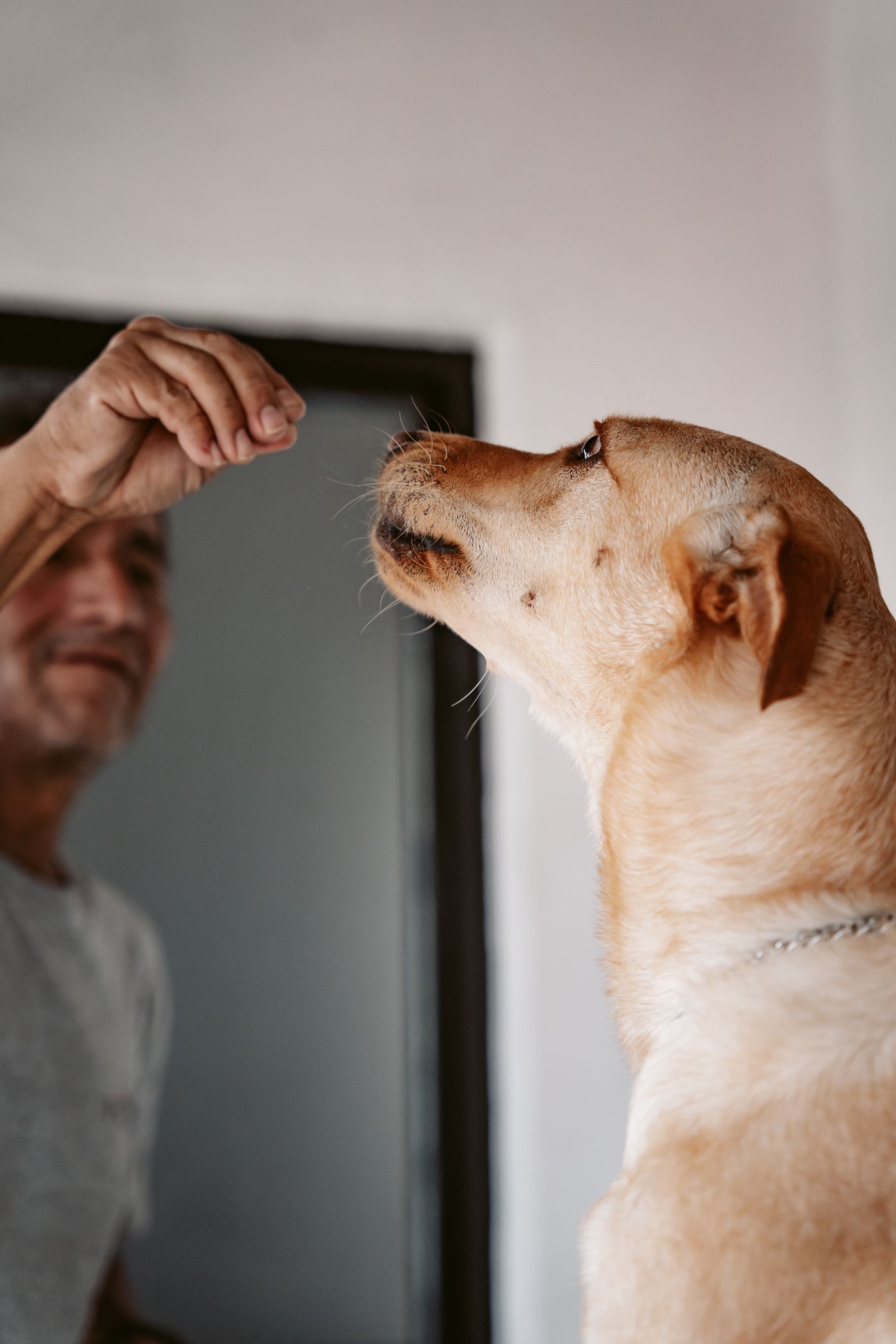
A name works better when it consistently predicts something clear.
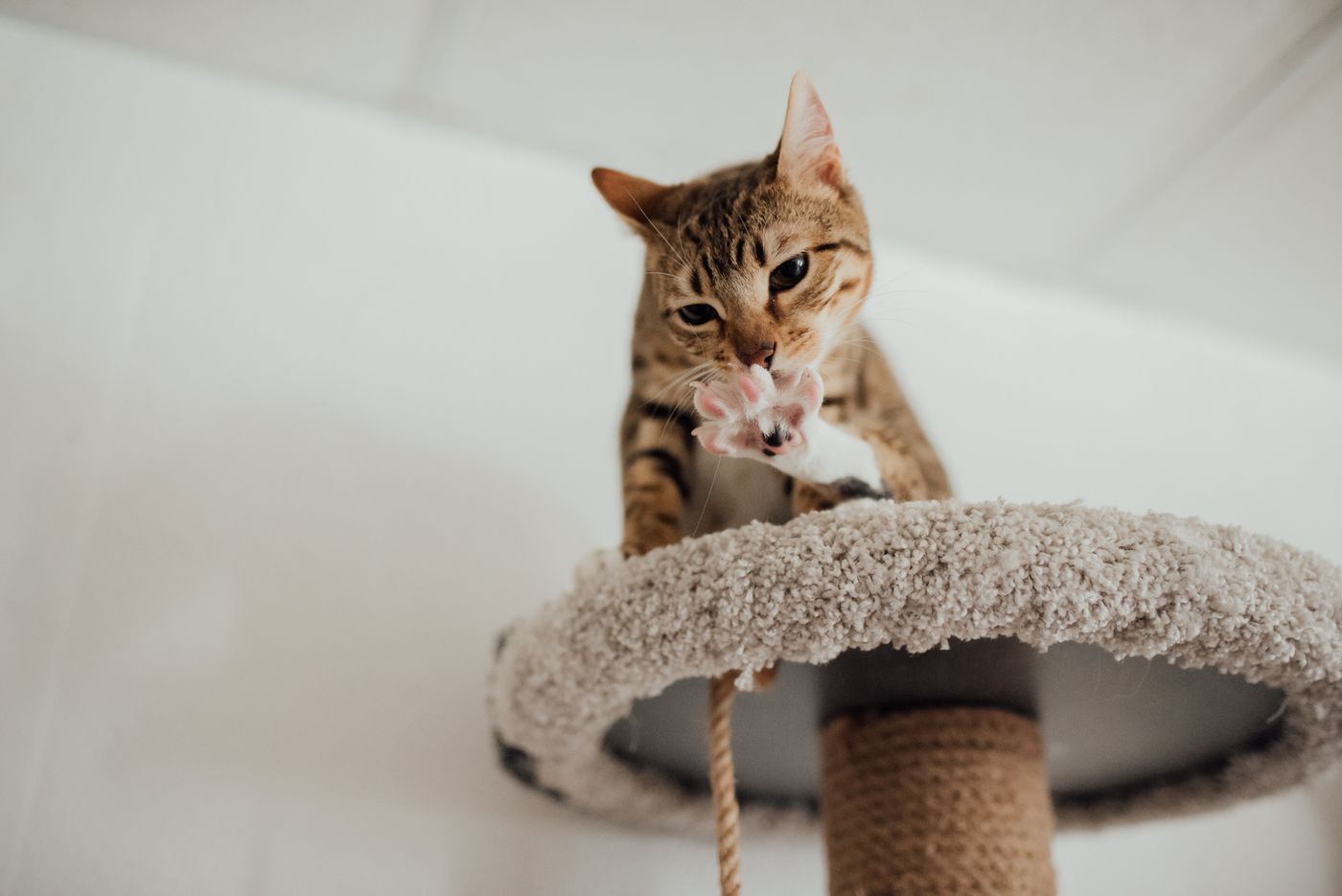
Location can matter as much as the material.

An airtight tub still needs a thoughtful routine.
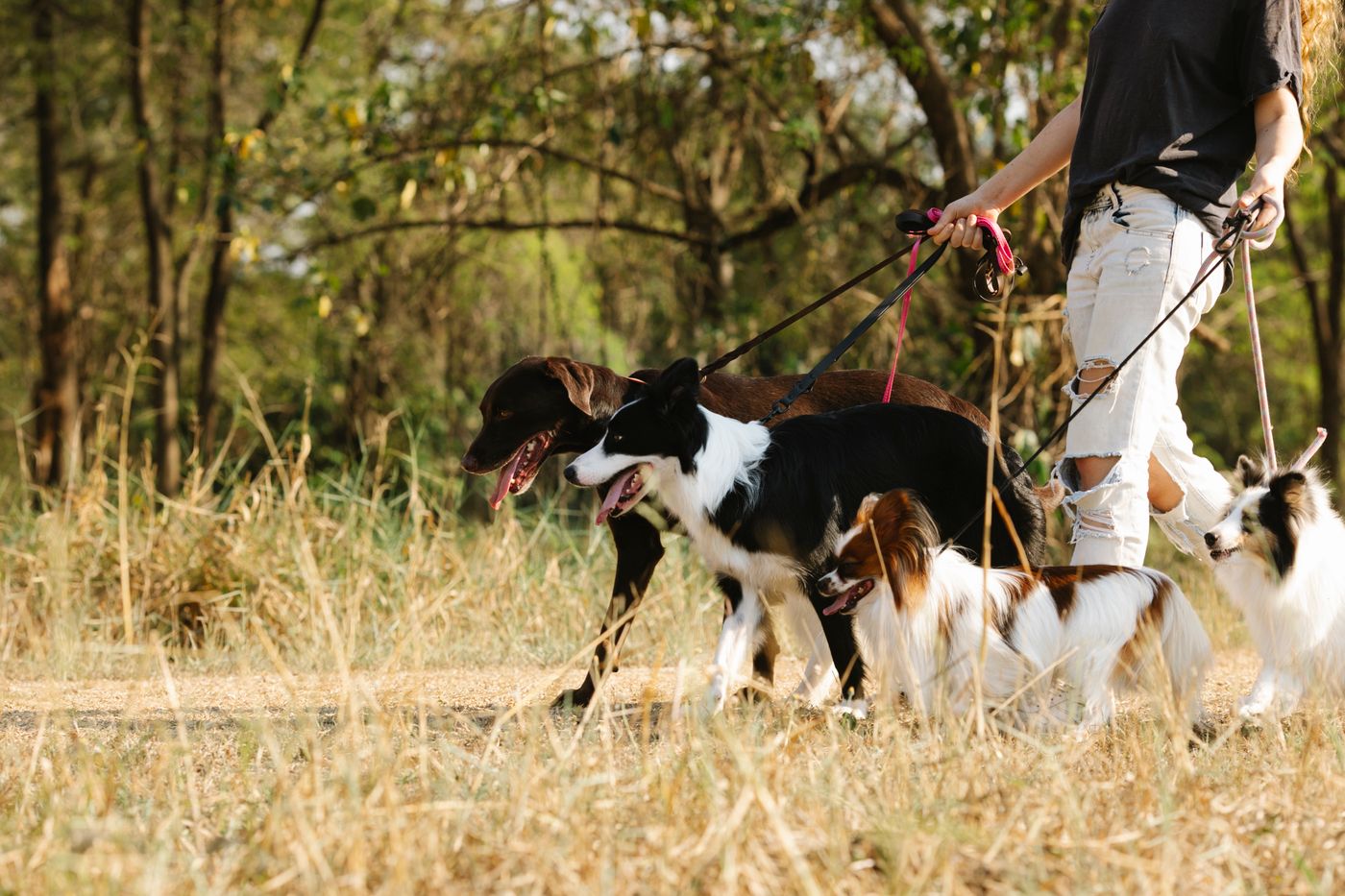
A successful outing suits confidence as well as energy.

Some cats show several small changes before an illness becomes obvious, while other problems appear suddenly.
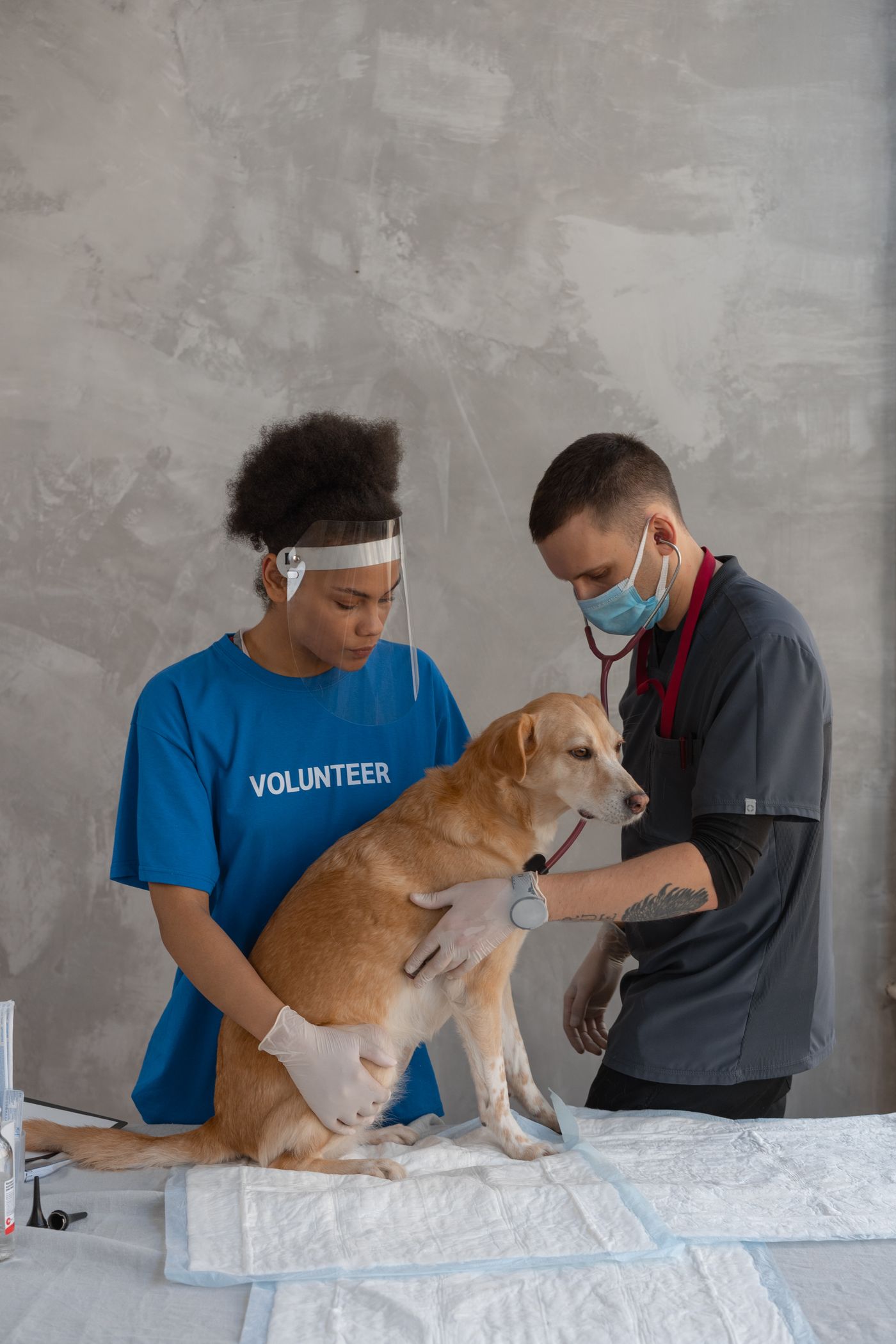
A healthy plan starts with an individual assessment.

A manageable starting area helps a kitten learn the layout.
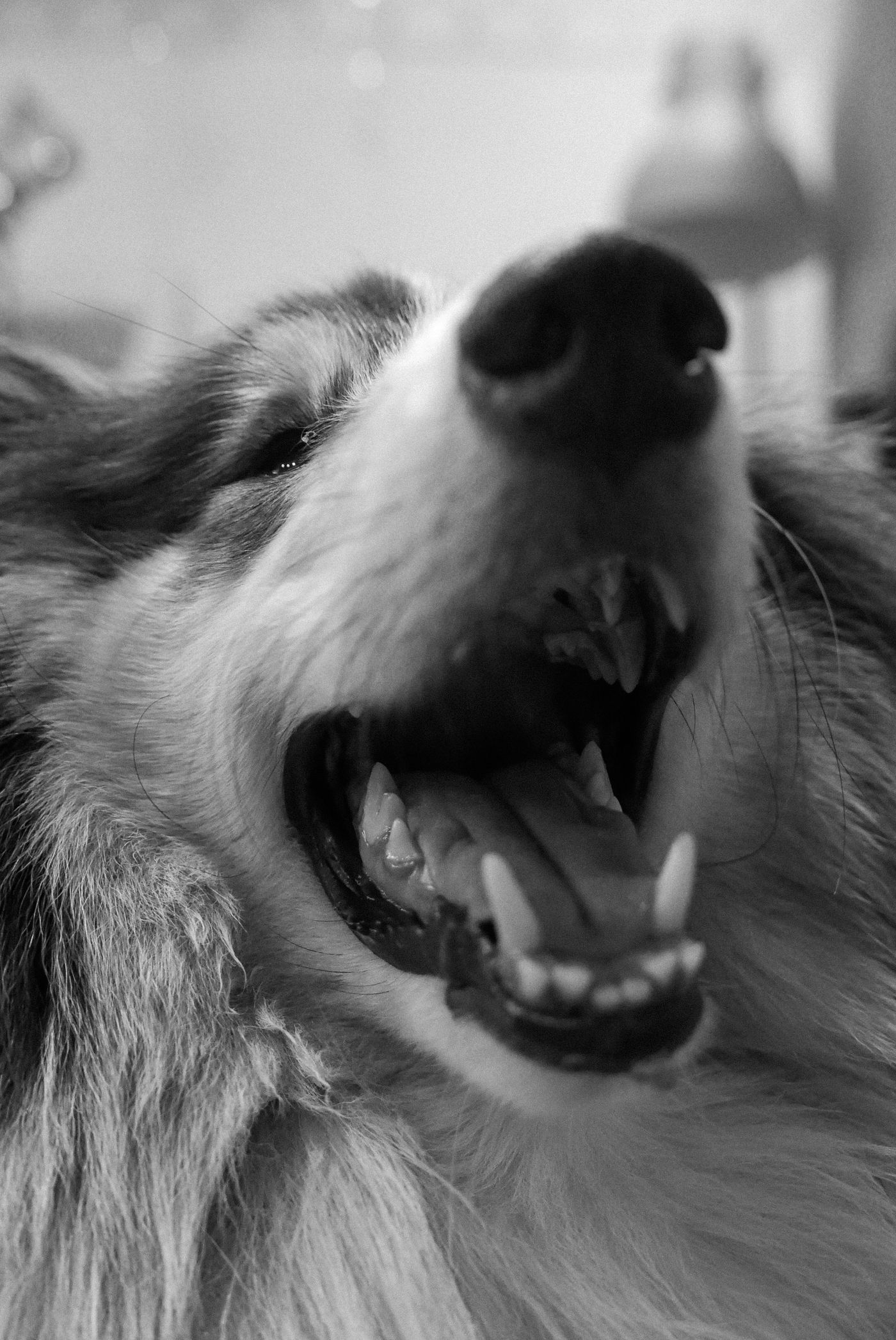
A new routine should start before the brush enters the mouth.
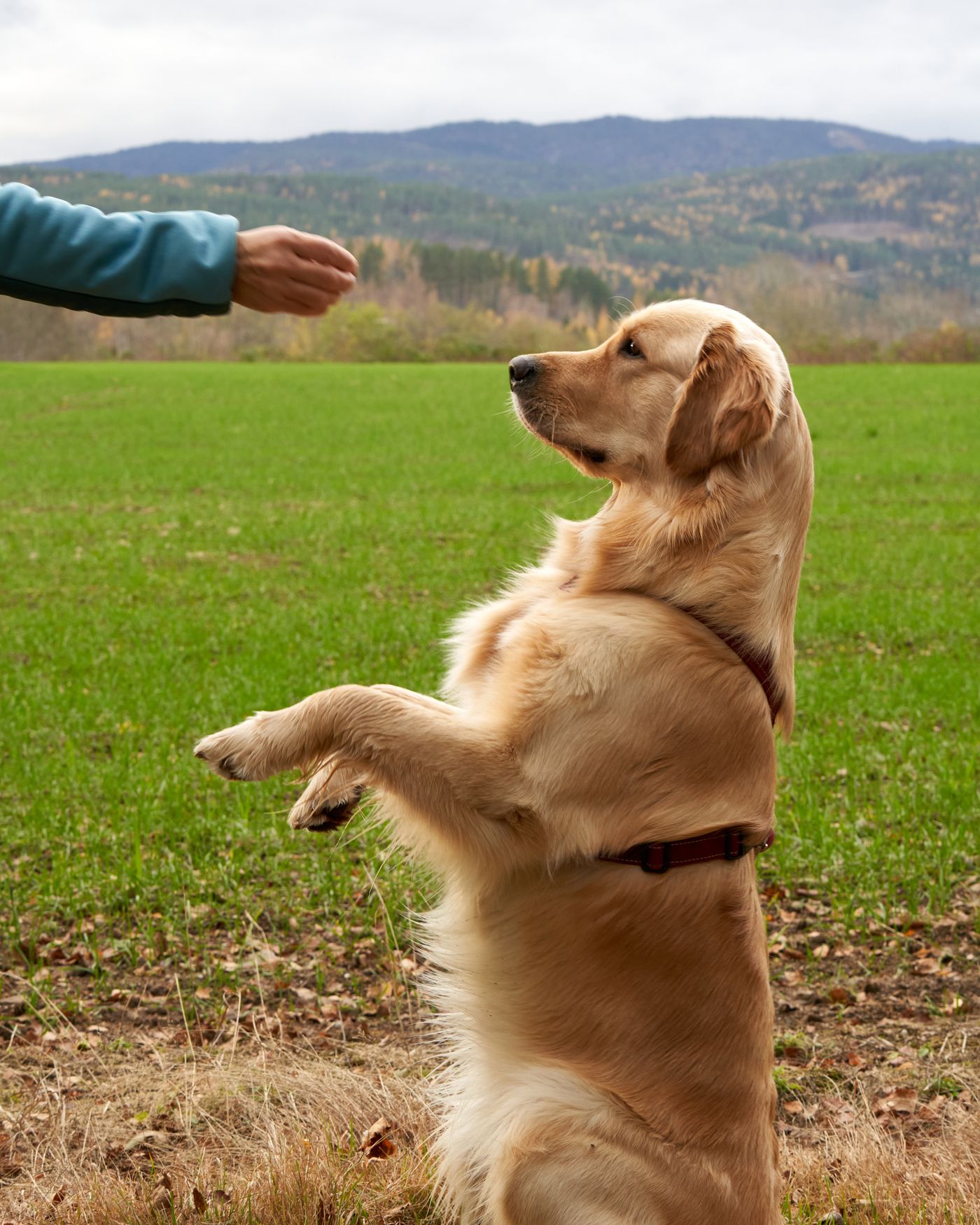
A broad training aim becomes easier when it is translated into a clear action.
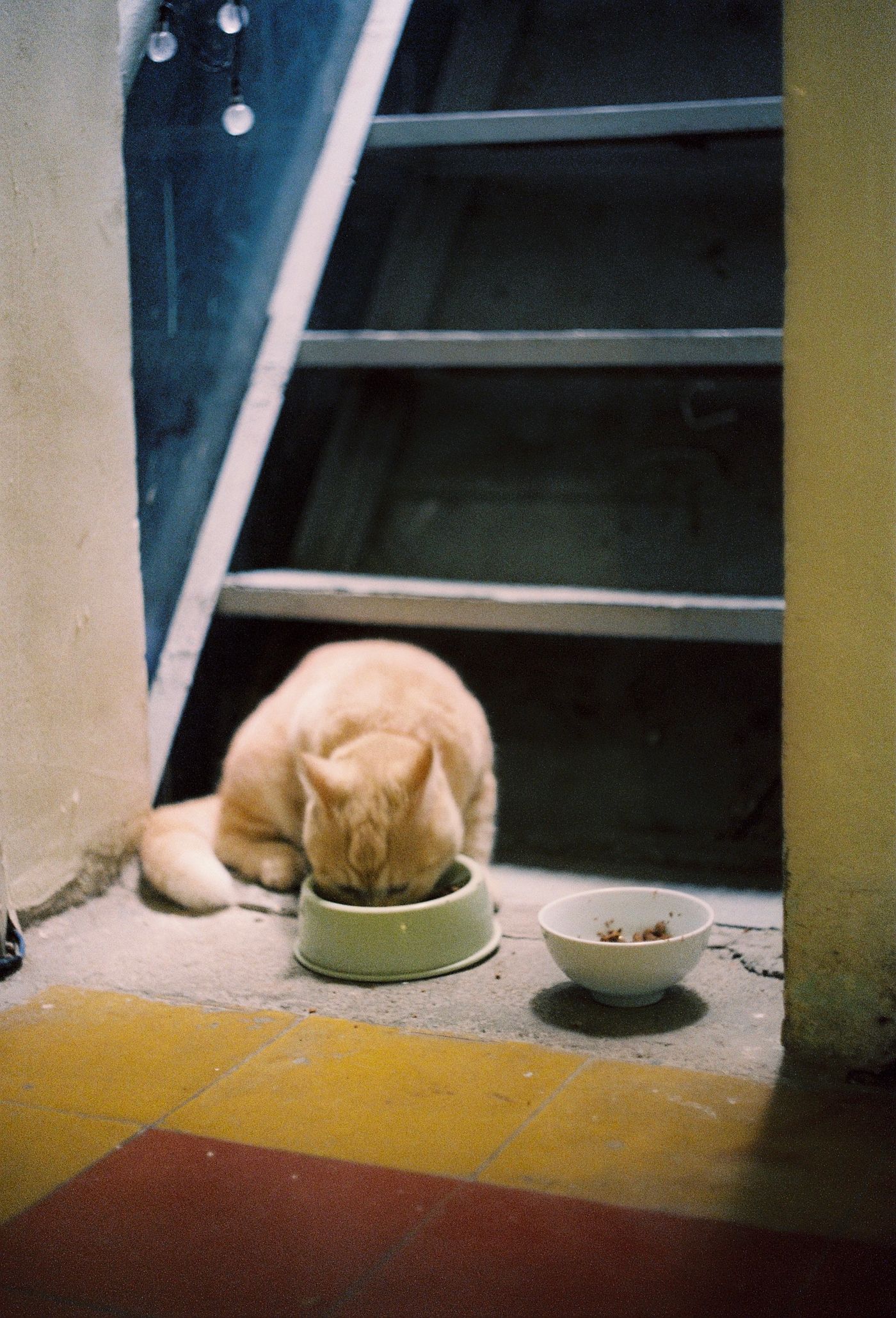
Texture and convenience belong alongside nutritional suitability.

Distress is a reason to change the plan, not punish the dog.
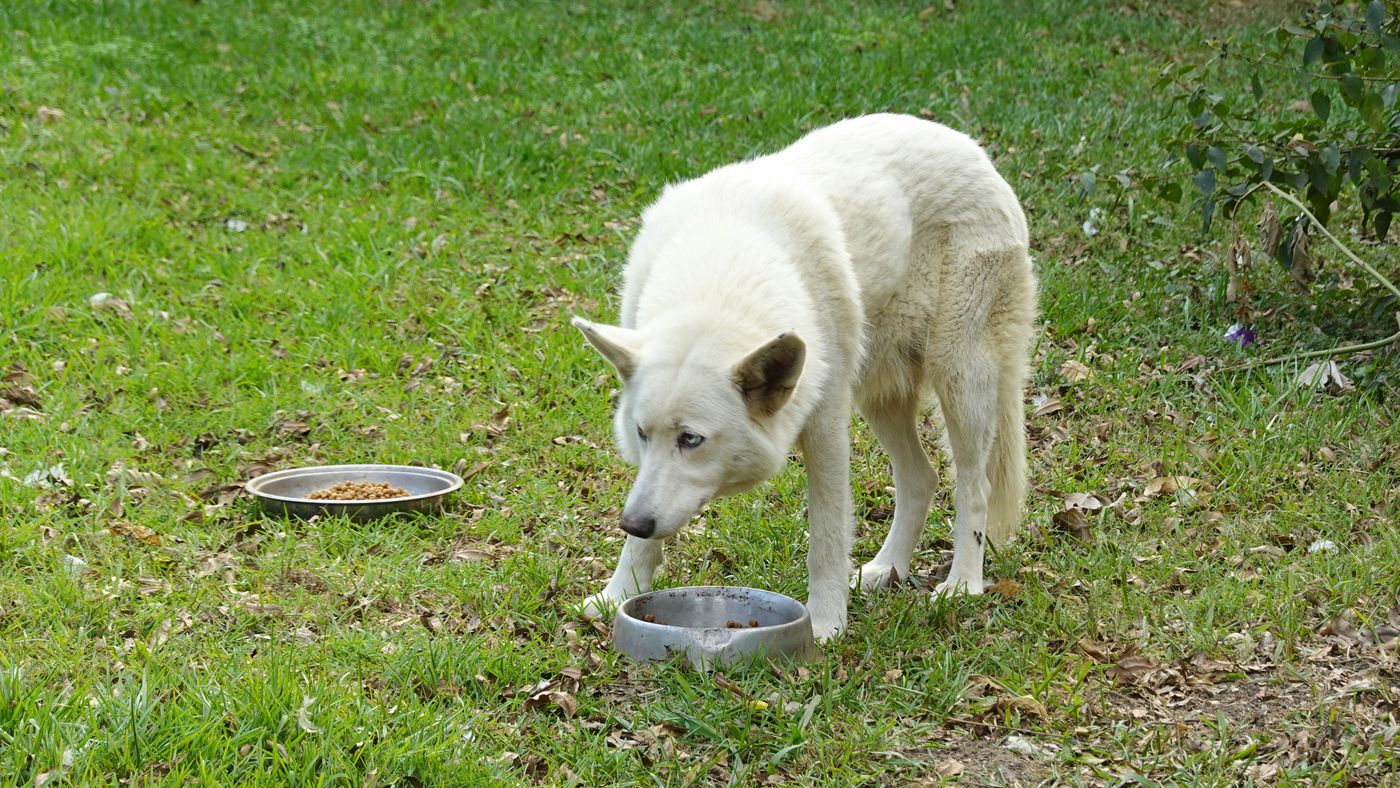
Treats should reward a moment without displacing the animal's main nutritional needs.

Pulling ahead does not mean a dog is trying to establish social rank.
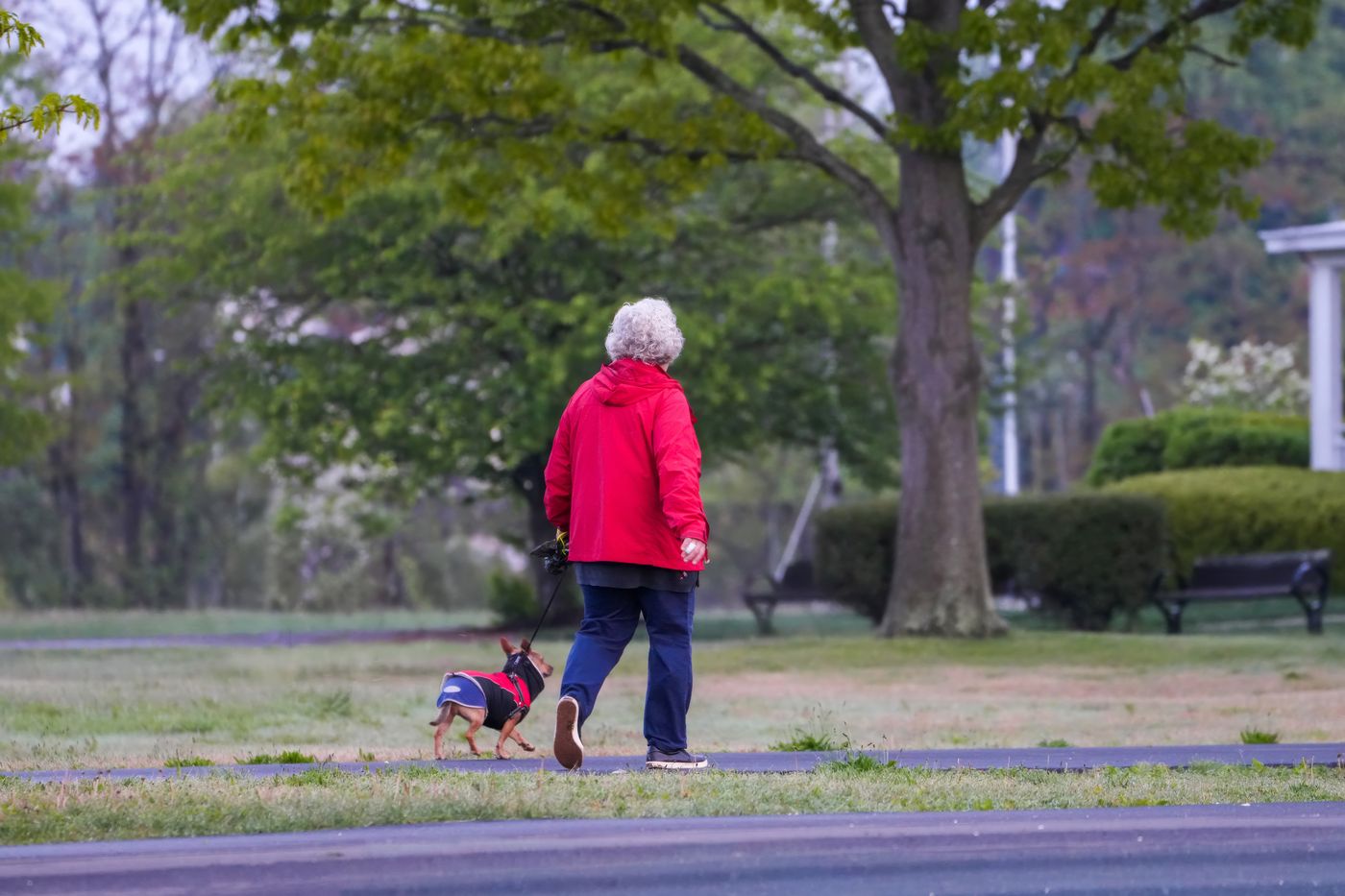
A short outing can still offer a chance to toilet, investigate and move comfortably.

A clear routine helps your dog reach the right place in time.
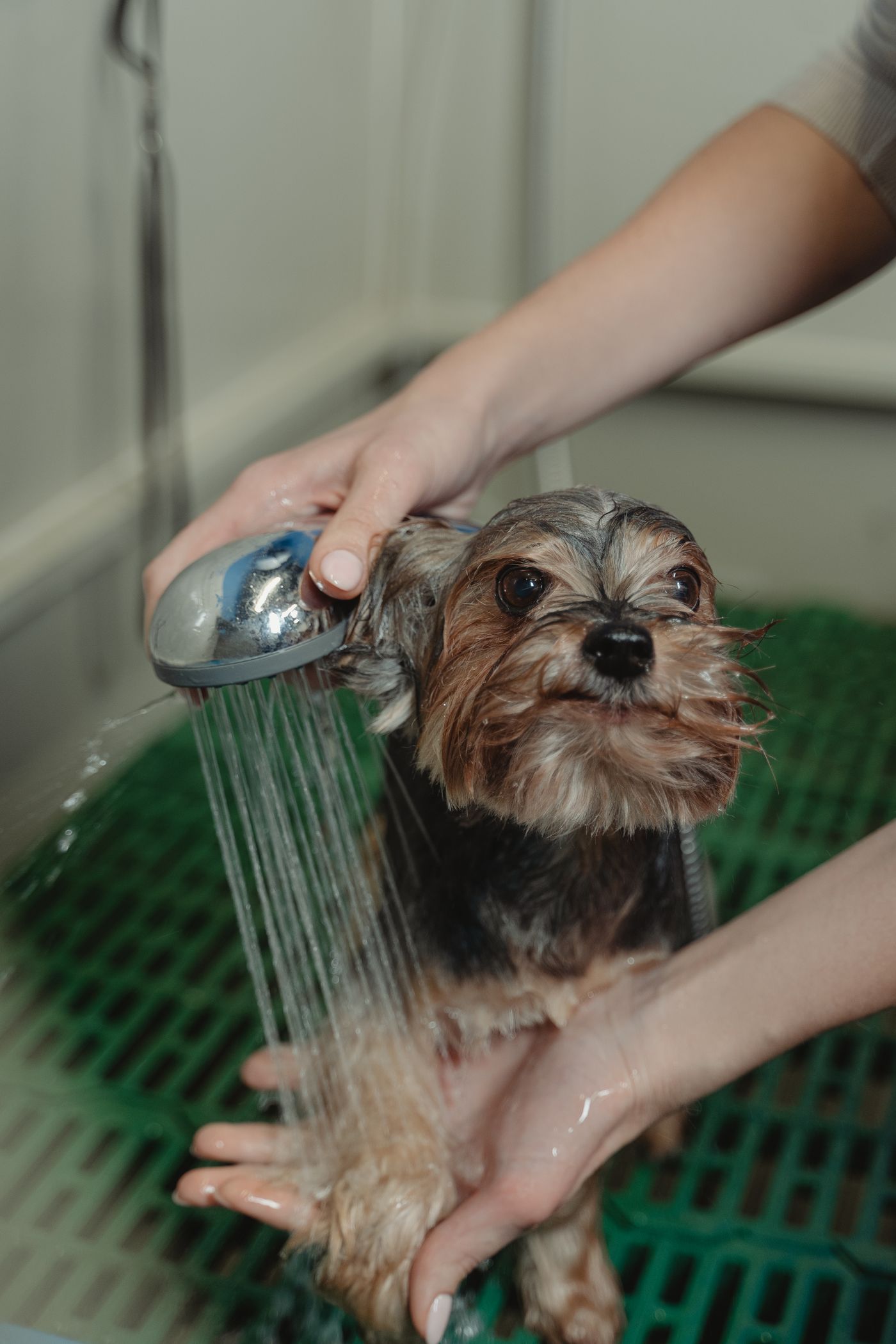
A calm bath begins with the room rather than the shampoo.
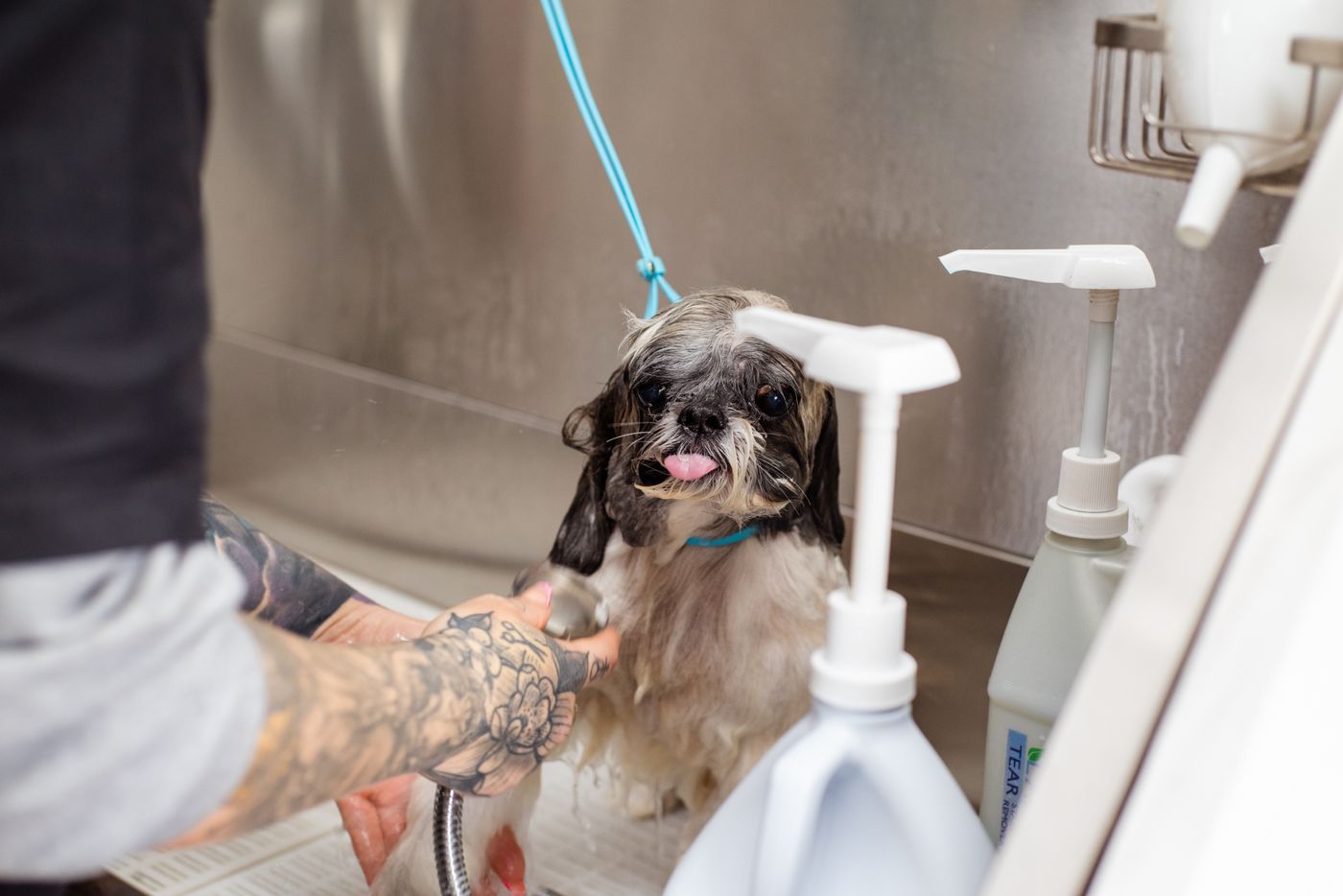
One calendar cannot suit every animal.

A weekend routine does not have to happen in one sitting.
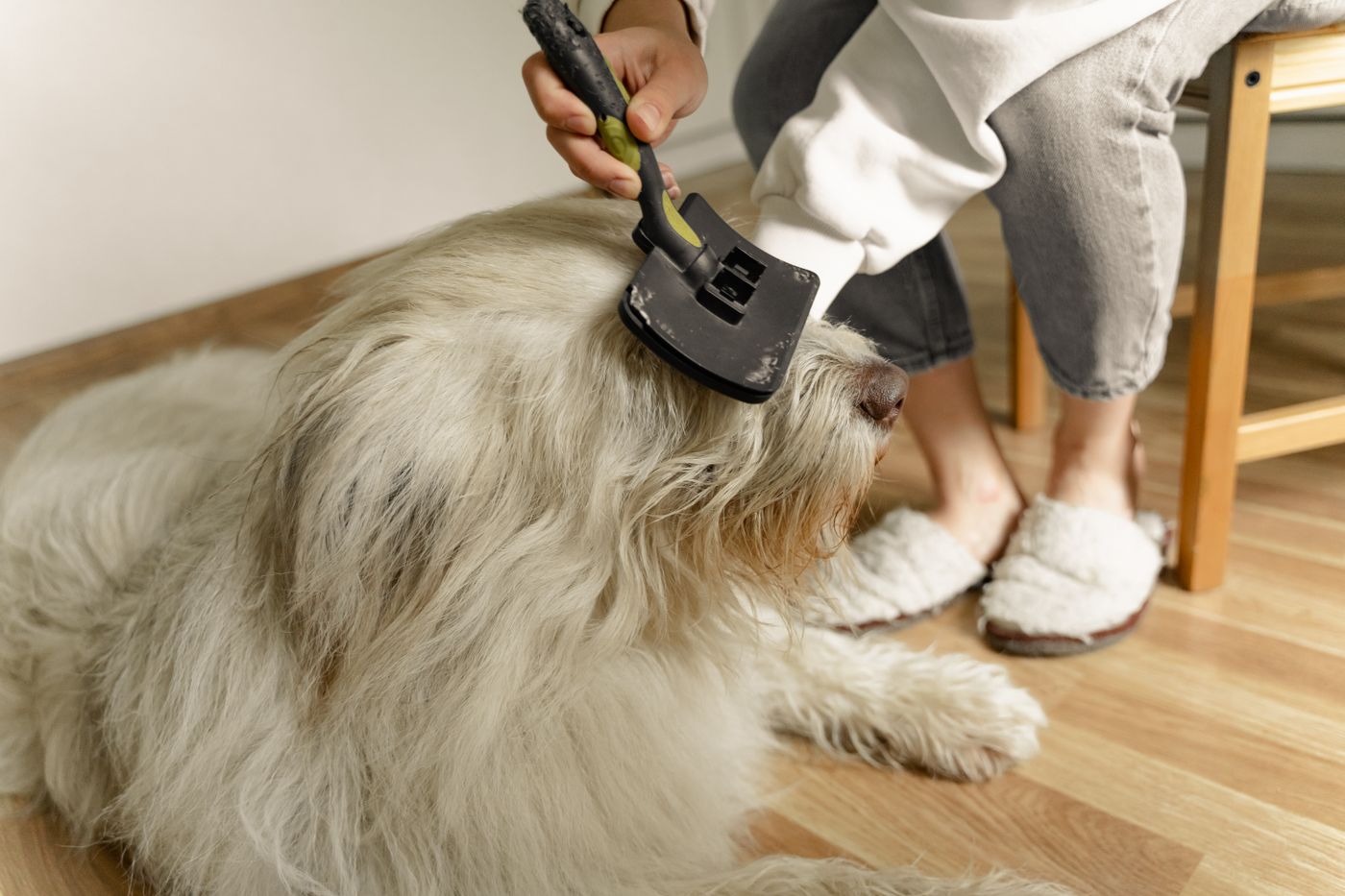
Loose fur and a skin problem need different conversations.

A coat change can be easier to assess with context.

Species and circumstances matter when choosing parasite products.
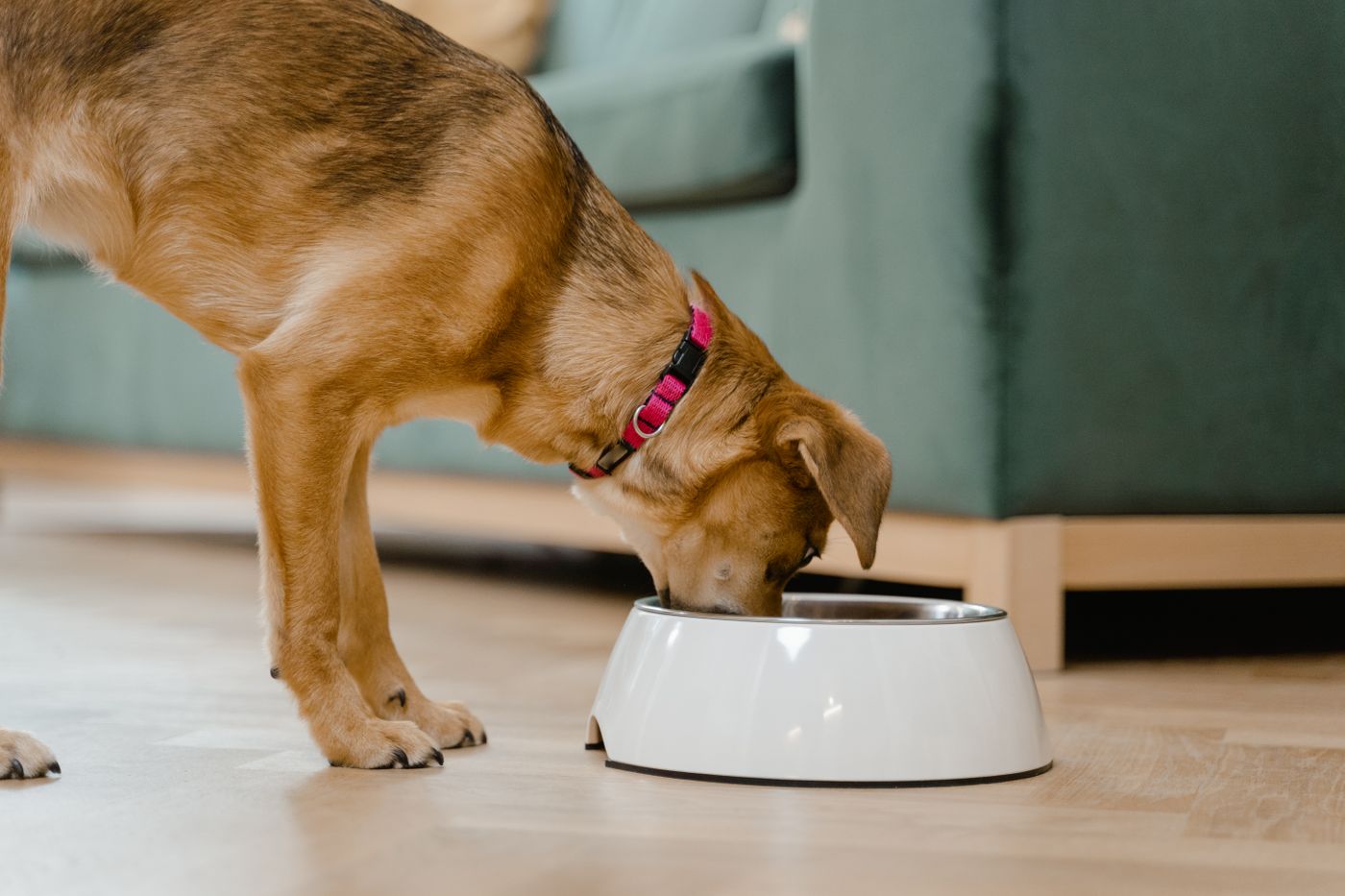
Weight management needs an individual plan and a way to track it.

Food portions cannot be compared by weight alone when the foods supply different amounts of energy.

An extra product should fit an existing care plan.
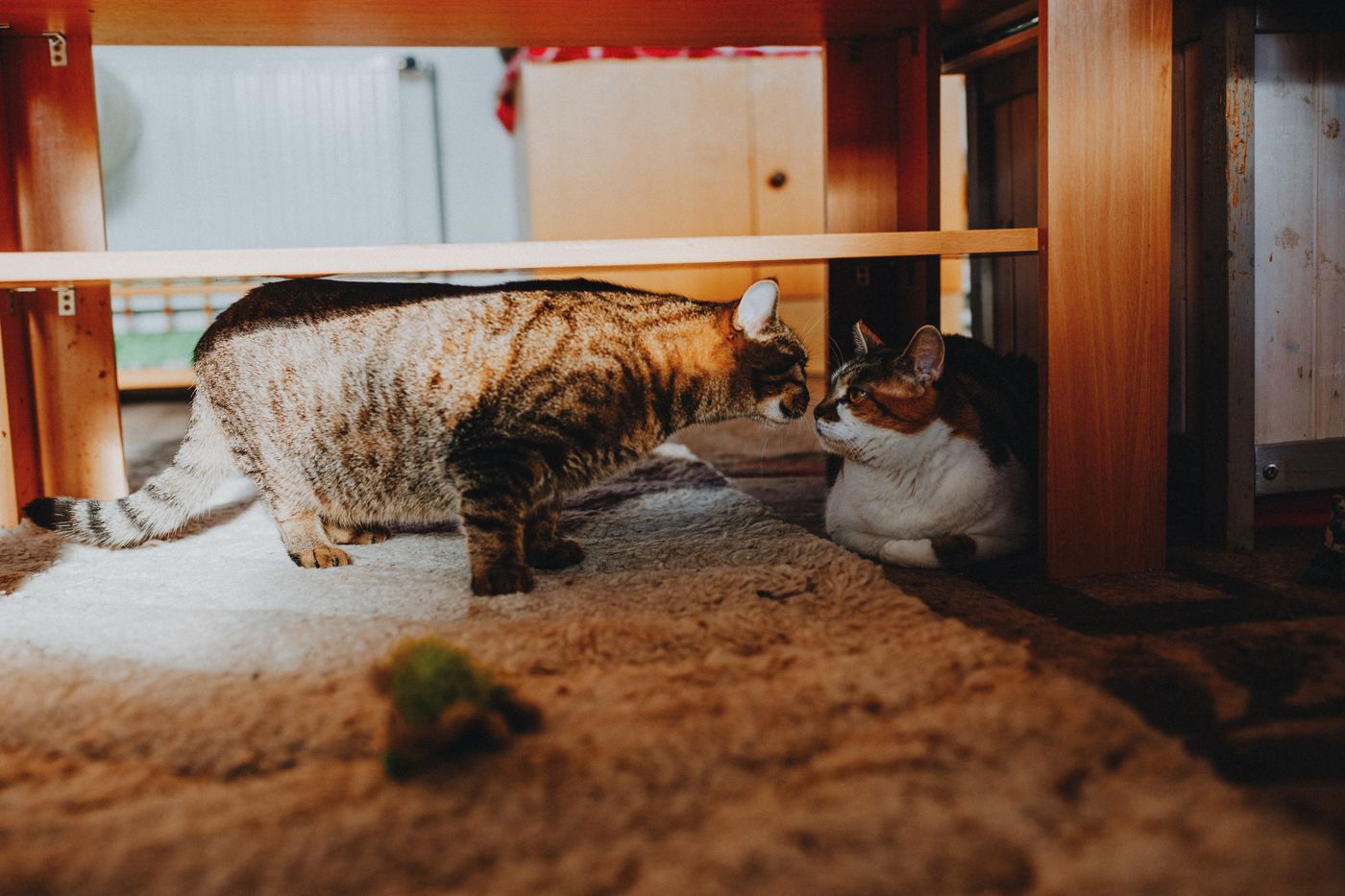
A shared home can begin with separate small worlds.

A first introduction needs management more than a photo opportunity.

A pet-safe home is easier to check one space at a time.

A decorative name is not enough information for a pet household.

Good notes explain ordinary routines and unusual situations.

The doorway setup can help your dog succeed.
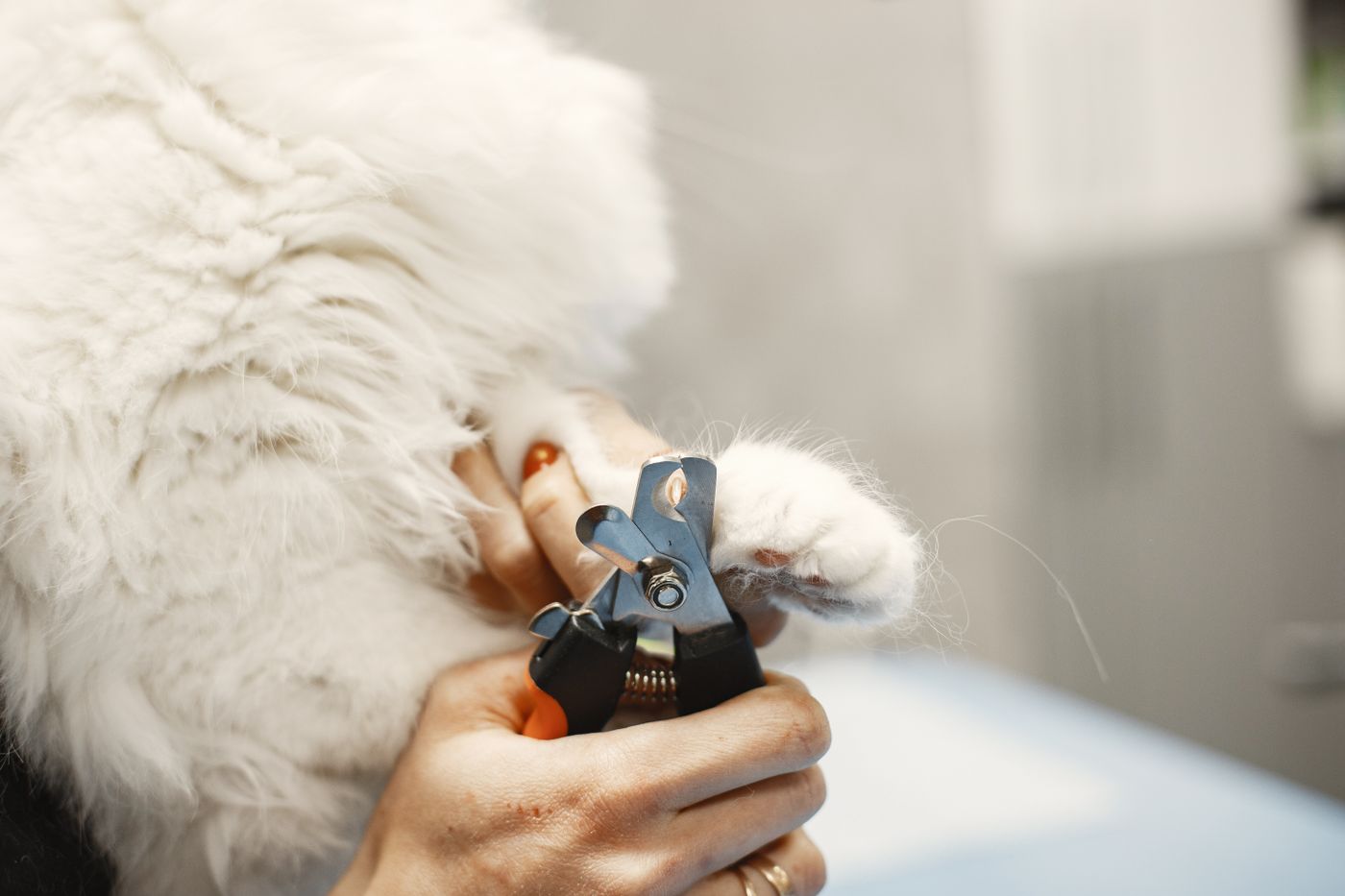
Comfort with a paw is a useful skill in its own right.
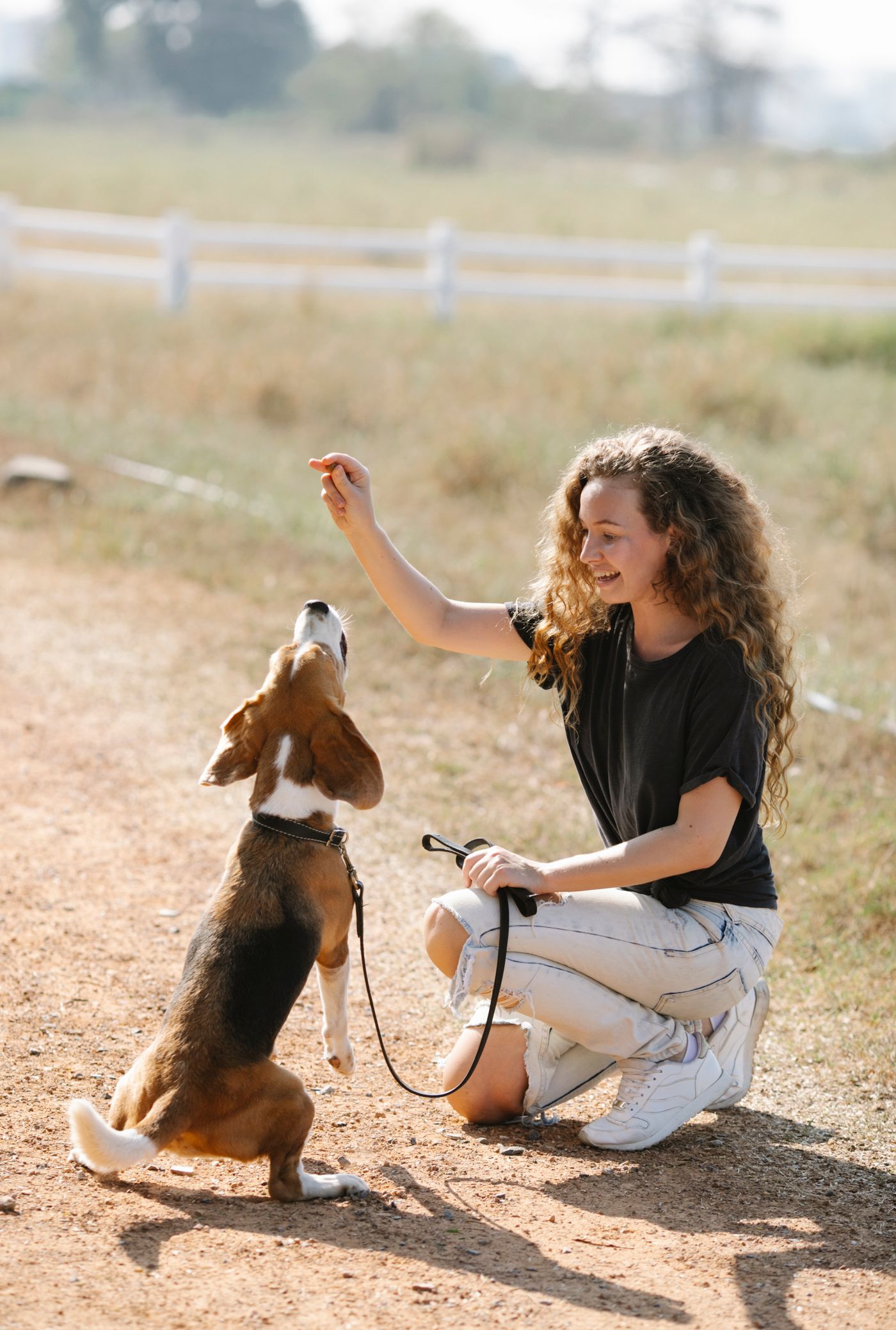
A clear explanation is more useful than a promise of fast results.
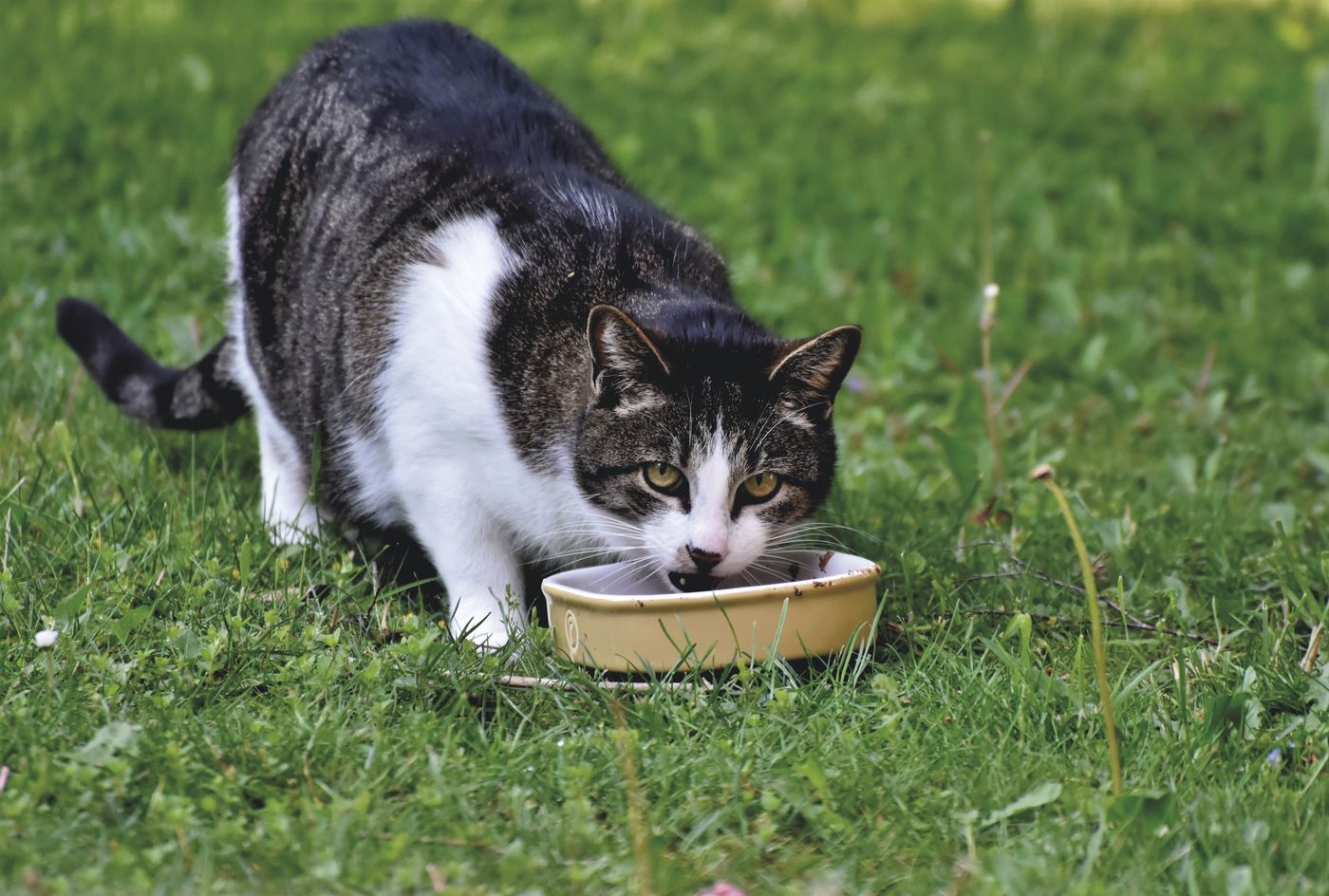
A measured transition is easier to discuss if problems arise.
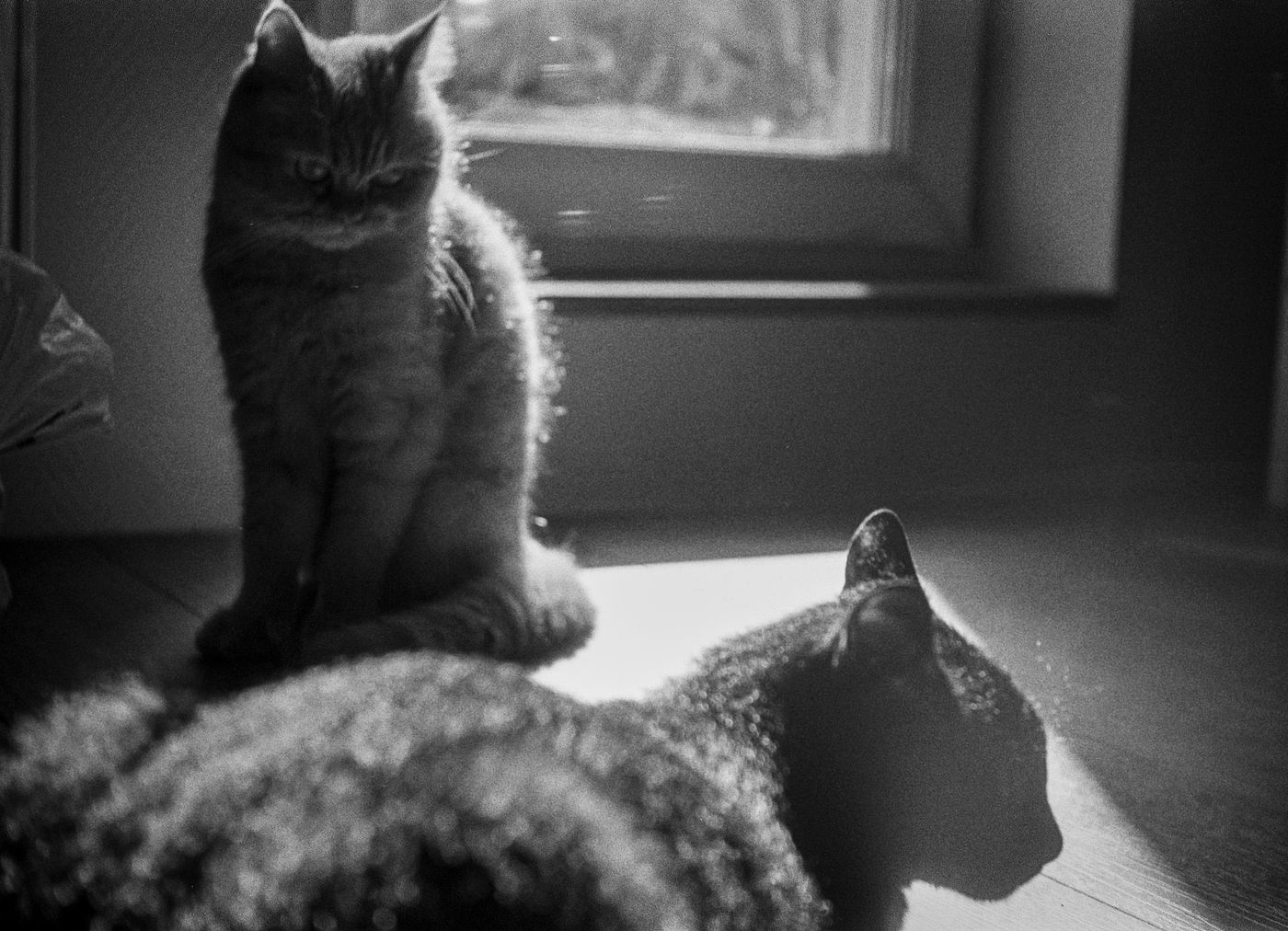
Side-by-side bowls are not a requirement for a friendly household.
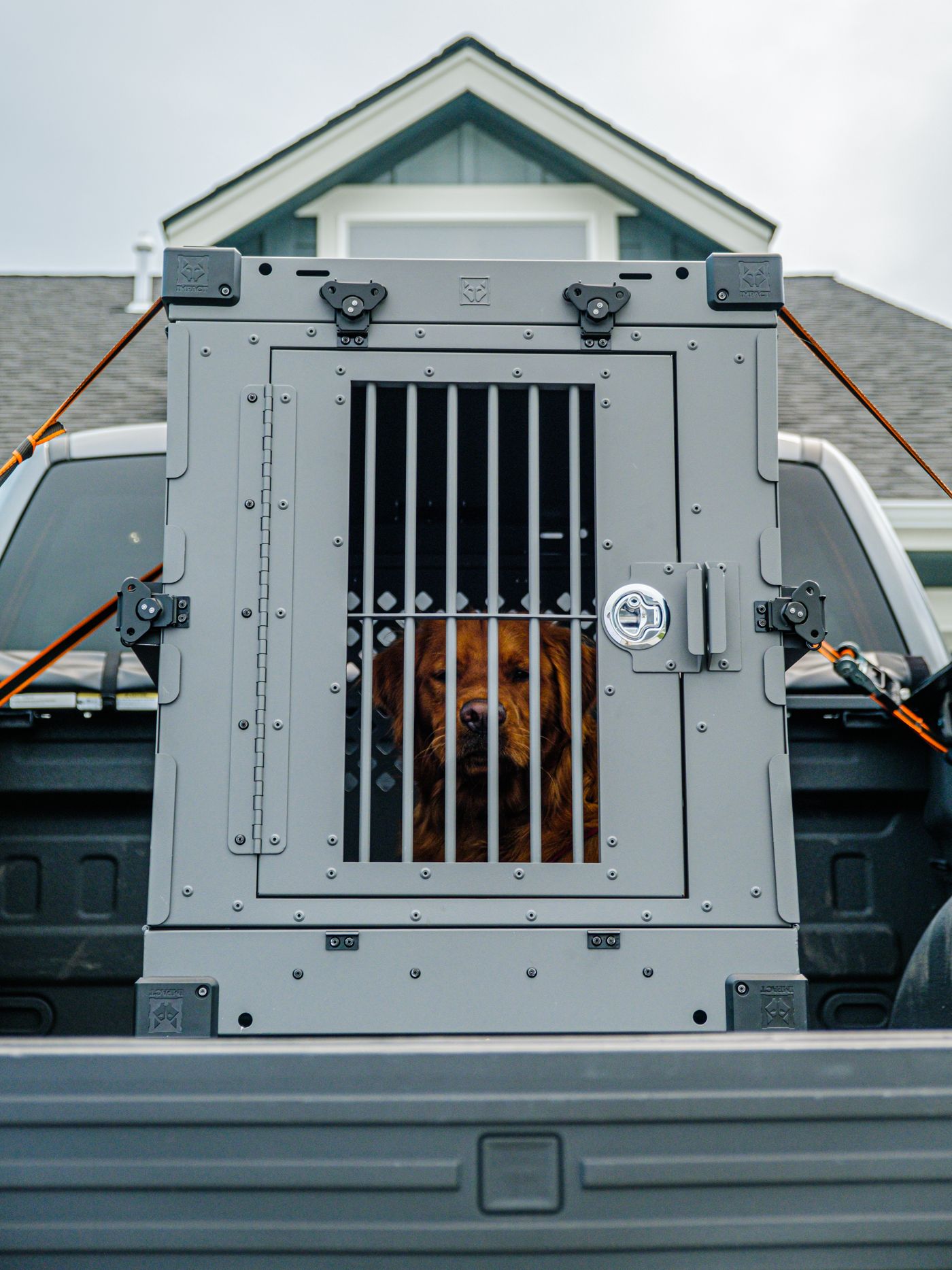
Travel preparation can begin without going anywhere.

Indoor enrichment can be quiet and manageable.

A small change in the room can make an ordinary task easier.
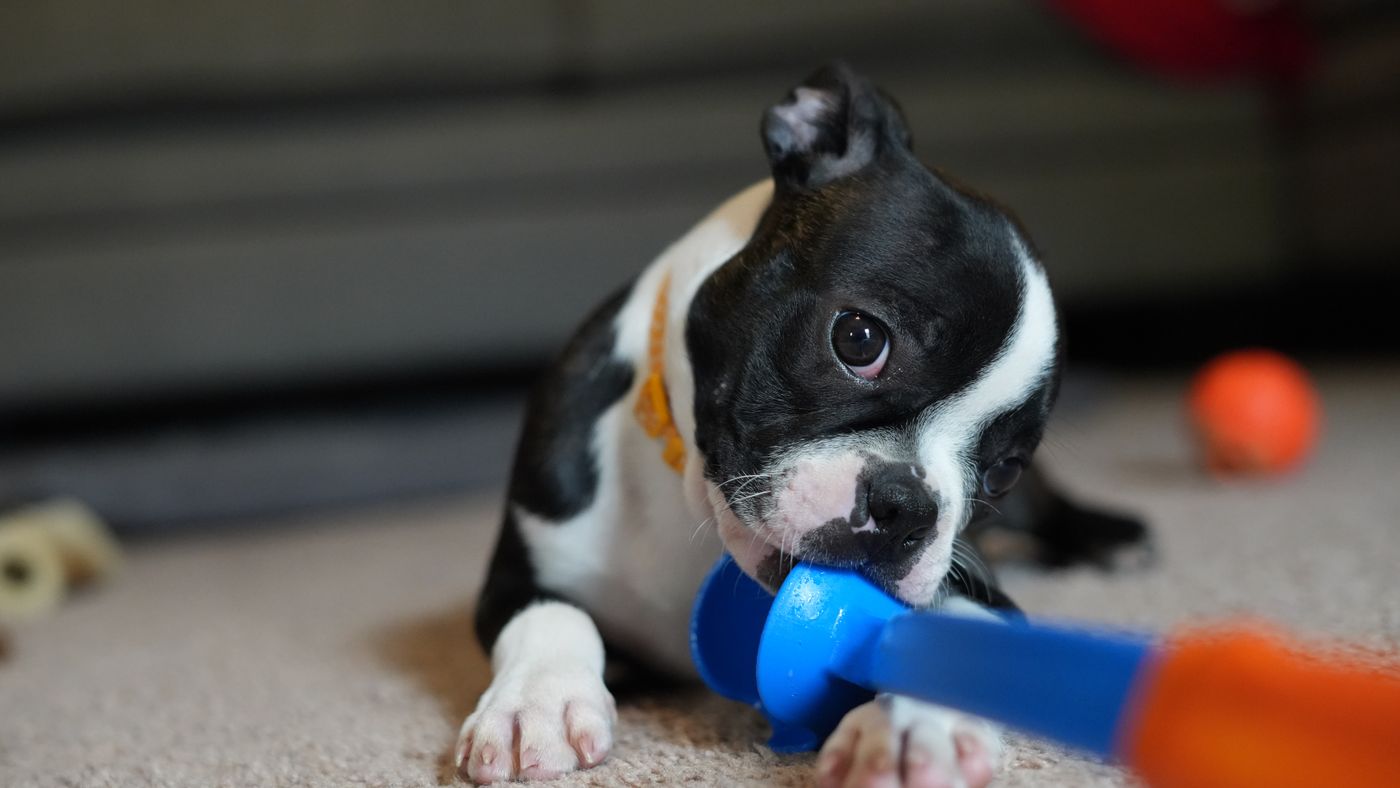
A product only proves useful when it suits the dog using it.

A changing home needs a dependable starting point.

Your observations help a consultation start with context.
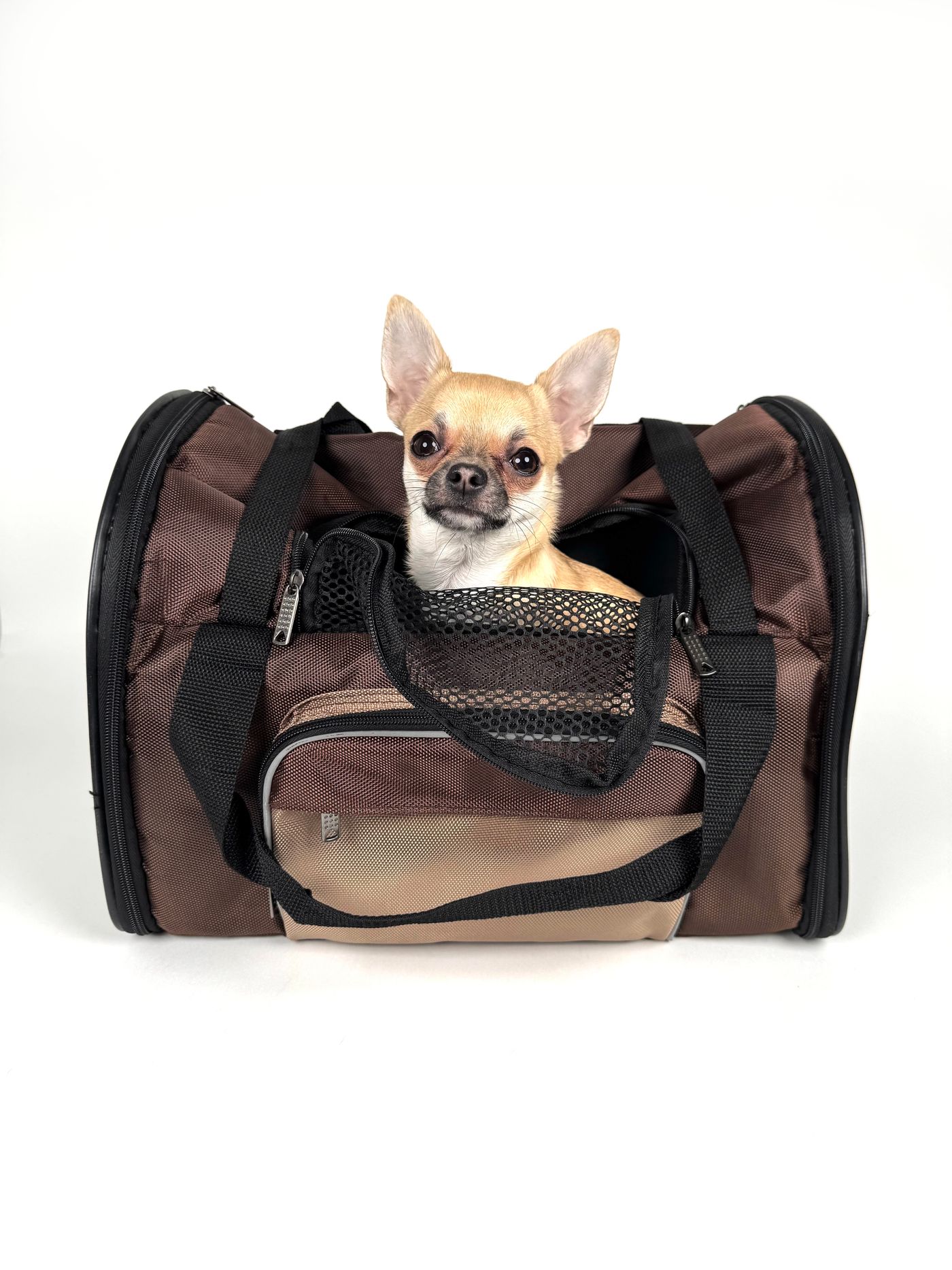
A practical bag should be easy to find and simple to move.
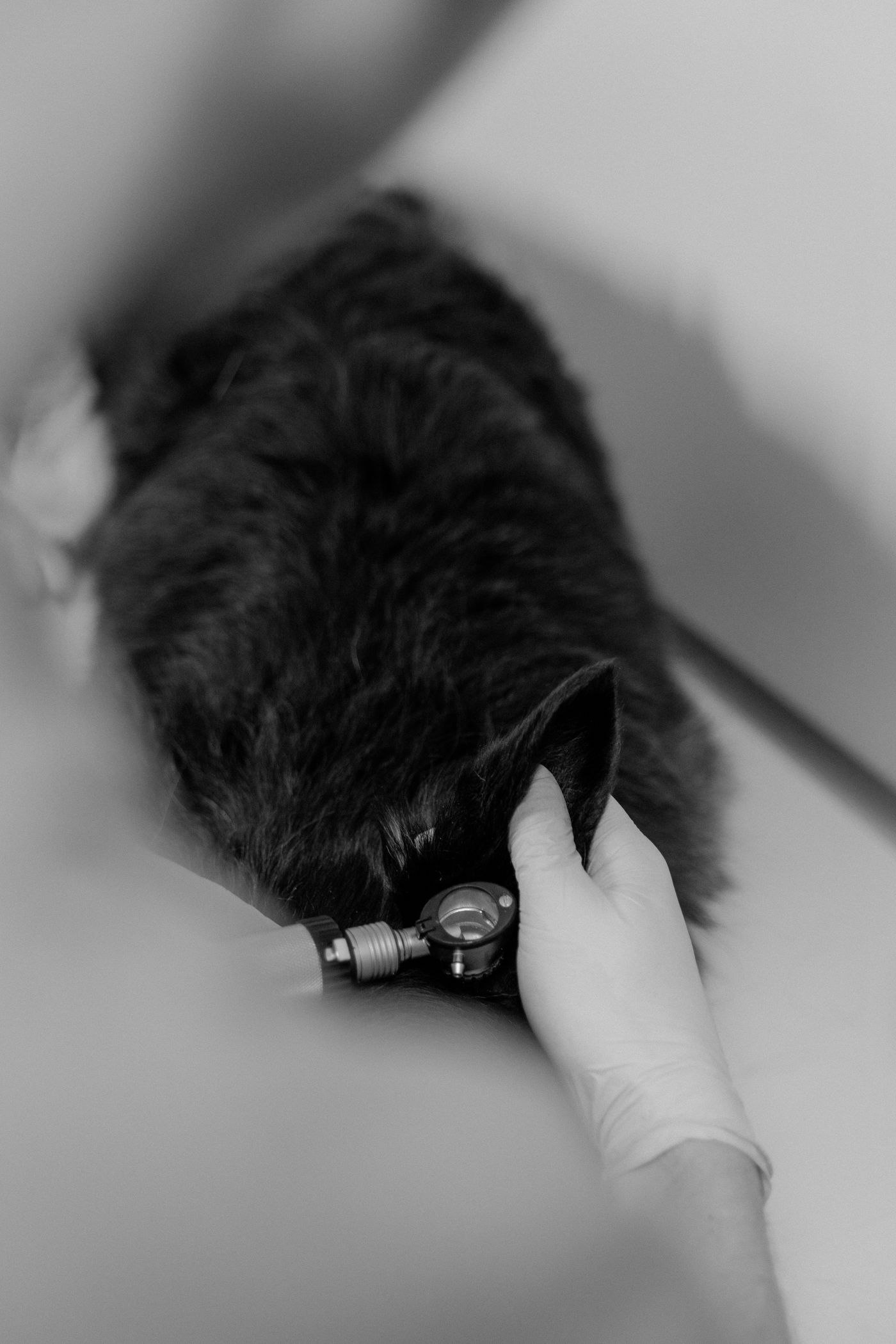
An unfamiliar smell or repeated scratching deserves context.
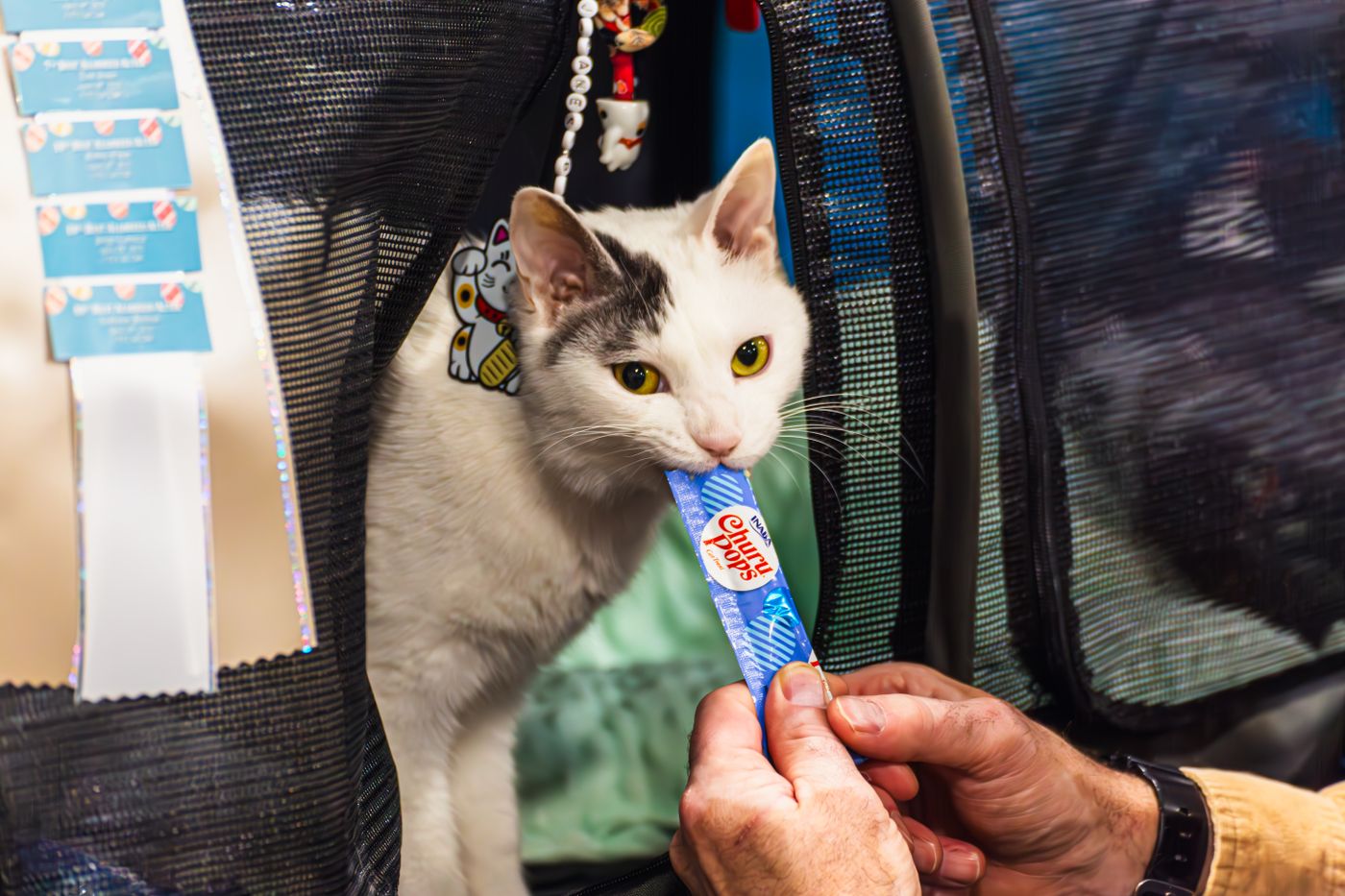
Travel equipment feels less unusual when it is not hidden between trips.

A tidy grooming kit is easier to keep ready.

A quiet bed works best when the cat can choose how to use it.
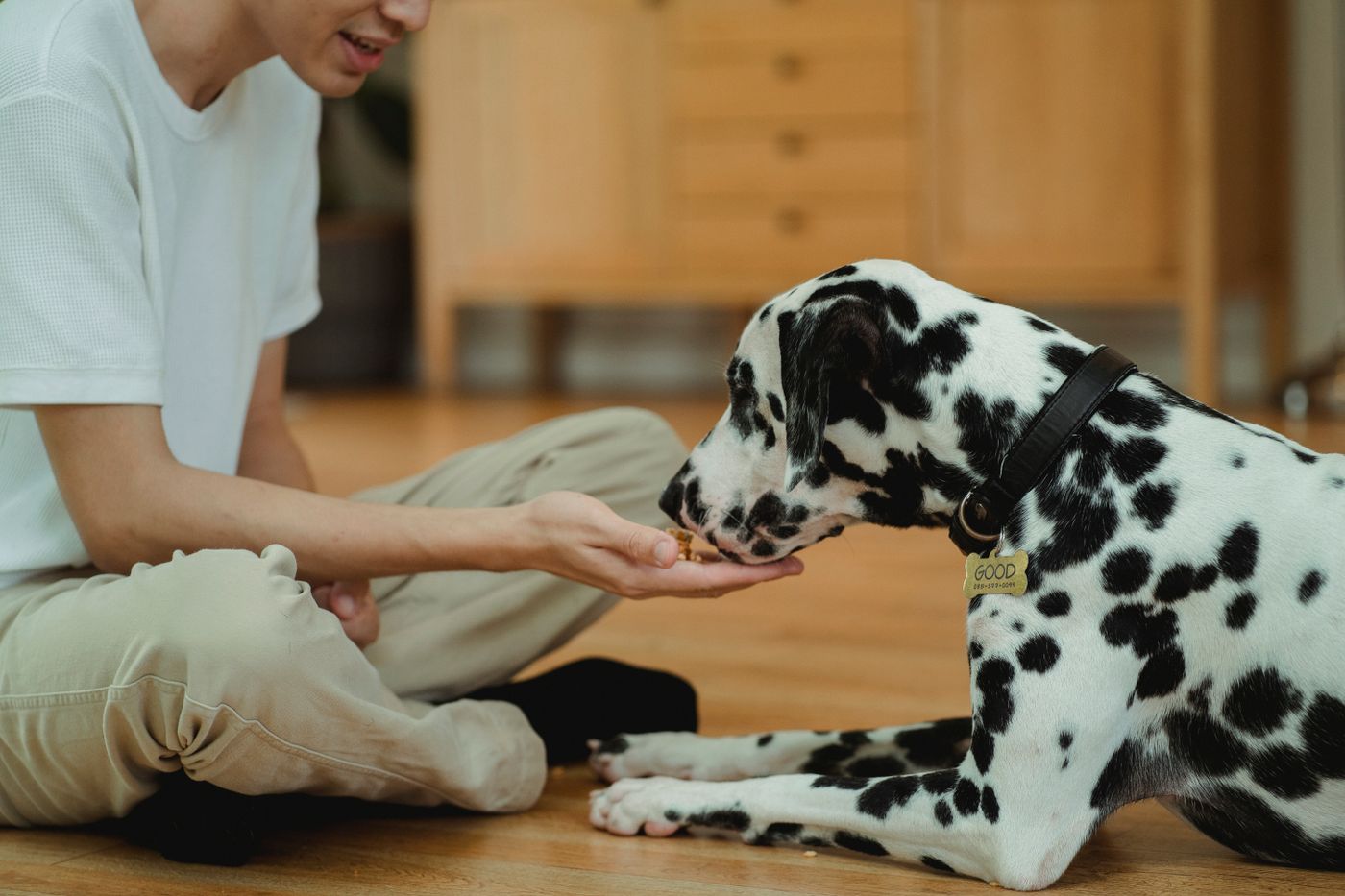
A small nose touch can become a useful shared cue.
No guides match yet. Try a different word or topic.