Useful pet supplies earn their place by solving an everyday need. Begin with the essentials for the animal joining your home and add equipment after learning what works. A shorter, considered shopping list can serve a household better than buying everything before arrival.
Feeding and rest
Choose easy-to-clean food and water bowls, an appropriate complete diet and a way to measure portions. Provide washable bedding in a quiet area. Cats also need suitable litter boxes, litter and scratching surfaces; dogs need a practical toilet routine and a safe resting space.
Grooming essentials
Select a brush or comb suited to the coat, pet toothpaste, a soft toothbrush and appropriate nail tools. A guard on a nail clipper does not guarantee a safe cut. Learn the technique before using it, and seek help when your pet cannot remain comfortable.
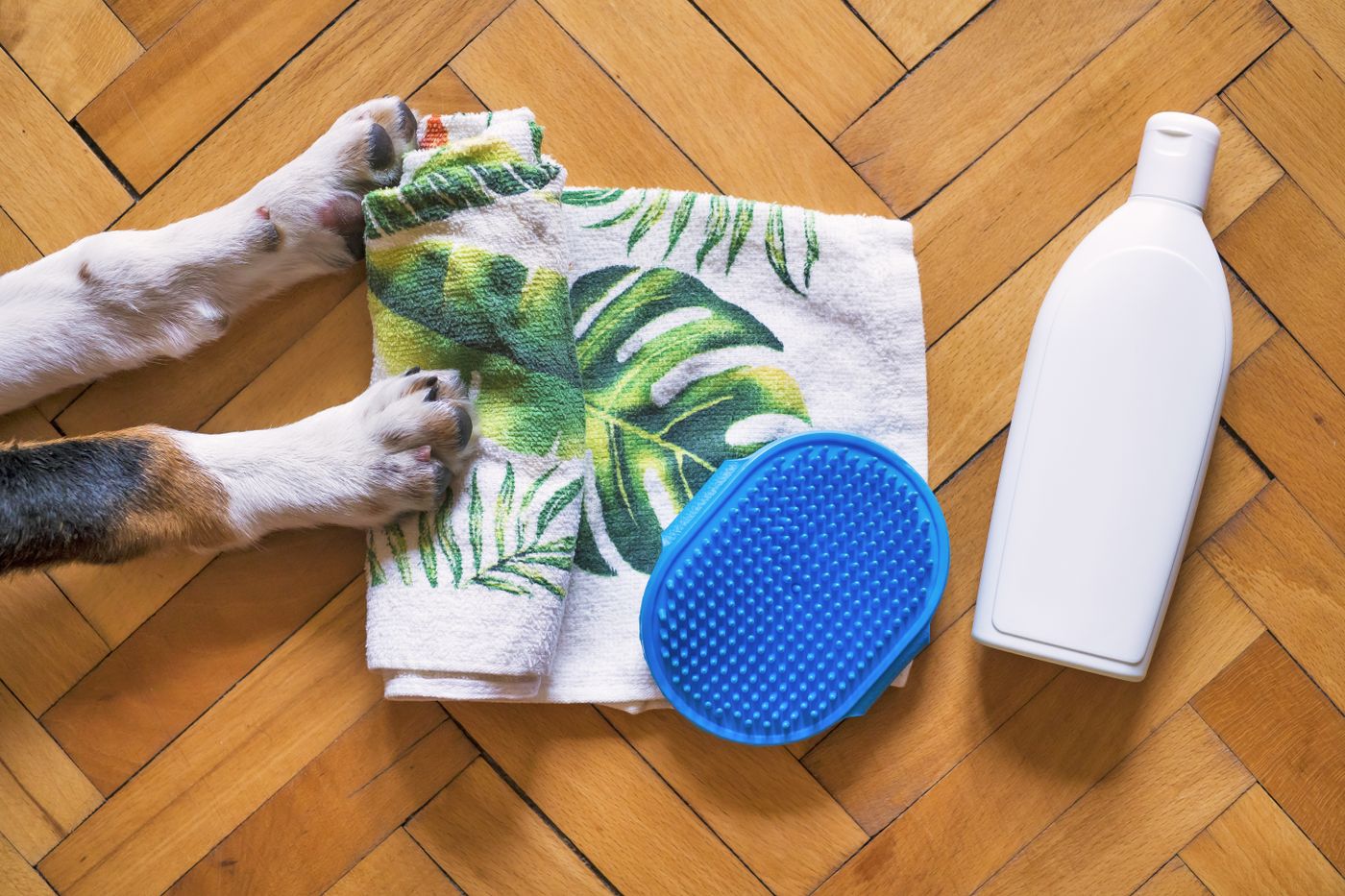
Buy shampoo for the species and skin needs only when bathing is appropriate. Clean towels and a non-slip mat are often more useful than a collection of strongly scented products.
Getting out safely
Dogs need well-fitted walking equipment and visible identification. Cats need a secure carrier, and all pets need suitable transport arrangements. Check clips, ventilation, washable surfaces and the animal's room to move before choosing by appearance.
Cleaning and enrichment
Keep waste bags or litter-cleaning tools, a pet-appropriate enzymatic cleaner and a few safe toys. Food puzzles and chew items should match size and behavior, with supervision during introductions.
Before buying an automatic feeder, tracker or elaborate bed, ask what specific difficulty it will solve. The best starter kit leaves room for observation, adjustment and the costs of healthcare.
ONE THING TO TAKE WITH YOU
Choose a few safe, washable essentials that suit the individual pet, then expand thoughtfully.
FURTHER READING
Editorially checked on 23 November 2026. Sources are provided for further reading; this is not an individual veterinary assessment.