A useful weight-loss diet reduces excess energy while still supporting nutrition, muscle and comfort. It needs more thought than simply shrinking the existing meal. Begin with veterinary assessment and an individual target, then measure and review the plan.
Set an individual allowance
Ask for a daily calorie goal and a suitable food. A universal instruction to feed 80 percent of the packet amount may be wrong for your pet. Package guidance is only a starting estimate, and therapeutic weight-management foods may help in some cases.
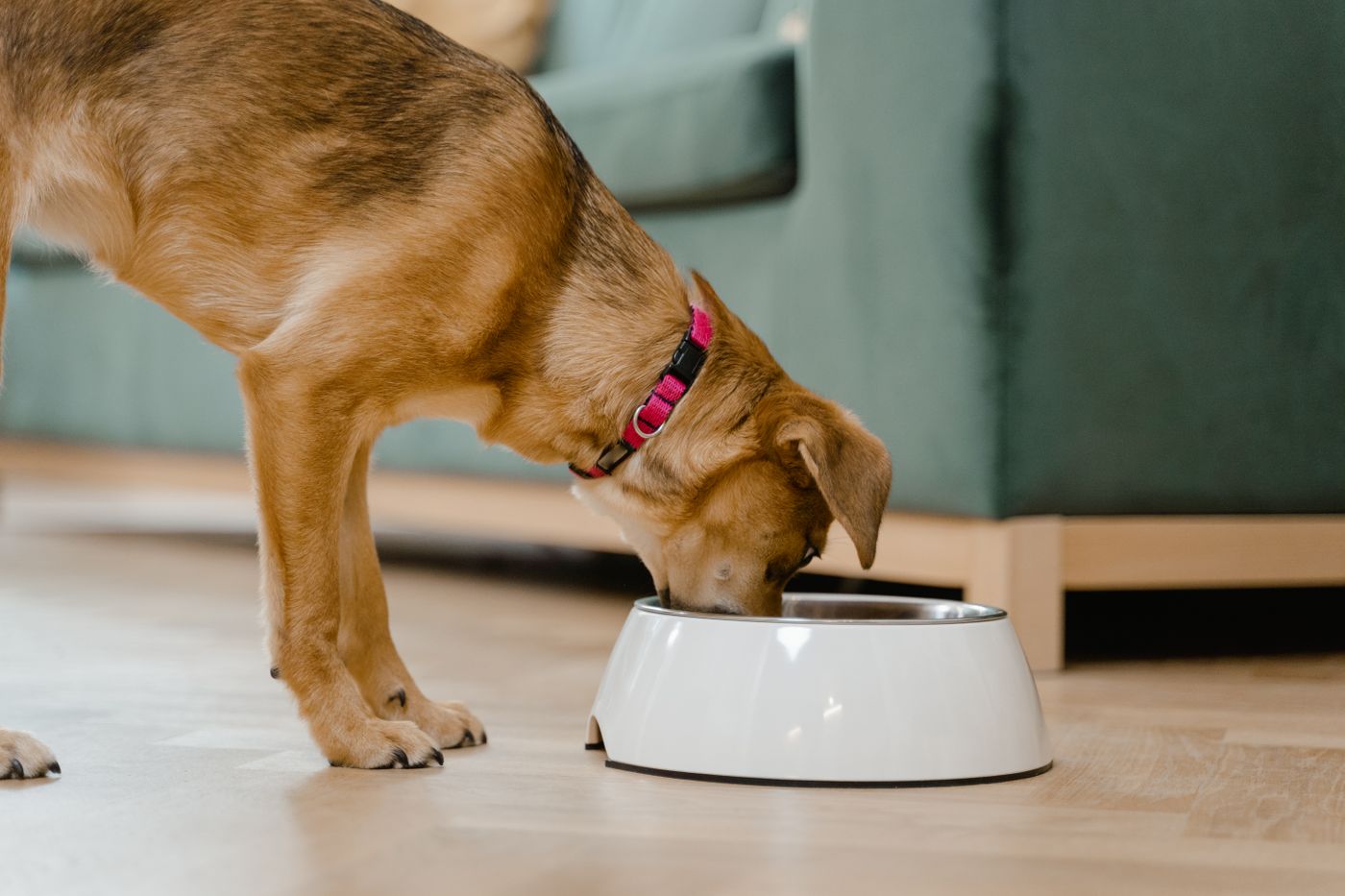
Measure the portions
Use a kitchen scale and the food's calorie information. Divide the allowance into a practical meal schedule and include every treat, chew and table scrap. If several people feed the pet, prepare the full day's ration in one clearly identified container.
Keep meals nutritionally complete
Do not replace a complete diet with an improvised ratio of meat, vegetables and rice. Homemade diets need formulation by a qualified veterinary nutrition specialist to meet requirements while controlling energy. 'Low fat' alone does not establish that a food is appropriate.
Cats should never be crash-dieted or allowed to stop eating as part of a weight-loss plan.
Add comfortable movement
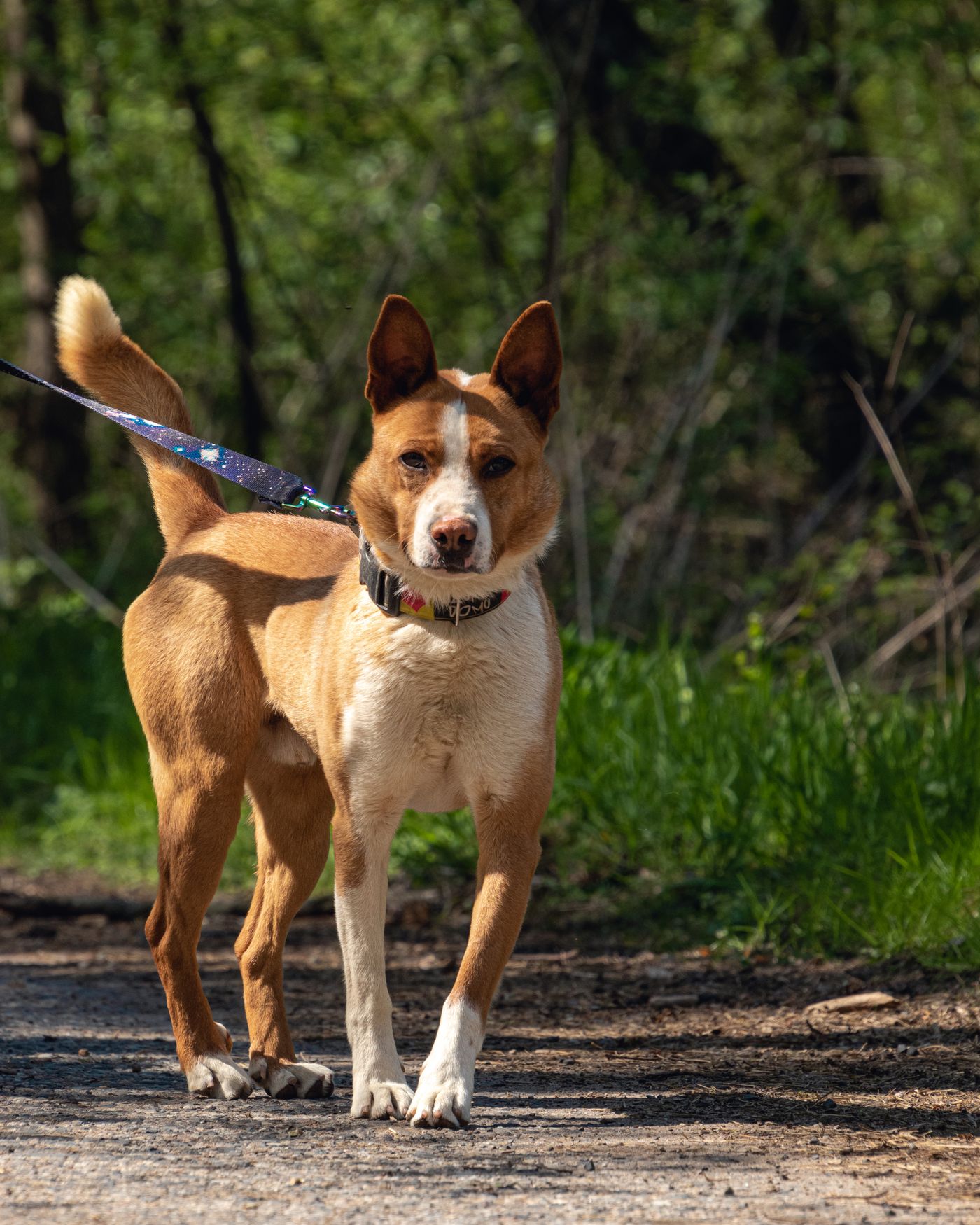
Use short walks, gentle play and simple food puzzles suited to mobility. Address painful joints or other barriers rather than expecting exercise alone to solve the problem.
Review and adjust
Track weight, body and muscle condition, appetite and activity at agreed intervals. Seek advice if progress is unexpectedly rapid, the pet seems unwell or intake falls. A sustainable plan should improve daily comfort as well as the number on the scale.
ONE THING TO TAKE WITH YOU
Use an individualized calorie target while preserving complete nutrition and monitoring comfort.
FURTHER READING
Editorially checked on 23 November 2026. Sources are provided for further reading; this is not an individual veterinary assessment.
General editorial information. Your veterinary team can advise on the needs and health of your individual pet.