Returning on cue must compete with plenty of interesting things. Make the response rewarding and practise where your dog is likely to succeed. The five habits in this guide strengthen the connection between hearing the cue and choosing to come back.
Choose a reward your dog values
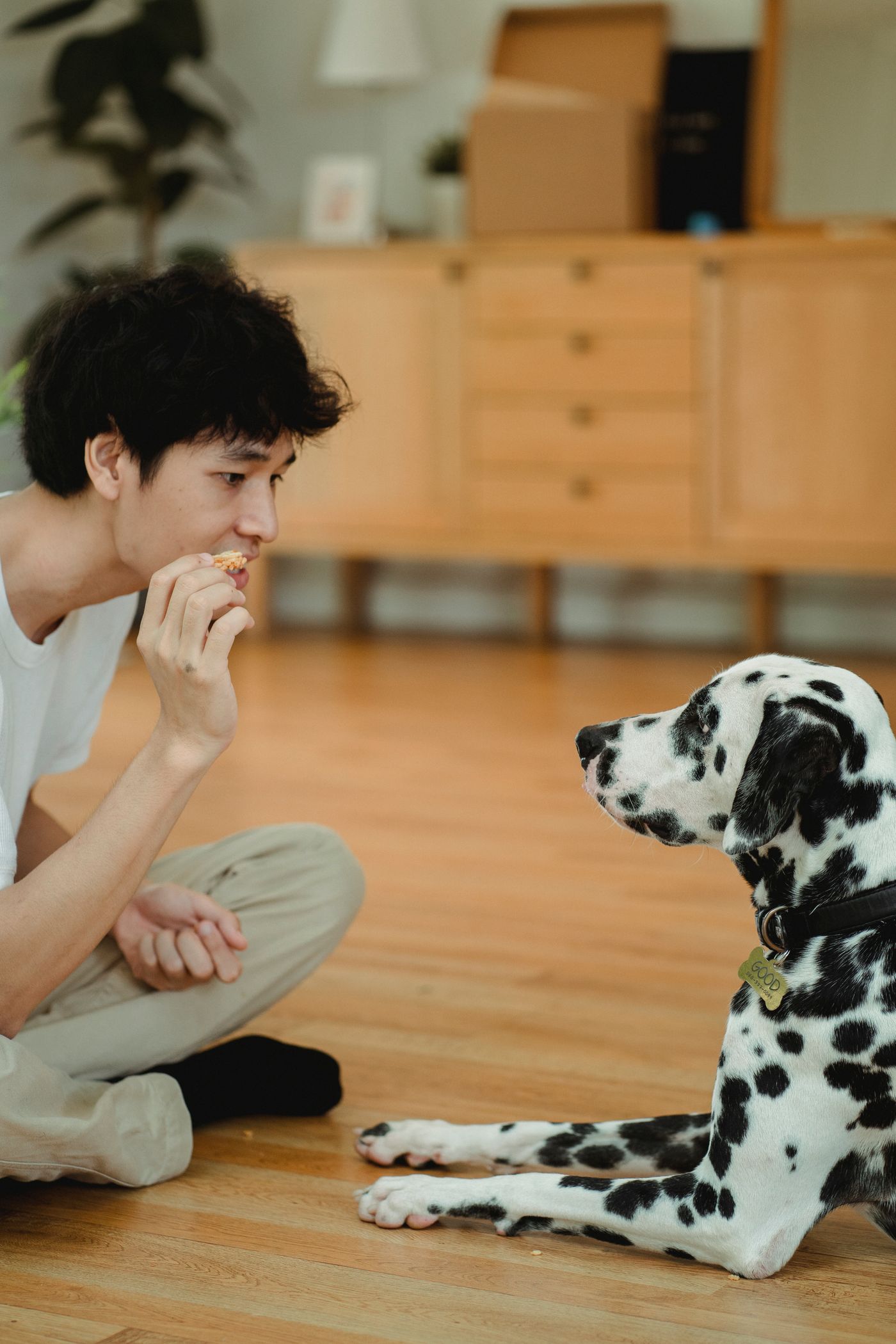
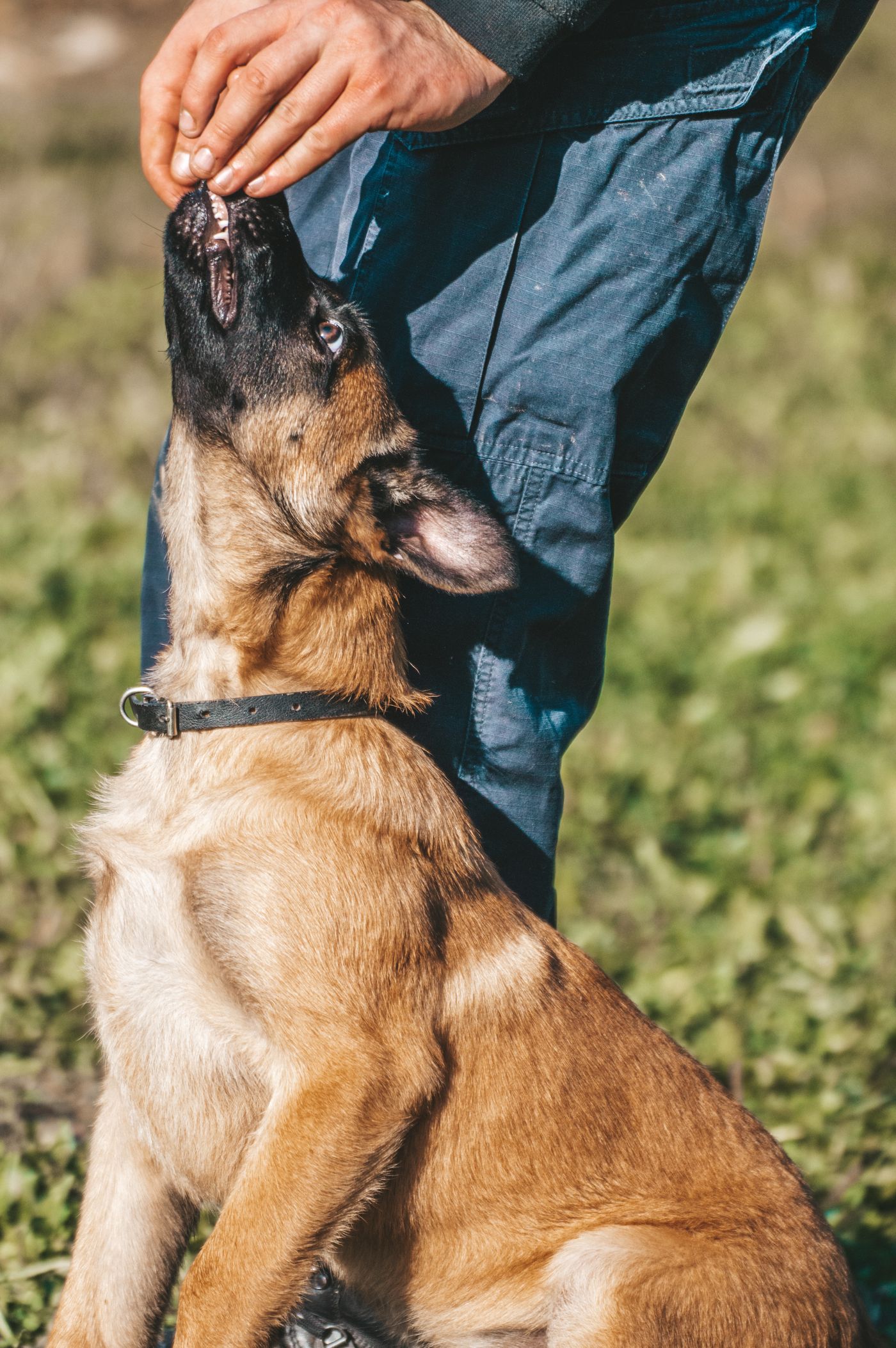
Use small portions of a favorite food when the setting is difficult. Some dogs also enjoy a toy, a brief chase with you or permission to return to sniffing. Match the reward to the moment rather than insisting on one type.
Make arrival the destination
Reward close to your body so the dog learns to come all the way in. Practice a gentle collar or harness touch as part of the routine, then release. This prevents 'come' from becoming a game of stopping just out of reach.
Make the next step achievable
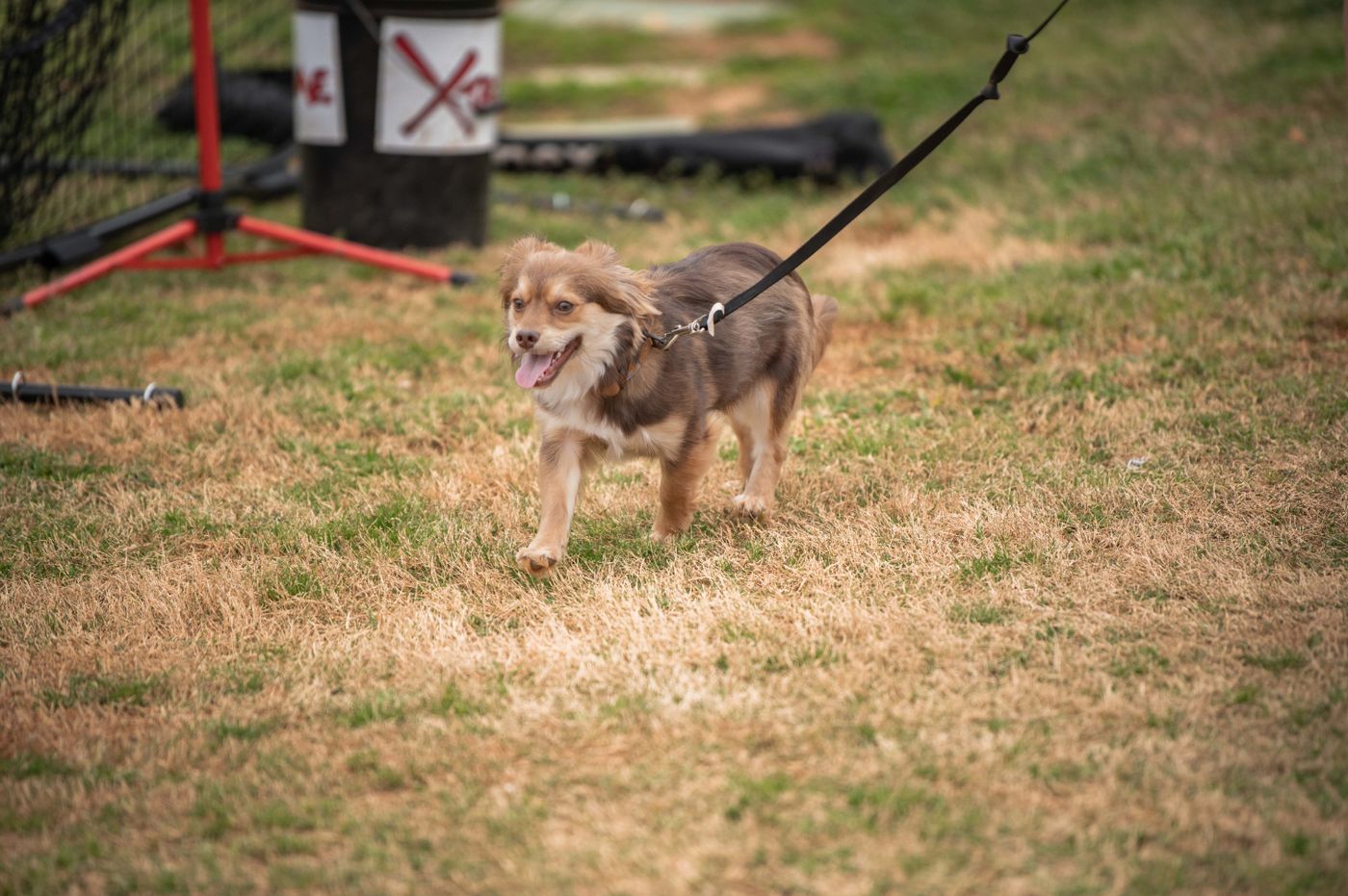
Begin indoors, then use a secure outdoor space and a long line attached to a harness. Increase distance and distractions separately. If your dog cannot respond, reduce the challenge instead of repeating the cue until it fades into background noise.
Protect the meaning of the cue
Never punish your dog for returning, even after a delay. Avoid using recall mainly to interrupt fun or begin an unpleasant task. Sometimes call, reward and send your dog back to exploring.
Practice little and often
A few successful repetitions are more valuable than a long session after attention has gone. Keep physical safety independent of the cue: use a lead near traffic and respect local rules. No training exercise makes an unsafe environment suitable for off-leash testing.
ONE THING TO TAKE WITH YOU
Reward a complete return and preserve the cue as a promise of something worthwhile.
FURTHER READING
Editorially checked on 23 November 2026. Sources are provided for further reading; this is not an individual veterinary assessment.