Watch an older pet's ordinary routes before choosing household changes. The journey to water, through a doorway or into a litter tray can reveal where access is becoming difficult. Small practical adjustments support comfort while the reason for new hesitation is investigated.
Improve the floor route
Use secure non-slip surfaces where the pet walks and turns. Avoid loose rugs that slide or curl at the edge. Keep pathways clear and provide gentle lighting where reduced vision may make navigation difficult.
Reduce difficult climbs
A stable low step or appropriately designed ramp may help reach a familiar resting place. Introduce it slowly and check grip, angle and stability. Some pets will prefer a comfortable bed at floor level instead.
Bring essentials closer
Offer water and suitable toilet access on the levels the pet uses. Cats may need low-entry litter boxes; dogs may benefit from shorter routes to the outdoors and more frequent breaks. Keep resources away from competition with younger animals.
Support comfortable rest
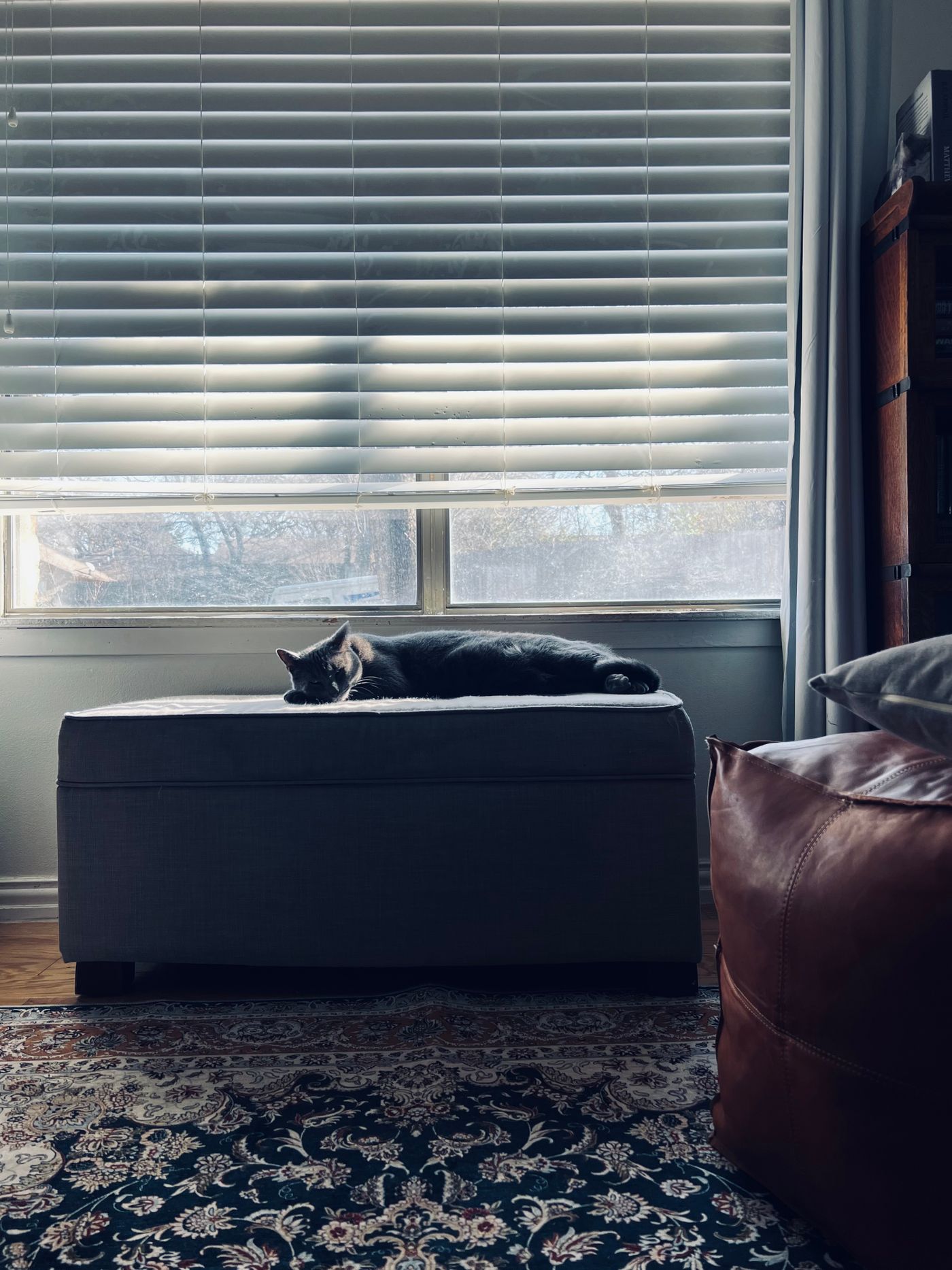
Choose a bed that supports the body and allows easy entry. Washable covers and thorough drying matter as much as softness. Let the pet choose a quiet temperature-comfortable location.
Treat the reason for the difficulty
Environmental changes support care but do not diagnose or treat pain. New limping, reduced jumping or trouble rising deserves veterinary assessment.
Review the setup regularly. The best adaptation is one the animal uses comfortably, not necessarily the most elaborate product in the room.
ONE THING TO TAKE WITH YOU
Follow the pet's daily routes and remove obstacles while arranging care for underlying pain or illness.
FURTHER READING
Editorially checked on 23 November 2026. Sources are provided for further reading; this is not an individual veterinary assessment.