No particular petting spot makes every dog affectionate or more obedient. Some dogs enjoy touch in certain places, while others prefer less contact. Begin with an invitation, watch the response and allow the dog to decide whether the interaction continues.
Let the dog approach
Stand or sit without leaning over the dog and give it space to come closer. For an unfamiliar animal, ask the handler first and accept that the answer may be no. Avoid reaching straight over the head or putting your face close to the muzzle.
Begin with a familiar, comfortable area
Many dogs enjoy gentle strokes around the shoulder, chest or side of the neck. Some like a light scratch behind the ears or under the chin. Use soft pressure and avoid gripping, pulling or repeatedly rubbing one spot.
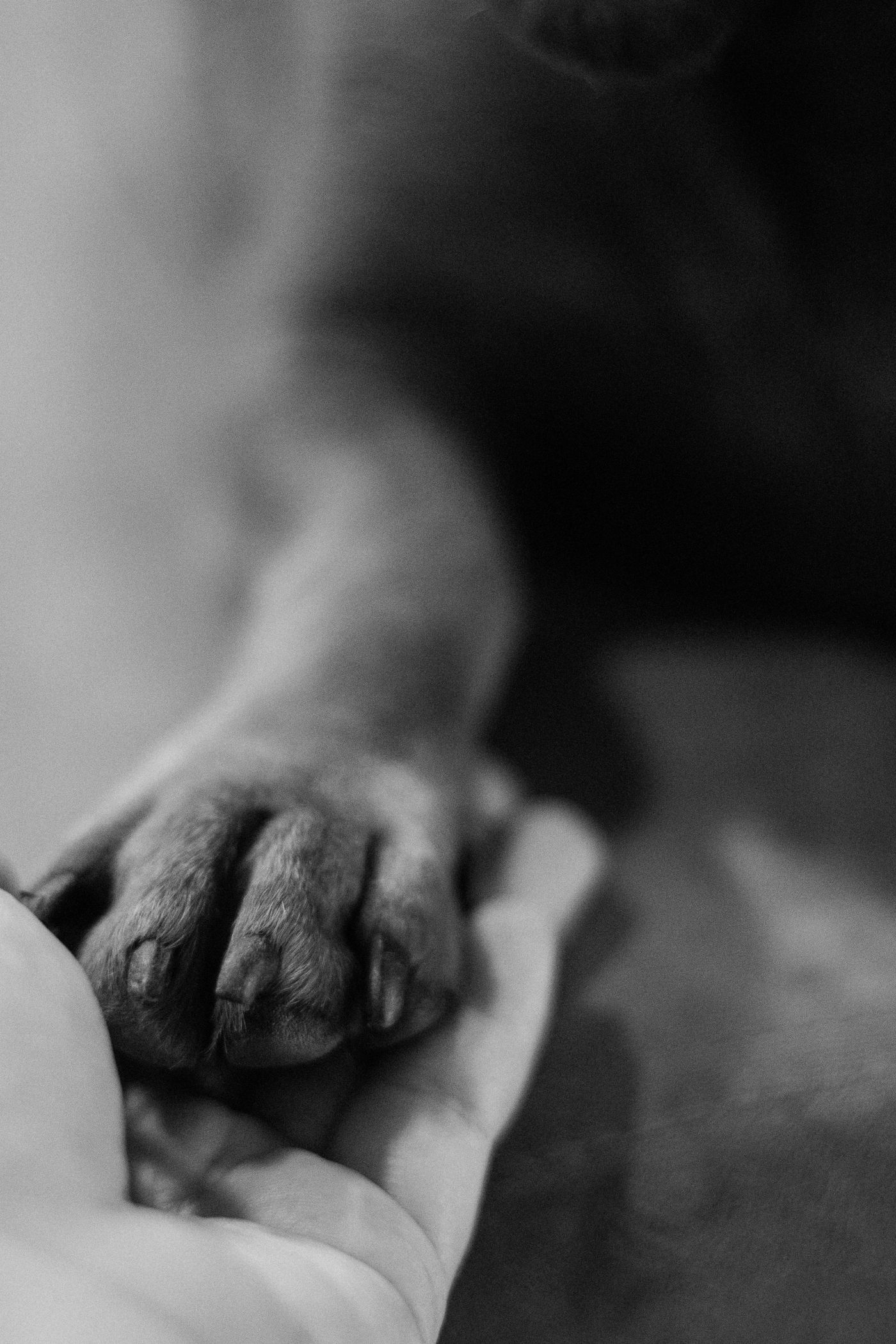
The lower back, tail base, paws and belly may be sensitive. Rolling over does not always mean an invitation for a belly rub, especially if the body is tense.
Pause and check
After a few seconds, stop. A relaxed dog that moves closer may welcome more. Head turning, lip licking, stiffness, retreat or sudden stillness suggests it is time to give space. Notice the whole body rather than treating one signal as a rule.
Keep affection separate from obedience
Petting can be a reward for a dog that enjoys it in that moment, but it does not automatically create reliable behavior. Training still needs clear cues and appropriate reinforcement.
New sensitivity or avoidance of touch can indicate pain. If your dog's preferences change suddenly, arrange a veterinary check.
ONE THING TO TAKE WITH YOU
Pet briefly, pause and let your dog's response decide whether the interaction continues.
FURTHER READING
Editorially checked on 23 November 2026. Sources are provided for further reading; this is not an individual veterinary assessment.