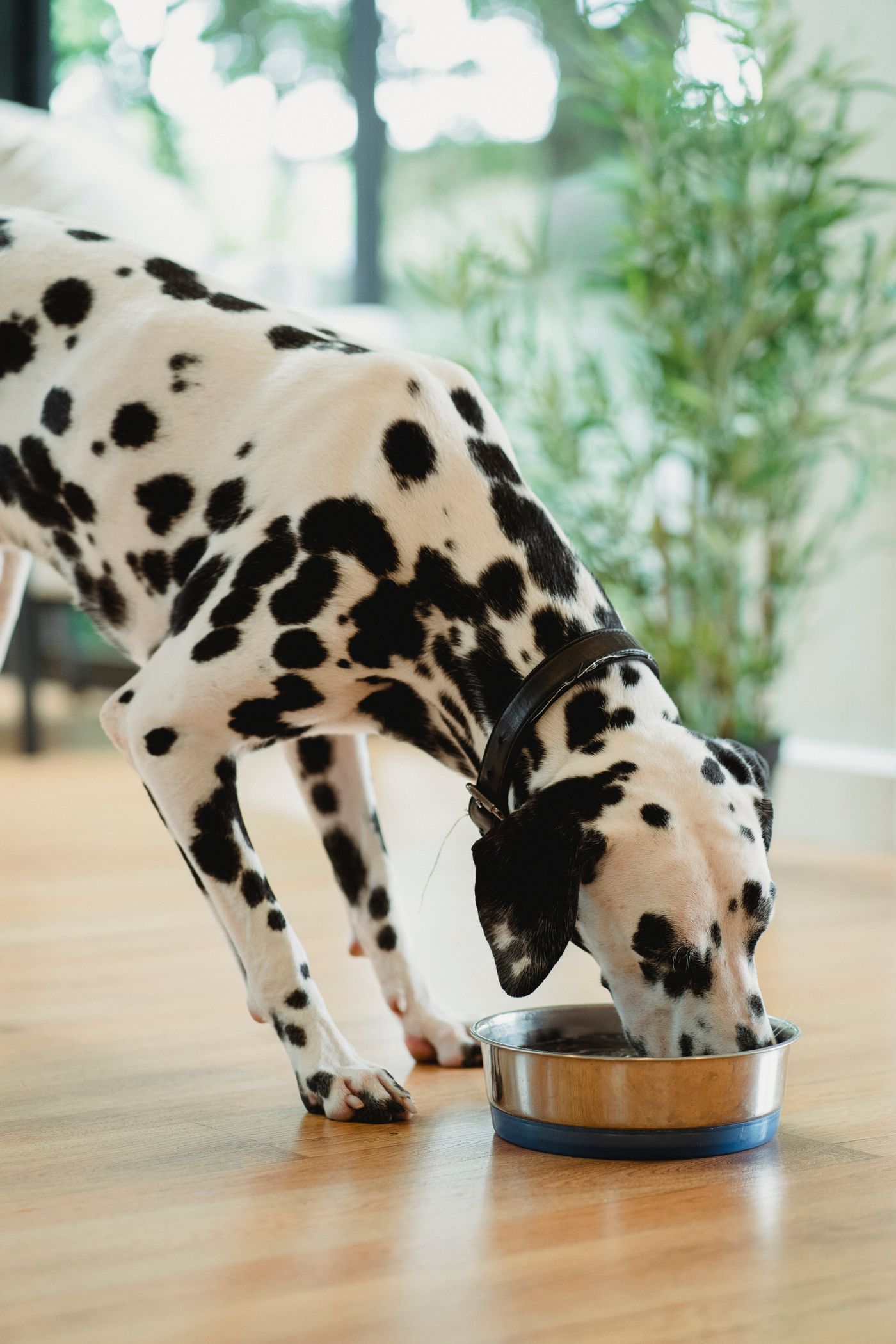
Everyday feeding is one part of helping a dog enjoy a comfortable life. Balanced meals, sensible extras, regular movement and preventive care work together; no individual food can guarantee a particular lifespan. Use the main diet as your foundation and introduce optional foods thoughtfully.
Keep the main meal complete
Choose a complete and balanced food suited to your dog's life stage. Extras should complement that diet, with treats generally making up no more than a tenth of daily calories. A dog with a medical condition may need a different plan agreed with its veterinarian.
Twelve simple extras, served thoughtfully
- Plain cooked pumpkin adds a little fiber; it is not a treatment for persistent diarrhea.
- Cooked sweet potato offers variety, but portions should stay small.
- Carrot can be served cooked or cut into safe, manageable pieces.
- Fully cooked egg, including white and yolk, can be an occasional treat.
- Plain cooked chicken should be boneless and free of seasoning.
- A small amount of cooked broccoli may suit some dogs; excess can cause gas.
- Plain cooked cabbage is another optional vegetable, without special tear-stain benefits.
- Apple pieces need the core and seeds removed.
- A few blueberries make convenient small rewards.
- Plain yogurt is optional only if tolerated and free of xylitol or other unsafe ingredients.
- Banana is an occasional sweet treat, not a remedy for constipation.
- Cucumber pieces offer a crisp, low-calorie change of texture.
Introduce one change at a time
Offer a small amount and watch appetite, stool and comfort. Cut food for your dog's size and eating habits, and stop anything that causes digestive upset. Avoid seasoned leftovers, cooked bones, grapes, raisins, chocolate, onions and xylitol.
The most valuable routine extends beyond the bowl. Keep your dog lean, arrange preventive veterinary care, make room for daily movement and notice changes early. Consistent attention matters more than a collection of fashionable supplements.
ONE THING TO TAKE WITH YOU
Build the diet around complete food; use simple extras sparingly and individually.
FURTHER READING
Editorially checked on 23 November 2026. Sources are provided for further reading; this is not an individual veterinary assessment.