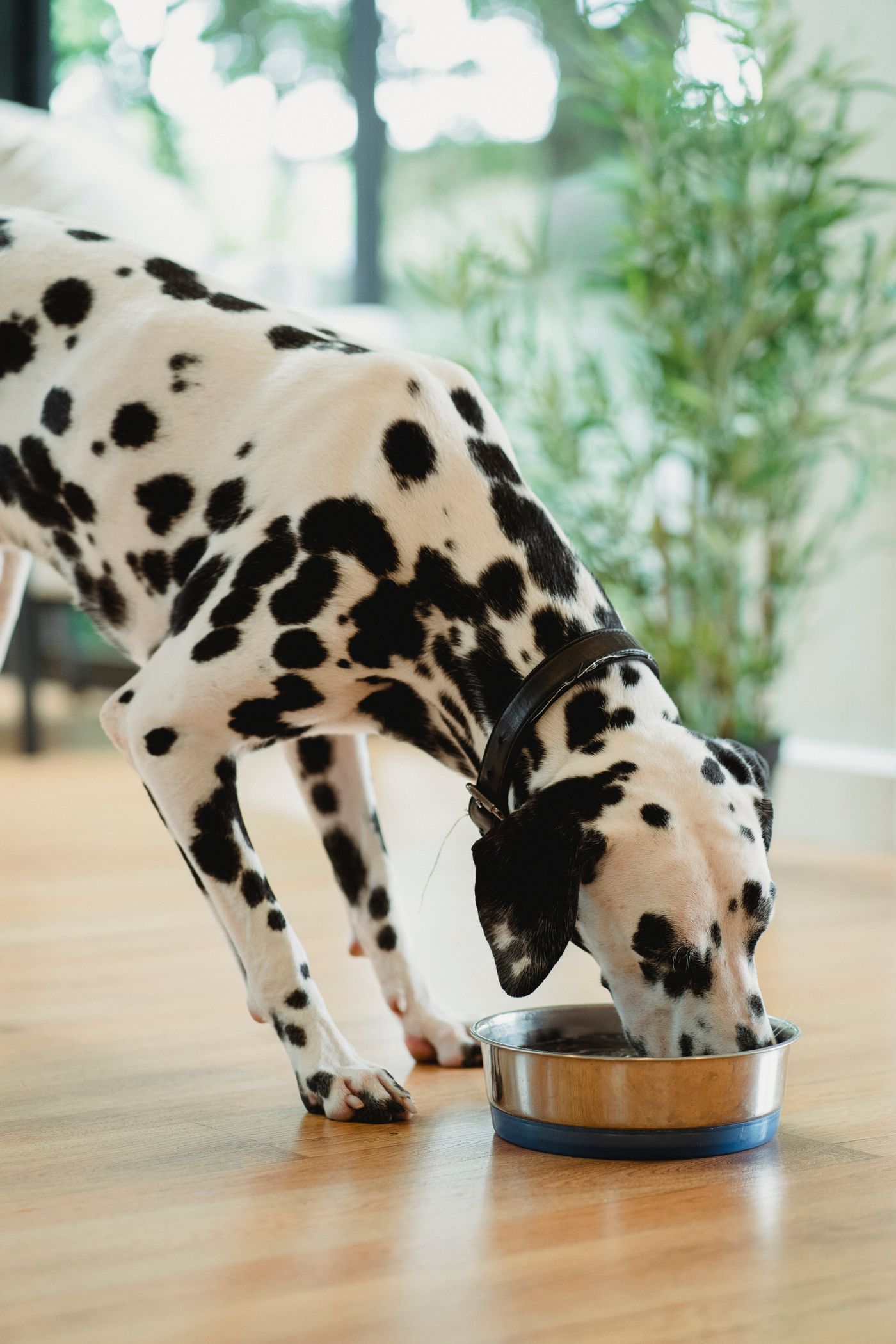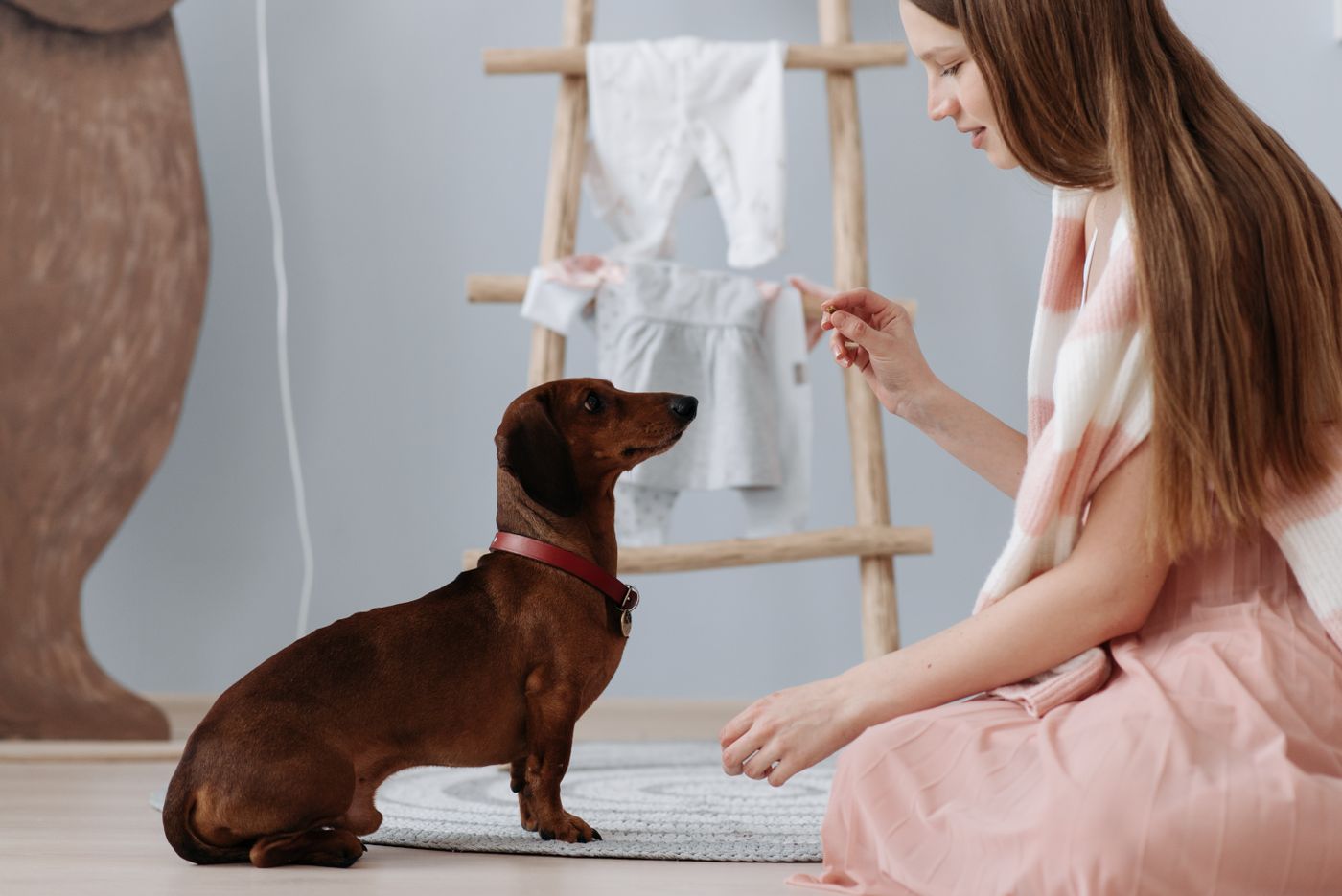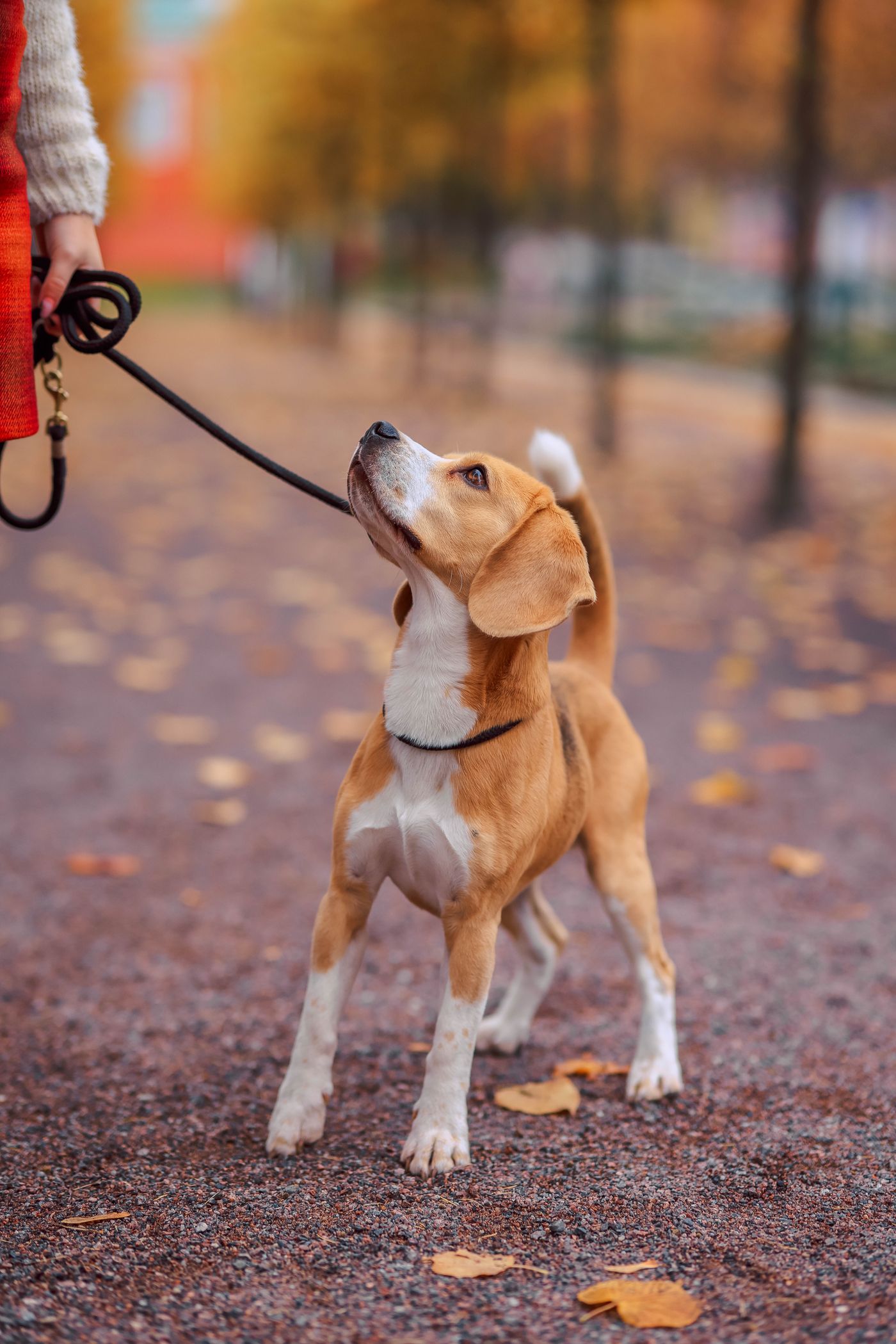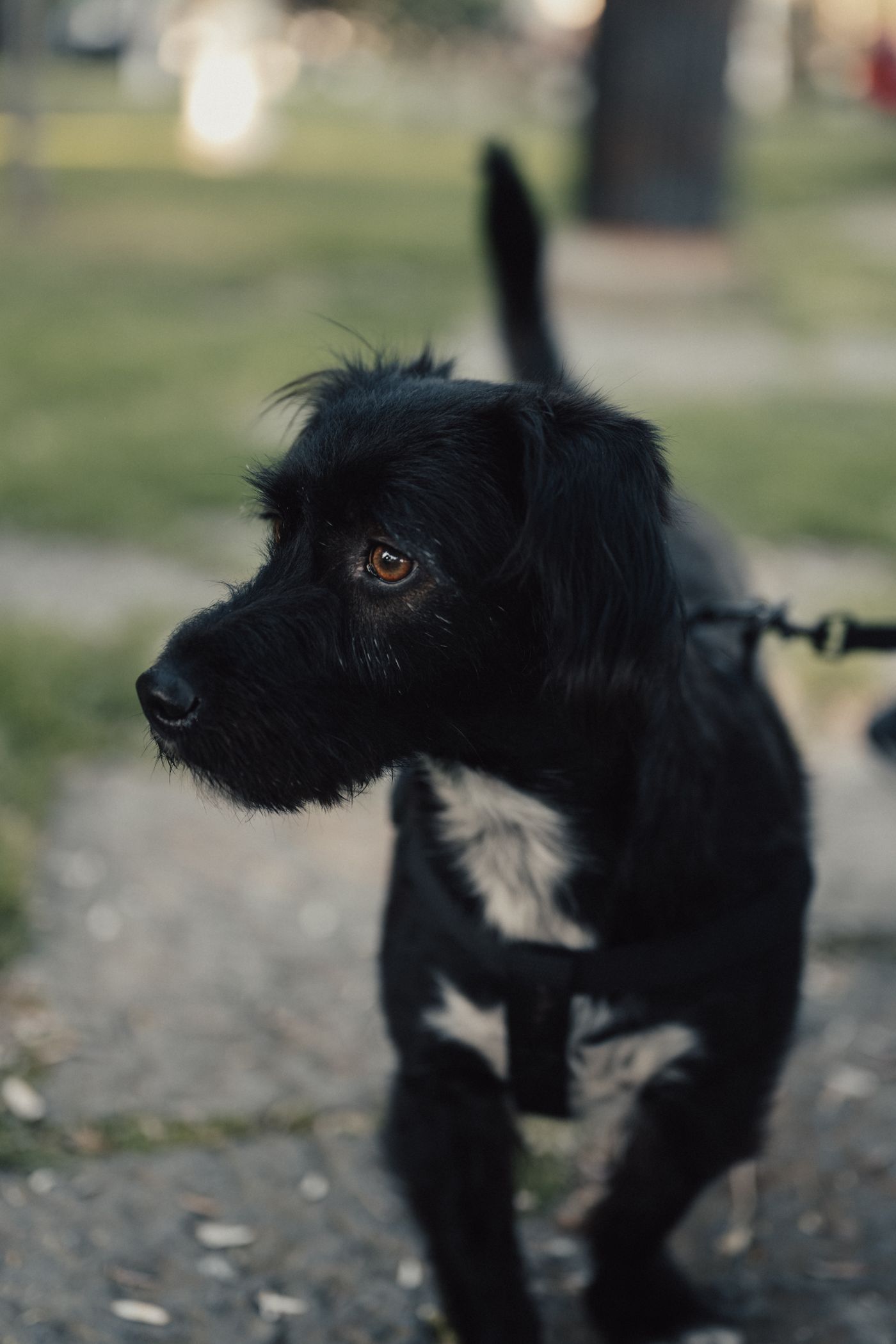
A dog experiences a walk through information as well as distance. The time spent investigating a familiar tree can be a worthwhile part of the outing. Balance comfortable movement with opportunities to sniff, and let the surroundings and your dog's recovery guide the plan.
Begin with a moment to settle
Choose a safe starting area and allow time to look around, sniff and toilet. A dog leaving a busy building may need distance from traffic or other animals before it can walk comfortably. Keep the lead manageable without pulling the dog through every pause.
Alternate purpose and freedom
Use a short stretch of steady walking where the route requires it, then invite exploration in a safe patch of grass. Reward easy check-ins and use a consistent cue when it is time to move on. The balance can change from one day to the next.
A puppy, an older dog and a healthy adult do not need identical distances. Breed can offer context, but age, fitness, health and the individual dog's responses matter more than a standard mileage target.
Read the environment
Avoid sharp debris, discarded food and crowded routes that overwhelm your dog. In warm weather, choose shade and shorten the outing; in wet or cold conditions, consider coat, footing and comfort. Equipment should allow comfortable movement and stay secure.
Notice the recovery
After the walk, observe how your dog settles. Repeated limping, unusual exhaustion or a new reluctance to leave home deserves attention. Record when these changes occur and discuss them with your veterinarian.
A good walk need not be impressive on a map. It should leave your dog with its needs met and enough energy to return home comfortably.
ONE THING TO TAKE WITH YOU
Build the route around safe exploration and your dog's condition, rather than distance alone.
FURTHER READING
Editorially checked on 23 November 2026. Sources are provided for further reading; this is not an individual veterinary assessment.