A weekend grooming reset can be useful without becoming a long endurance test. Prioritise the tasks that matter and divide them into short sessions your dog can manage. Consistency across comfortable moments is more useful than an occasional attempt to do everything.
Start with a quick check
After an appropriate walk and a chance to rest, look at the coat, paws, nails, ears and equipment. Notice what needs attention now and what can wait. Exercise should meet the dog's needs, not exhaust it into tolerating handling.
Brush in small sections
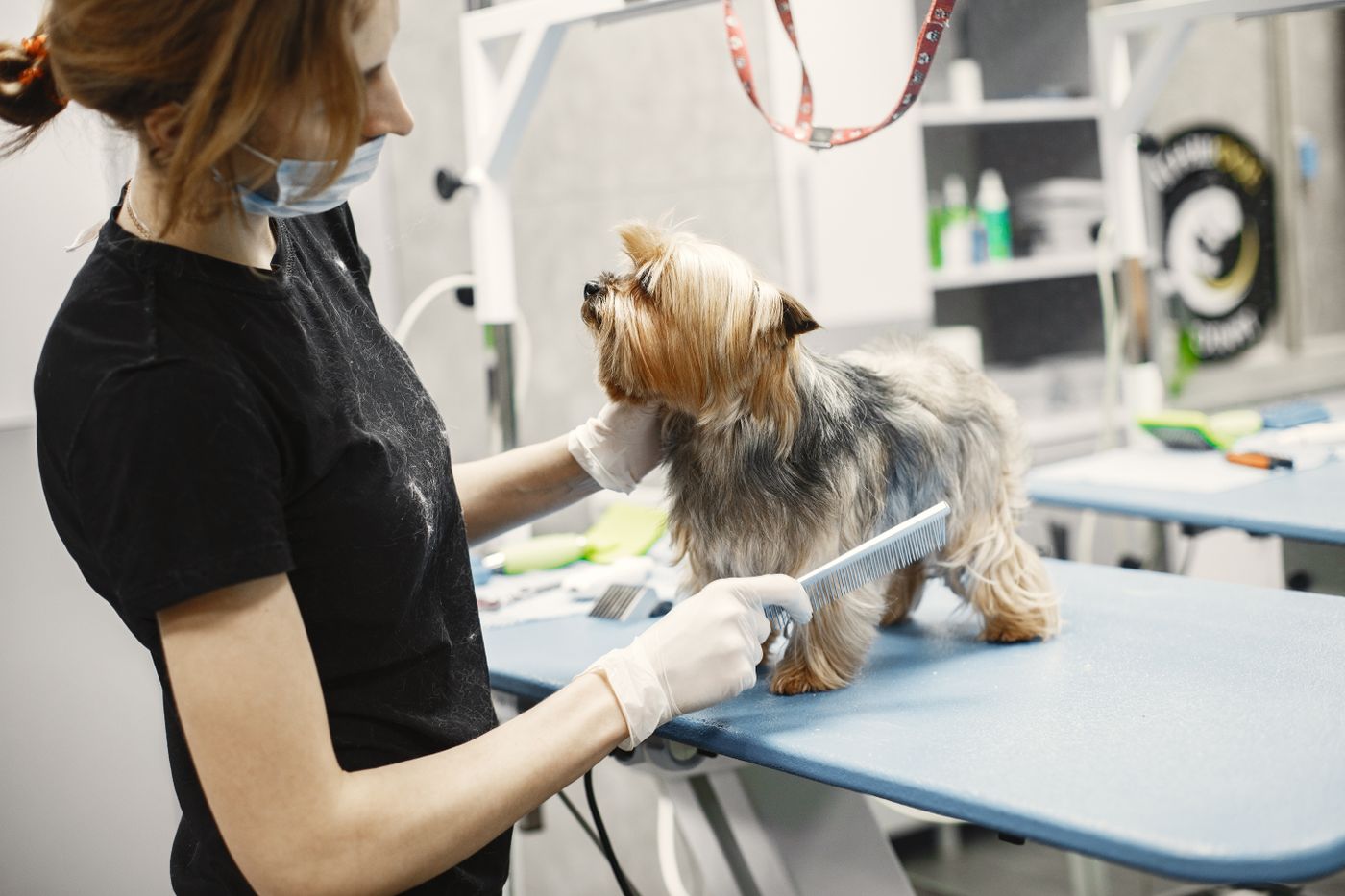
Use a tool suited to the coat and a stable surface. Work gently, reward cooperation and stop before irritation builds. Leave tight mats to a professional rather than pulling or cutting close to the skin.
Choose one handling challenge
If nails need attention, trim only what you can manage safely and confidently. Several calm sessions may be better than finishing every nail today. Do not restrain the dog on an unstable high surface to prevent escape.
Ear cleaning should be appropriate to the animal, and routine anal-gland expression is not a universal grooming requirement. Ask your veterinary team about discomfort, odor or recurrent problems.
Bathe only when useful
If a bath is needed, prepare first, rinse fully and dry comfortably. Wash bedding separately so the dog has a clean, dry place to settle afterward.
End with an ordinary pleasant activity and rest. The measure of success is useful care completed without distress, not a checklist with every box filled in one afternoon.
ONE THING TO TAKE WITH YOU
Prioritize the needed tasks and divide difficult handling into short, positive sessions.
FURTHER READING
Editorially checked on 23 November 2026. Sources are provided for further reading; this is not an individual veterinary assessment.