A lasting toothbrushing habit needs to be comfortable enough to repeat. Pain or oral changes should be assessed before a brush is forced into the mouth. Begin with suitable equipment, a gradual handling plan and realistic expectations about home care.
Gather simple equipment
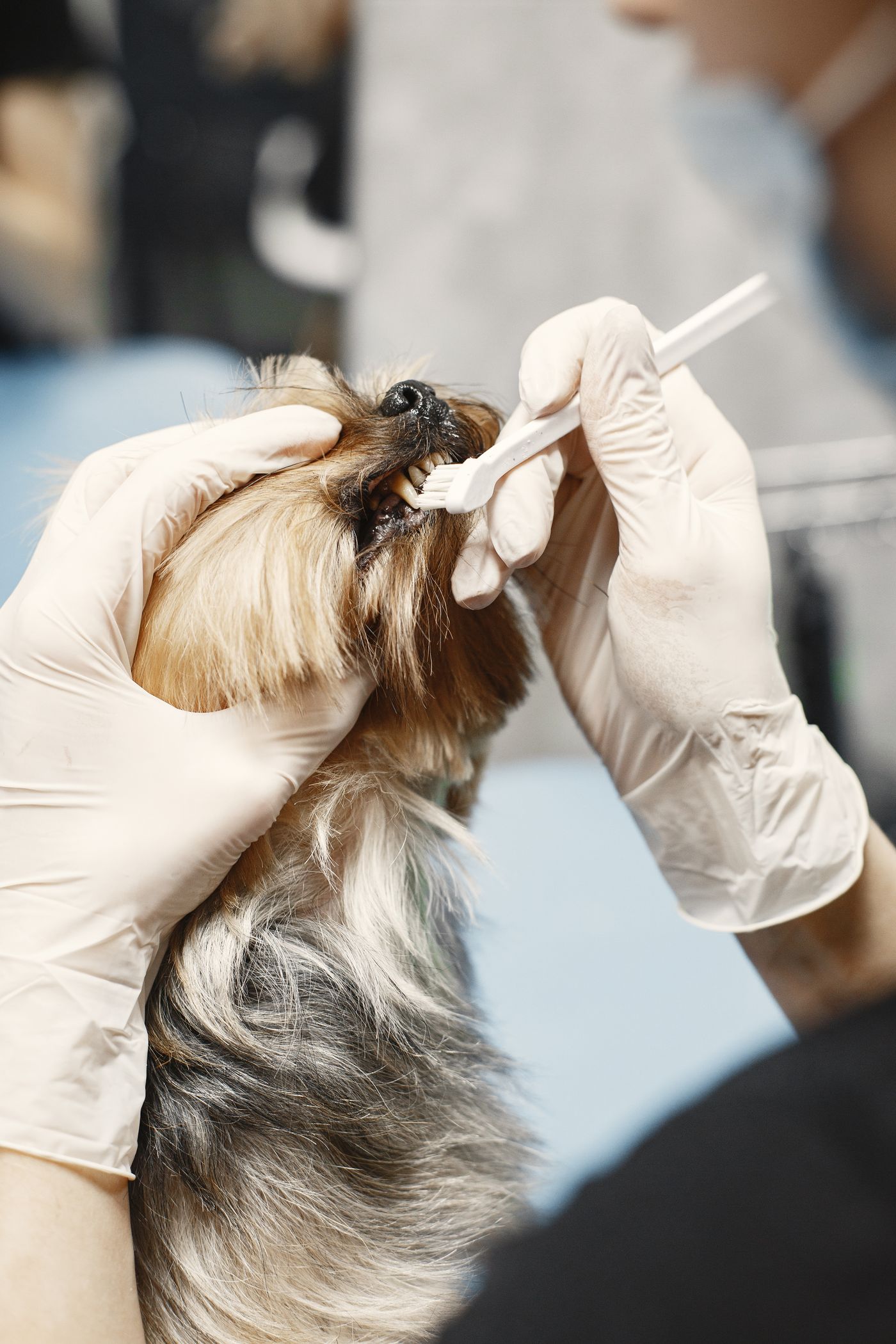
Use a soft pet toothbrush sized for your dog and toothpaste intended for pets. Human toothpaste is inappropriate. Choose a quiet time, a comfortable position and a small reward your dog can enjoy.
Teach the steps separately
First reward a brief touch near the cheek. Progress to lifting a lip, tasting toothpaste and allowing the brush near the mouth. Keep each stage short and move on only when your dog is relaxed.
Begin with a few easy-to-reach outer tooth surfaces. Use gentle movements near the gumline without scrubbing sore tissue or forcing the jaws apart. Gradually extend the area as cooperation improves.
Aim for consistency
Daily plaque control is a useful goal, but a rushed struggle does not build that habit. If your dog becomes worried, return to an easier step. Record problems and ask the veterinary team to demonstrate technique if needed.
Keep expectations realistic
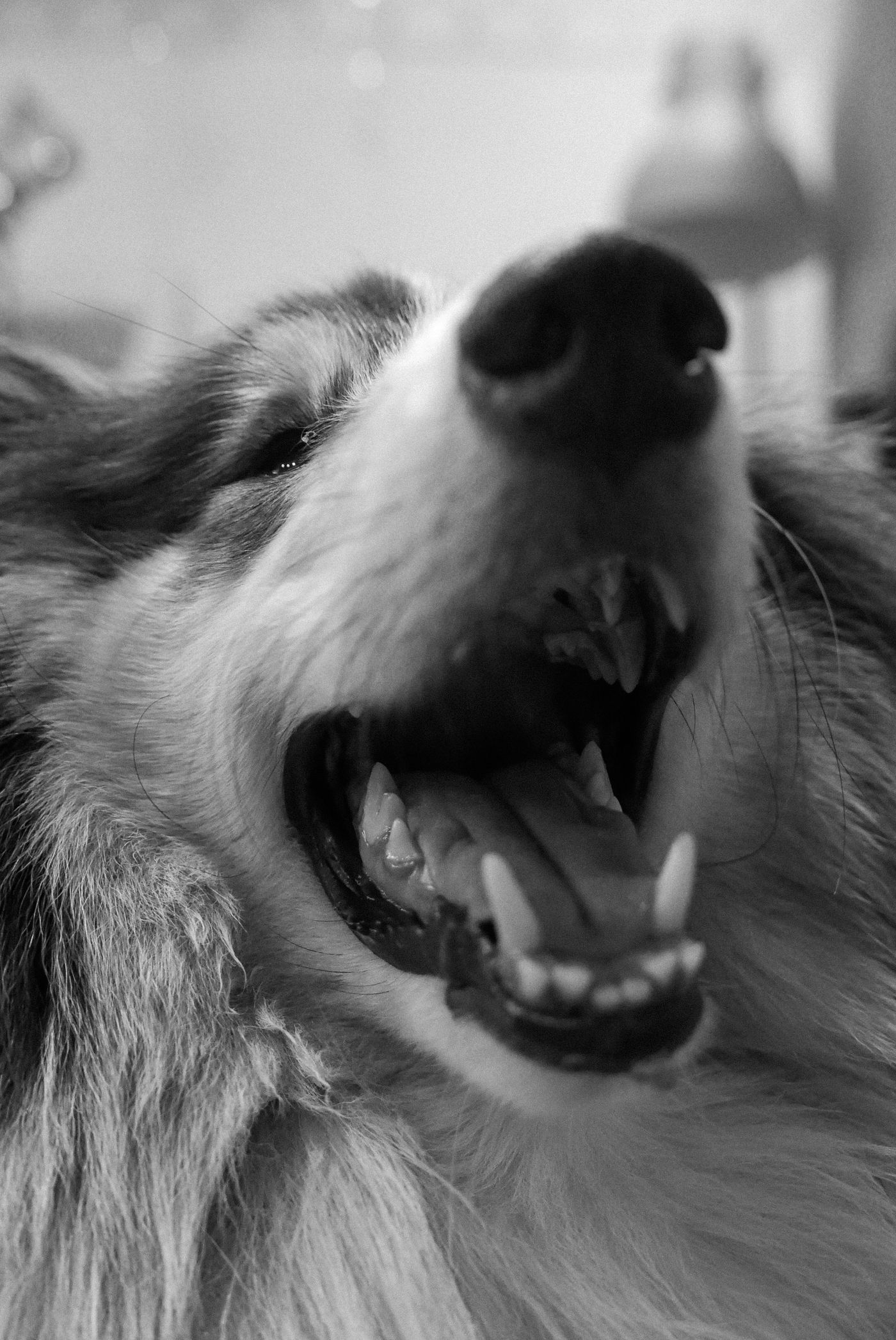
Brushing does not guarantee that dental disease will never occur. It cannot remove established calculus or diagnose problems below the gums. Professional examinations and treatment may still be needed.
Dental chews and other suitable products can support a plan, but should not be presented as universal substitutes. The outcome to aim for is a comfortable mouth, with home care and veterinary care working together.
ONE THING TO TAKE WITH YOU
Teach mouth handling gradually and combine daily brushing with appropriate professional care.
FURTHER READING
Editorially checked on 23 November 2026. Sources are provided for further reading; this is not an individual veterinary assessment.
General editorial information. Your veterinary team can advise on the needs and health of your individual pet.