Ear care begins with recognising what is normal for your individual pet. Not every healthy ear needs the same cleaning schedule. Notice new discomfort or changes before adding a product, and ask which care is appropriate when a problem appears.
Notice discomfort
Head shaking, scratching, redness, discharge, unusual odor or sensitivity can indicate a problem. A head tilt, loss of balance or severe pain warrants prompt veterinary advice. These signs cannot be diagnosed by color or smell alone.
Ask before treating
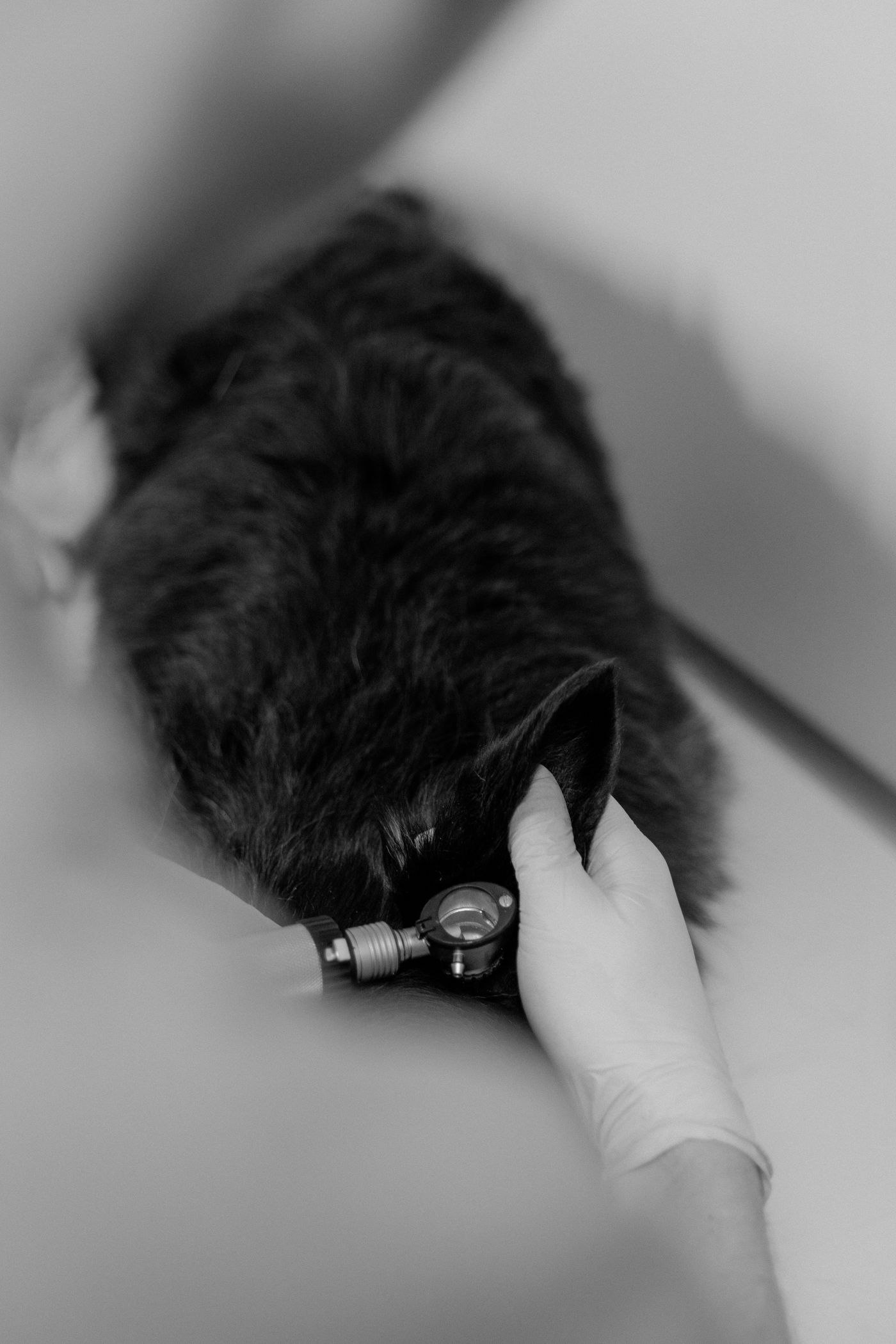
A veterinarian can examine the canal and determine what care is appropriate. Do not reuse leftover medication from a previous episode or another animal. Similar-looking symptoms may have different causes.
Keep routine handling gentle
If cleaning is recommended, use the specified pet product and ask for a demonstration. Avoid inserting cotton swabs deep into the canal, applying essential oils or pouring in household mixtures. Stop if the animal appears painful.
Dry the external ear gently after appropriate washing or swimming without probing inside. Dogs with recurrent problems may need a specific maintenance plan rather than simply more frequent cleaning.
Make checks comfortable
Reward brief, voluntary ear handling during calm moments. This helps you notice changes without turning every inspection into restraint. Record which ear is affected and when symptoms began so the clinic has a clearer history.
ONE THING TO TAKE WITH YOU
New odor, discharge or pain needs assessment; cleaning should follow the individual ear's needs.
FURTHER READING
Editorially checked on 23 November 2026. Sources are provided for further reading; this is not an individual veterinary assessment.
General editorial information. Your veterinary team can advise on the needs and health of your individual pet.