A home can need another safety check as a pet becomes bolder or the household changes. Look room by room from the animal's height for things it can chew, swallow, climb or open. Pet-proofing works best as a repeated habit rather than a completed shopping task.
Kitchen and bathroom
Secure food waste, medicines, cleaning products and sharp objects. Keep counters clear of dangerous foods and check that bins cannot be opened easily. Close appliance doors only after checking inside, particularly with curious cats nearby.
Living and sleeping spaces
Put cords, batteries, small toys, sewing materials and loose string out of reach. Inspect furniture mechanisms before reclining or folding them. Choose stable climbing and resting surfaces, and remove loops or gaps that can trap an animal.
Windows, balconies and entrances
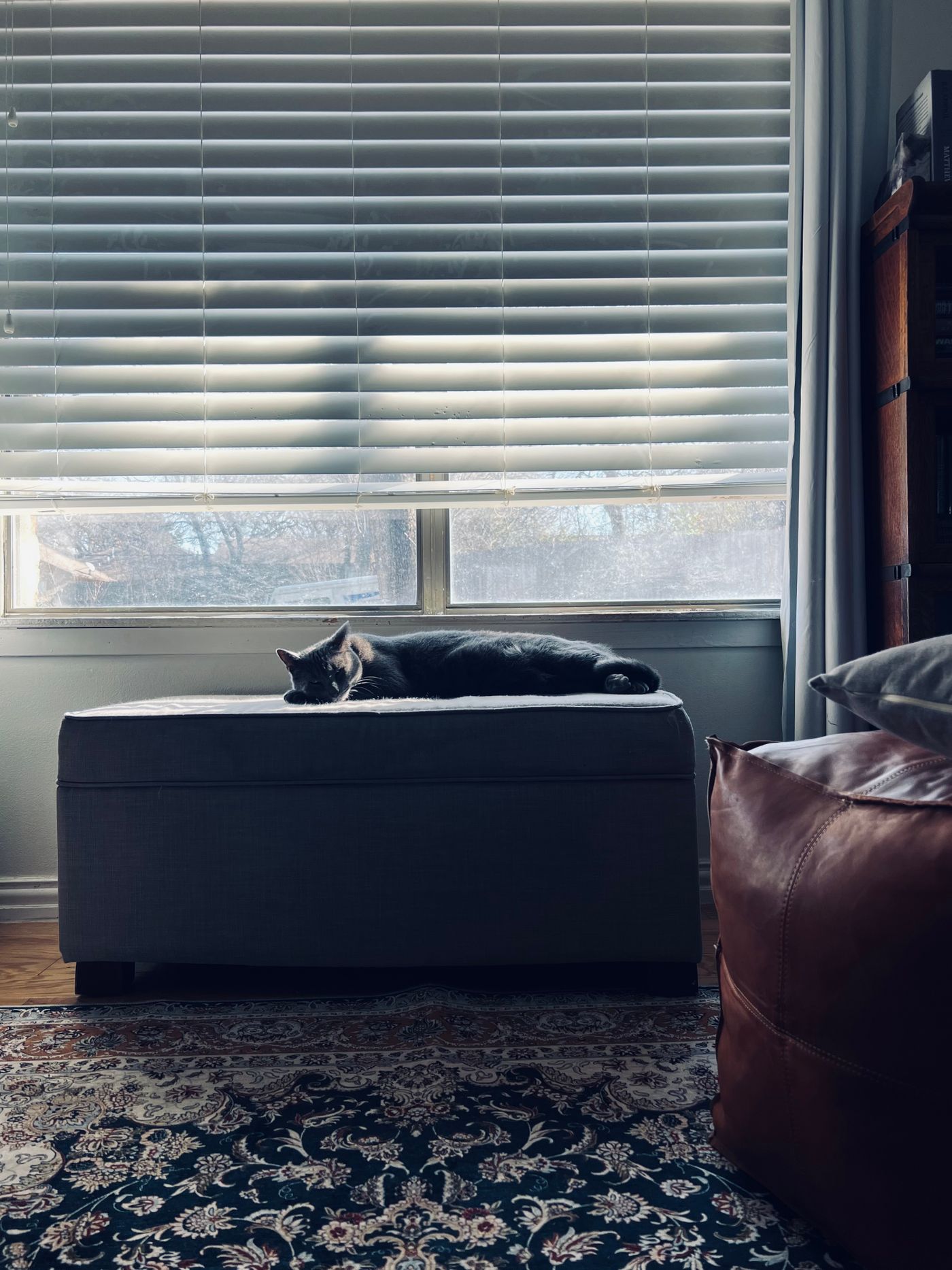
Use secure, properly fitted screens or barriers and check them regularly. A cracked window or a high floor does not remove fall risk. Plan door routines so deliveries and visitors do not create an easy escape route.
Plants and decorations
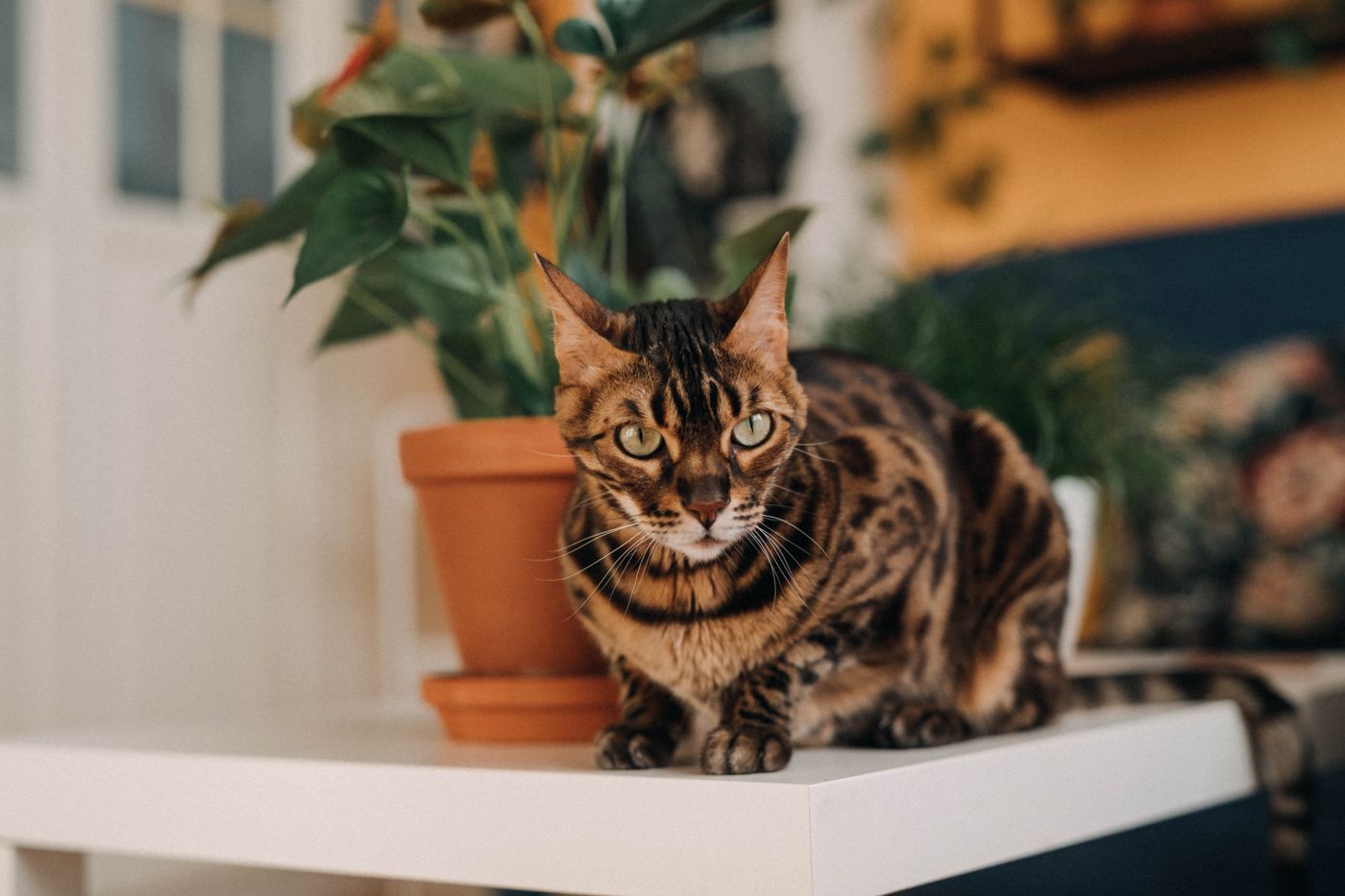
Identify plants by their botanical names and check species-specific toxicity before bringing them home. Keep candles, fragile ornaments and seasonal decorations beyond reach. Height alone is not a reliable barrier for a climbing cat.
Recheck after changes
Moving furniture, receiving gifts or starting a renovation creates new hazards. Give pets a safe, quiet area during disruption and inspect the room before restoring access.
Good management reduces the number of situations in which you need to say 'leave it.' Training is useful, but it should not be the only protection against a dangerous object.
ONE THING TO TAKE WITH YOU
Secure hazards physically and repeat the check whenever the household setup changes.
FURTHER READING
Editorially checked on 23 November 2026. Sources are provided for further reading; this is not an individual veterinary assessment.