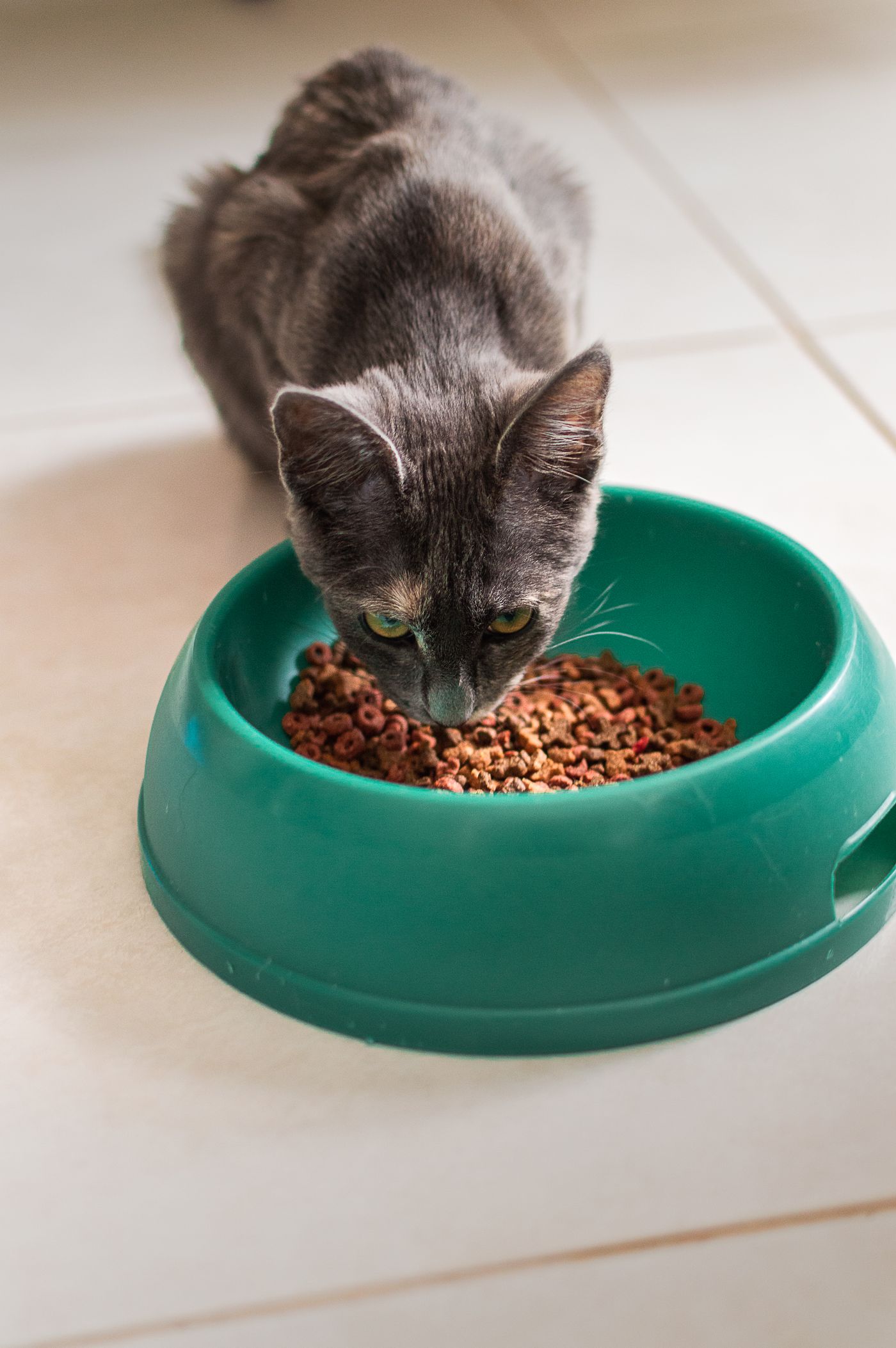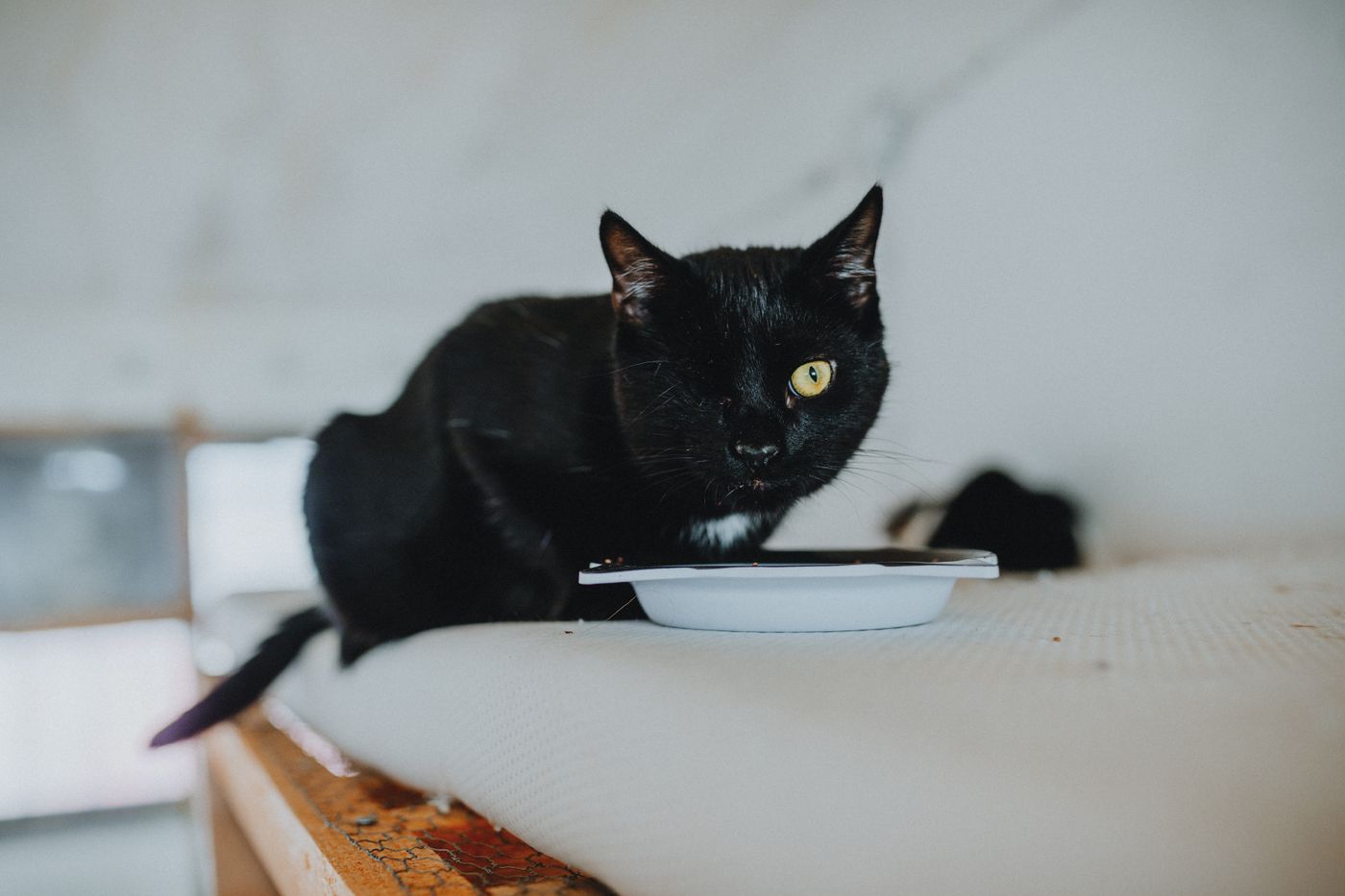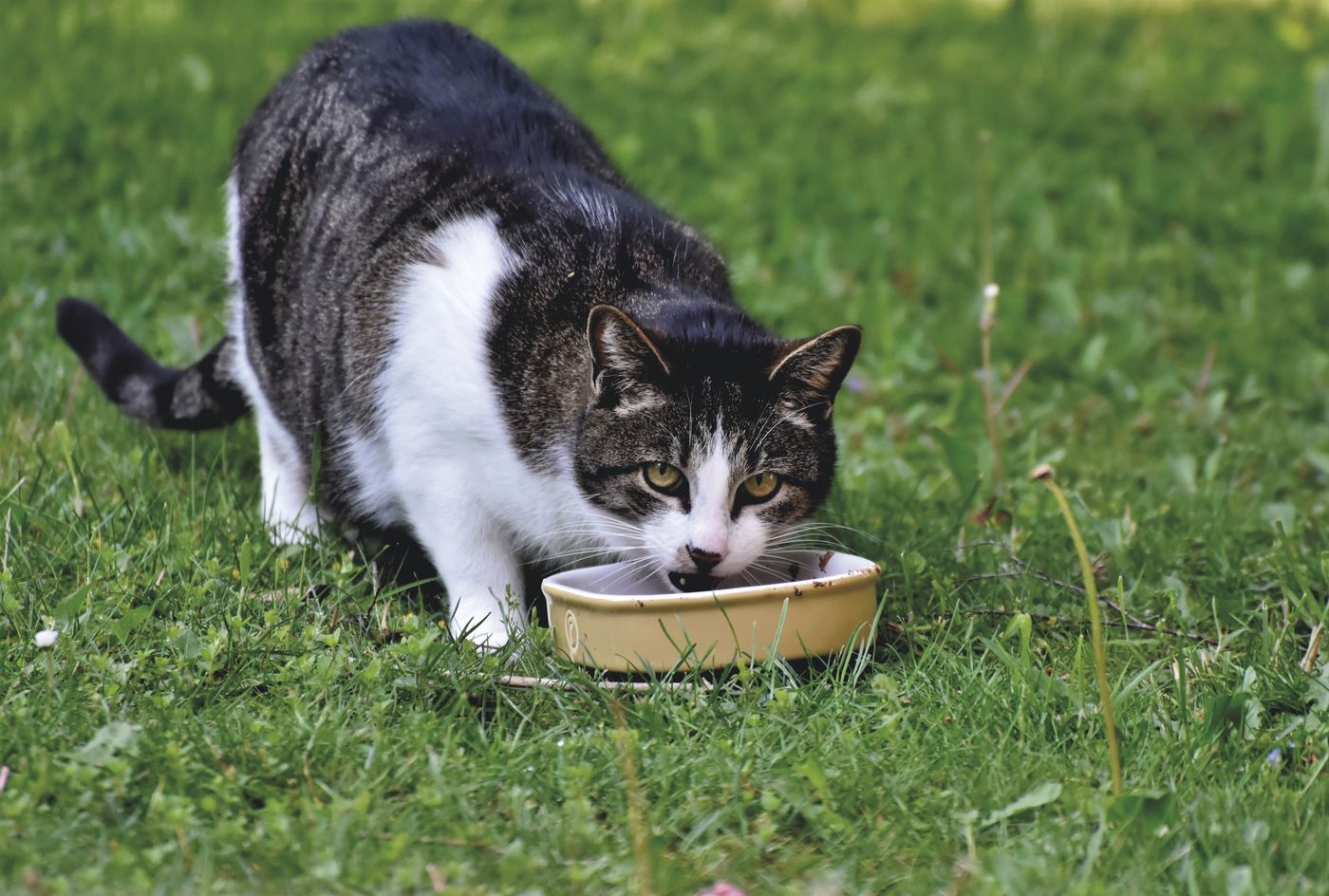
Knowing the reason for a food change makes the outcome easier to assess. Life stage, availability, preference and medical needs may each lead to a different plan. Avoid changing several things together so any response can be interpreted more clearly.
Confirm the destination
Choose a complete food appropriate for the species and life stage, or follow the veterinary plan for a therapeutic diet. Compare calorie density so the new portion is not simply copied gram for gram from the old food.
Introduce gradually when appropriate
For many healthy pets, a gradual change over several days helps make the transition manageable. Begin with a small proportion of the new food and increase as tolerated. Some medical situations need a different schedule, so follow the treating veterinarian's instructions.
Cats may prefer a separate small dish of the new food rather than having an unfamiliar texture mixed into every meal. Preserve adequate intake while exploring acceptance.
Keep other variables steady
Avoid adding multiple new treats, supplements or toppers at the same time. Record appetite, vomiting, stool and general comfort. A simple log is more useful than trying to remember which meal seemed different.
Know when to pause
Persistent digestive upset, marked lethargy or refusal to eat calls for veterinary advice. Do not force a cat to accept a new food through prolonged fasting.
Once the transition is complete, recheck body condition and portion size. A successful change provides suitable nutrition in an amount the pet can maintain comfortably, not merely a different flavor in the bowl.
ONE THING TO TAKE WITH YOU
Change for a clear reason, account for calories and preserve adequate intake throughout the transition.
FURTHER READING
Editorially checked on 23 November 2026. Sources are provided for further reading; this is not an individual veterinary assessment.
General editorial information. Your veterinary team can advise on the needs and health of your individual pet.