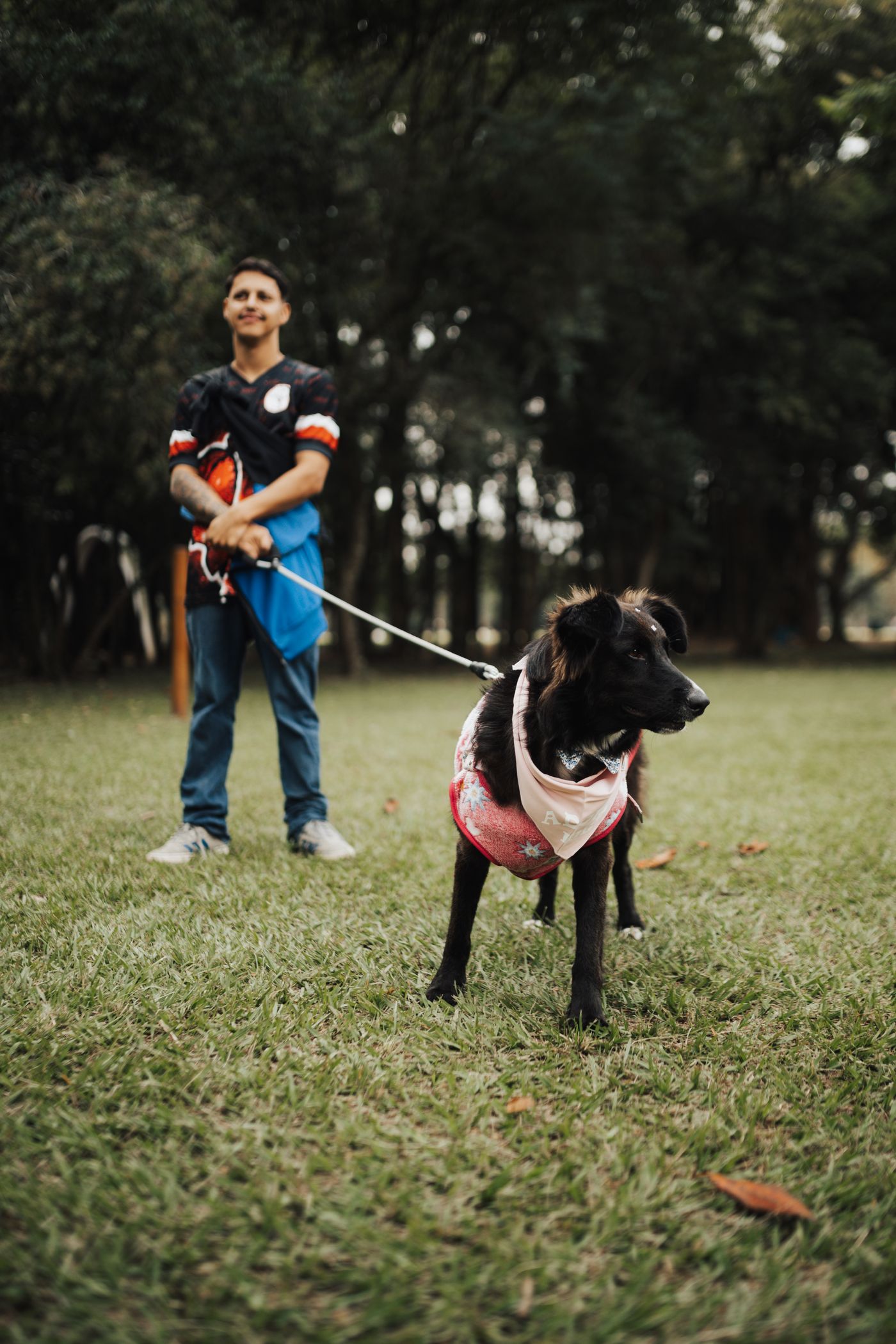
Packing for pet travel begins with the particular journey. Health needs, weather, destination rules and time away determine which supplies matter most. Put essential documents and everyday care items where they can be reached without unpacking the whole bag.
Secure the journey
Bring a suitable carrier or vehicle restraint, well-fitted walking equipment and readable identification. Check microchip contact details and keep a recent photograph. Confirm transport-provider and accommodation requirements directly before departure.
Preserve the familiar routine
Pack the usual complete food in measured portions, drinking water, bowls and any prescribed medication with clear instructions. Bring familiar bedding and cleaning supplies. Cats need an appropriate litter arrangement, and dogs need planned toilet stops.
Avoid introducing a new diet, new chew and unfamiliar medication all on the day of travel. Discuss motion sickness or travel anxiety with your veterinarian in advance.
Add for the conditions
A towel, weather-appropriate protection and a simple enrichment toy can be useful. Goggles, coats or boots should solve a specific need and be introduced beforehand; they are not essential for every pet or every outing.
Keep a care folder
Store vaccination and health records where needed, emergency contacts and the address of veterinary care near your destination. Add a basic first-aid kit and enough information for another adult to help if plans change.
Plan breaks and a quiet arrival space. Never leave an animal unattended in a parked car. The best travel gear supports a realistic itinerary with room to stop, rest or return home.
ONE THING TO TAKE WITH YOU
Prioritize secure transport, familiar care and destination requirements before optional accessories.
FURTHER READING
Editorially checked on 23 November 2026. Sources are provided for further reading; this is not an individual veterinary assessment.