A gesture that feels affectionate to a person may be uncomfortable for a dog. Preferences differ between individuals and situations, so look at the choices your dog makes when it can leave. These eight habits are worth reconsidering from the animal's point of view.
Eight habits to reconsider
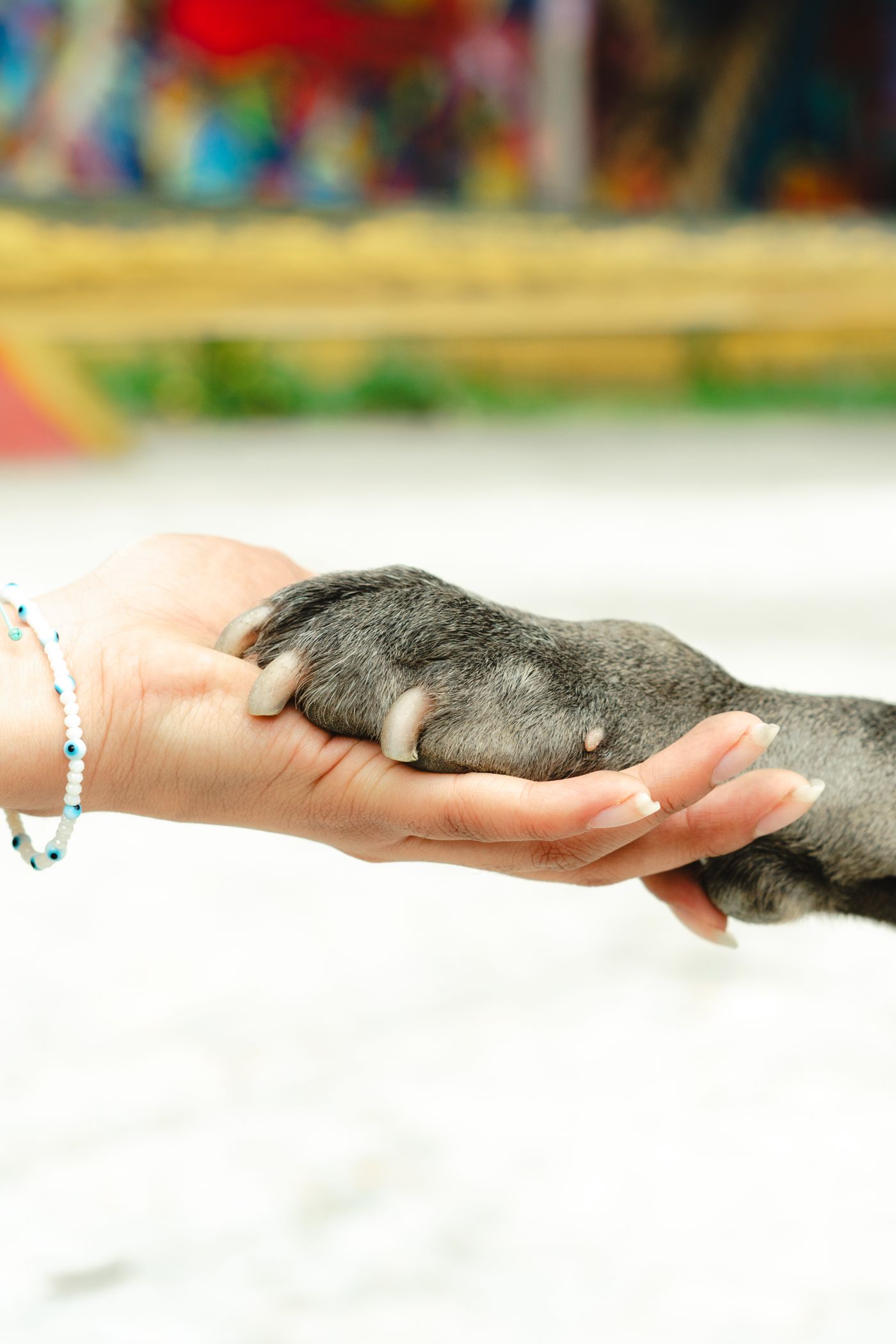
- Repeatedly squeezing paws or touching pads for amusement. Save necessary handling for brief, rewarded practice.
- Using prolonged social withdrawal as punishment. It does not explain the behavior you want instead.
- Pressing your face against the muzzle or blowing into the nose. Give the dog space around its face.
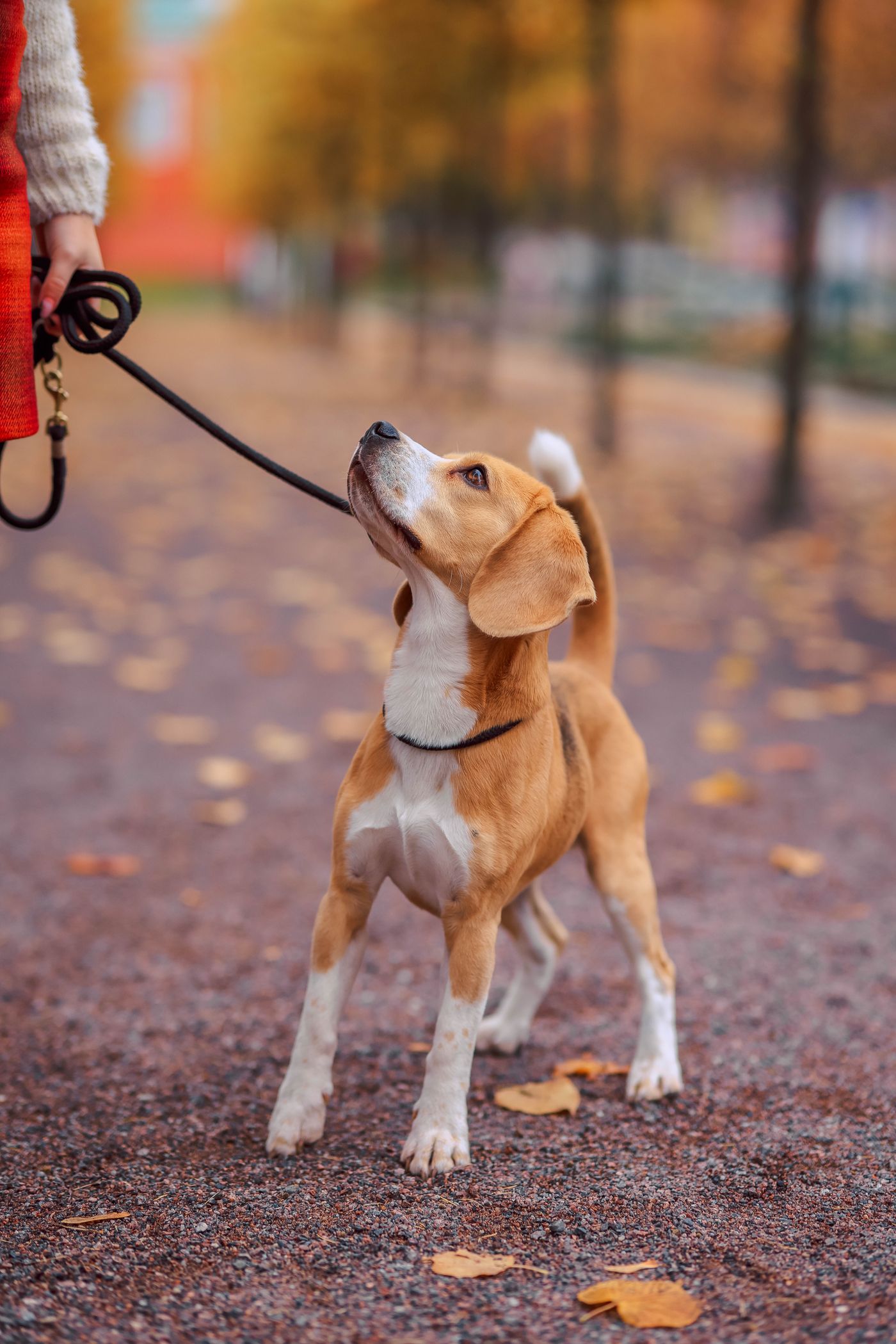
- Leaning over and staring closely. Approach gently from an angle and allow an exit.
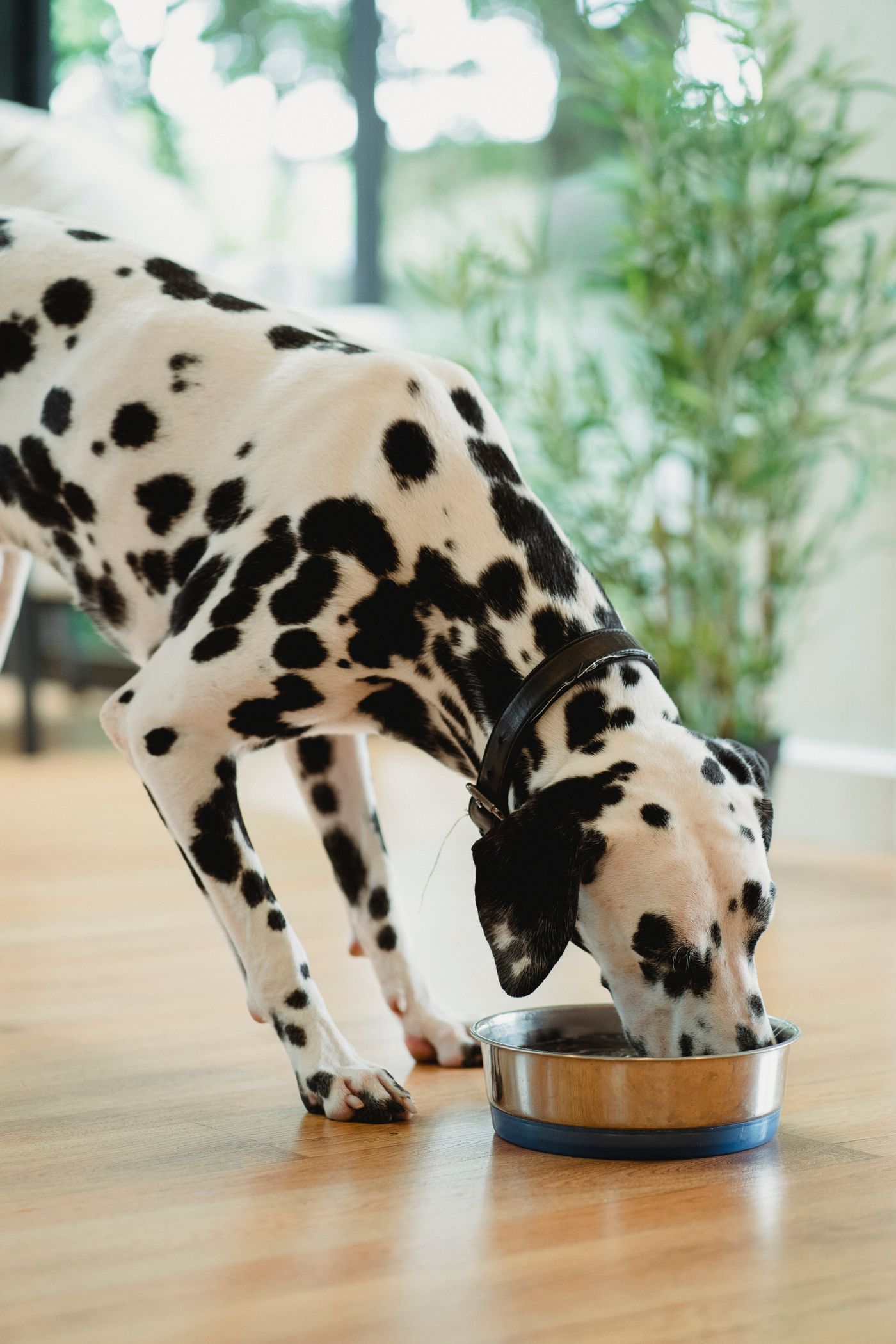
- Disturbing sleep or reaching into the food bowl. Protect quiet rest and peaceful meals.
- Pulling ears or tails, or squeezing the cheeks. These are sensitive body parts, not handles.
- Shouting or hitting after a mistake. Manage the situation and teach a rewarded alternative.
- Chasing for cuddles or holding a tight hug after the dog turns away. Let contact end.
Try a brief consent check
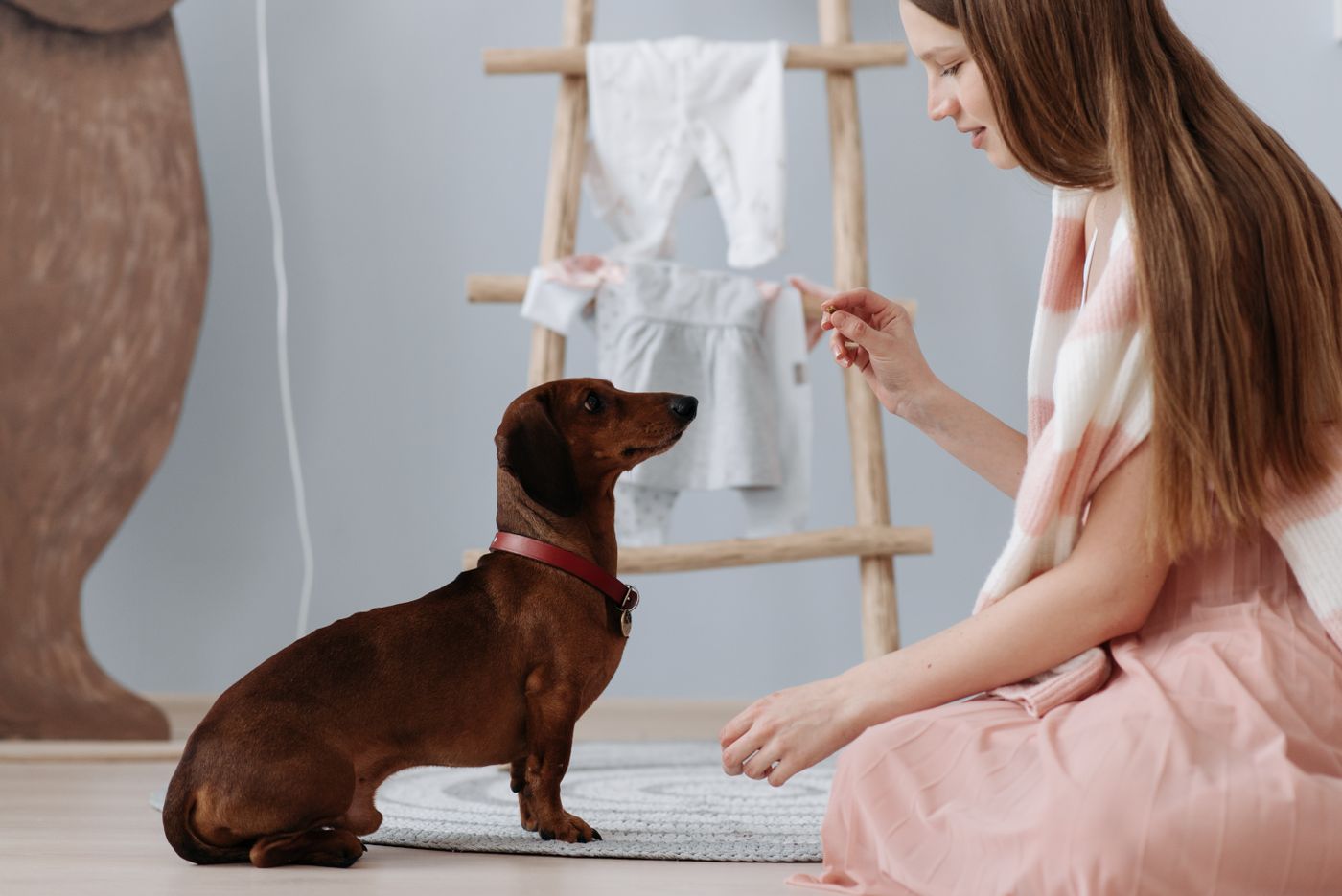
Invite the dog to approach, stroke a familiar comfortable area for a few seconds, then pause. A loose body and renewed approach suggest interest. Turning the head, moving away, stiffening or repeated lip licking may mean the dog wants a break. Read the signals together and in context.
Give children clear boundaries
Supervise interactions actively and provide a resting place that children do not enter. Teach gentle contact and respect for retreat. Never require a dog to tolerate uncomfortable handling to prove it is friendly.
A trusting relationship leaves room for different preferences. Sometimes the kindest way to show affection is to sit nearby and let your dog rest.
ONE THING TO TAKE WITH YOU
Invite contact, pause often and respect the dog's choice to move away.
FURTHER READING
Editorially checked on 23 November 2026. Sources are provided for further reading; this is not an individual veterinary assessment.