A trainer's methods influence how a dog feels as well as what it learns. Before making a booking, ask how ordinary difficulties are handled rather than relying on labels or dramatic videos. Specific questions reveal more about the approach and its limits.
Ask what happens when the dog struggles
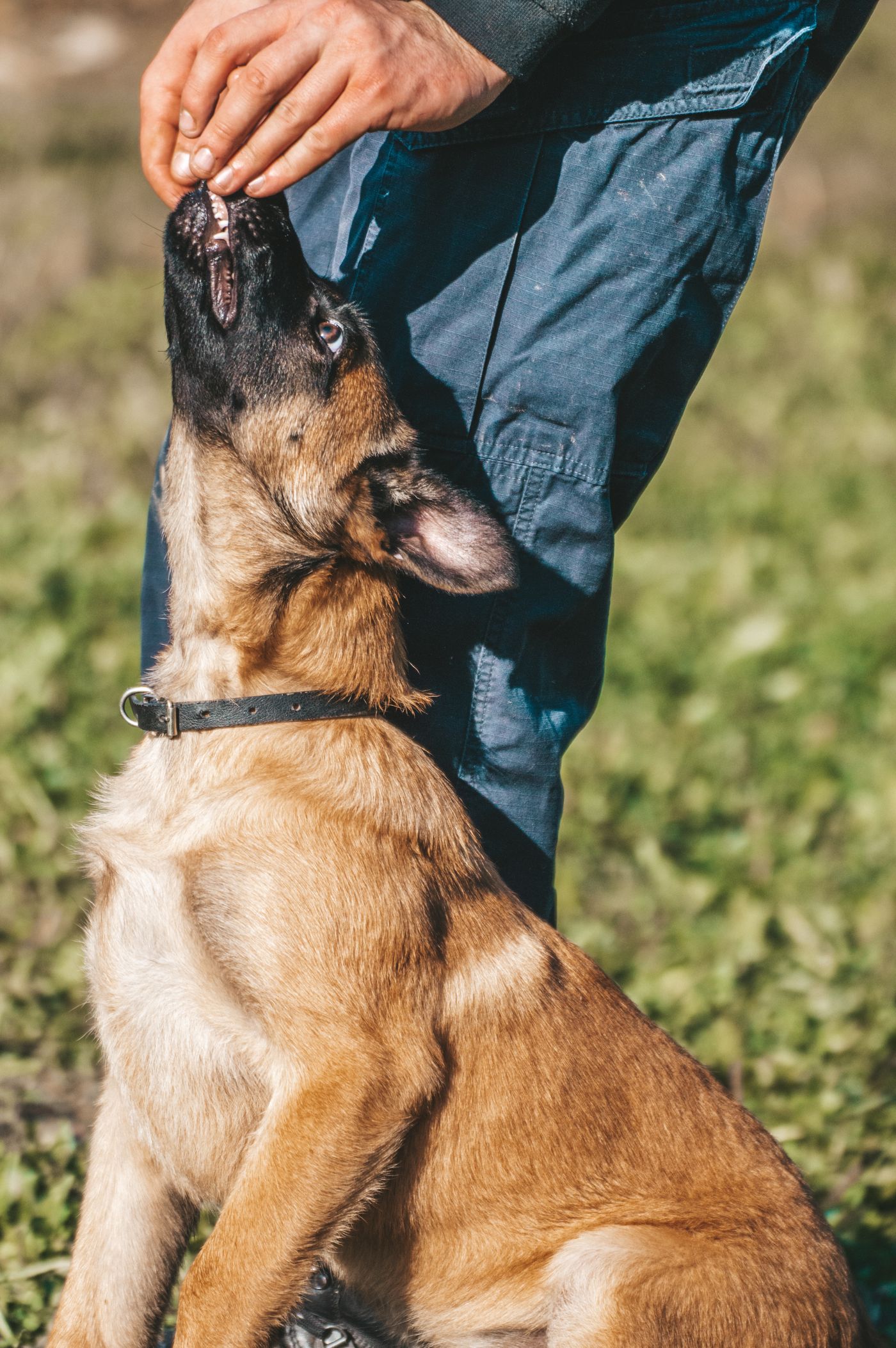
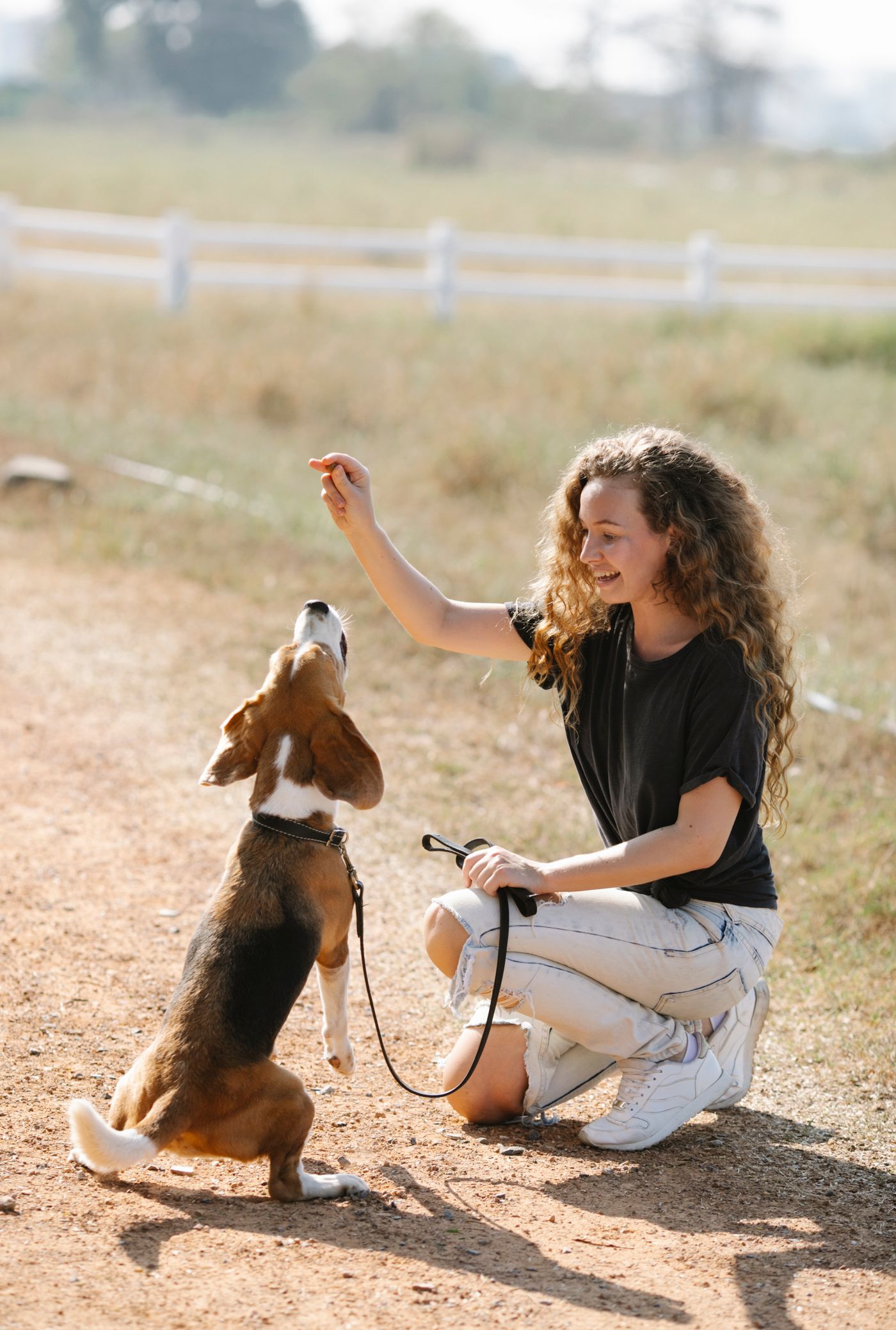
A useful answer should describe adjusting distance, distractions, timing or the task itself. Reward-based practice teaches alternatives and manages safety without relying on fear or pain. Ask directly about equipment and whether physical or intimidating corrections are used.
Check experience and scope
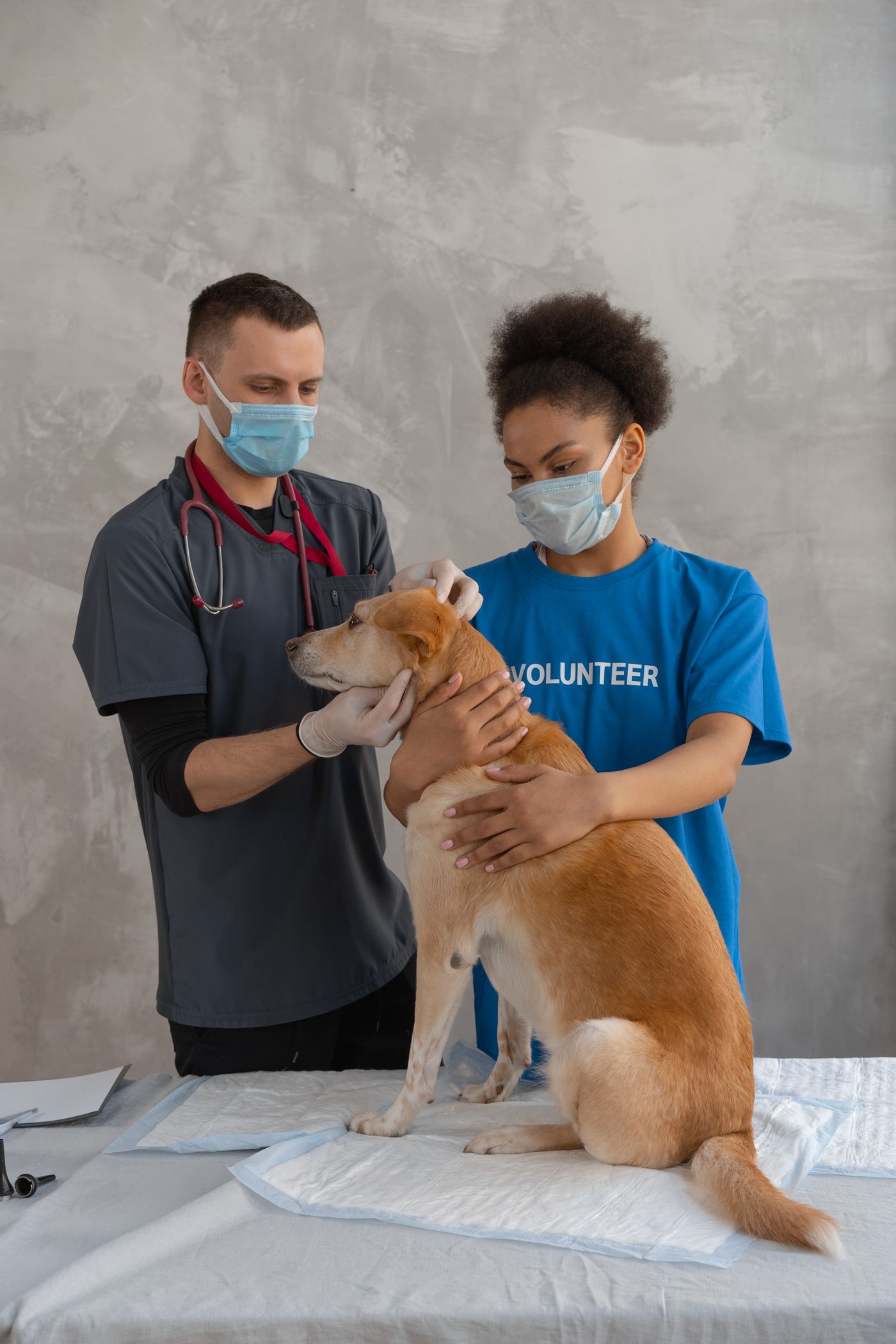
Ask about education, credentials and relevant case experience. A credential can be useful, but it does not replace a conversation about actual methods. Significant fear, aggression or separation distress may need coordination with a veterinarian or veterinary behavior specialist.
Look for a clear process
The professional should ask about health, history, household routines and your goals. You should understand what will be practiced, how progress will be assessed and what support is available between sessions.
Avoid promises of guaranteed results within a fixed number of days. Behavior depends on the individual animal and the environment.
Observe the learning atmosphere
Dogs should have appropriate space, breaks and tasks they can manage. Ask whether you can observe a suitable class or receive a clear explanation of a private-session plan.
Choose someone who explains decisions in plain language and welcomes questions. A good training relationship helps you understand your dog and continue the work confidently at home.
ONE THING TO TAKE WITH YOU
Ask about specific methods, realistic expectations and how the trainer responds to fear or difficulty.
FURTHER READING
Editorially checked on 23 November 2026. Sources are provided for further reading; this is not an individual veterinary assessment.