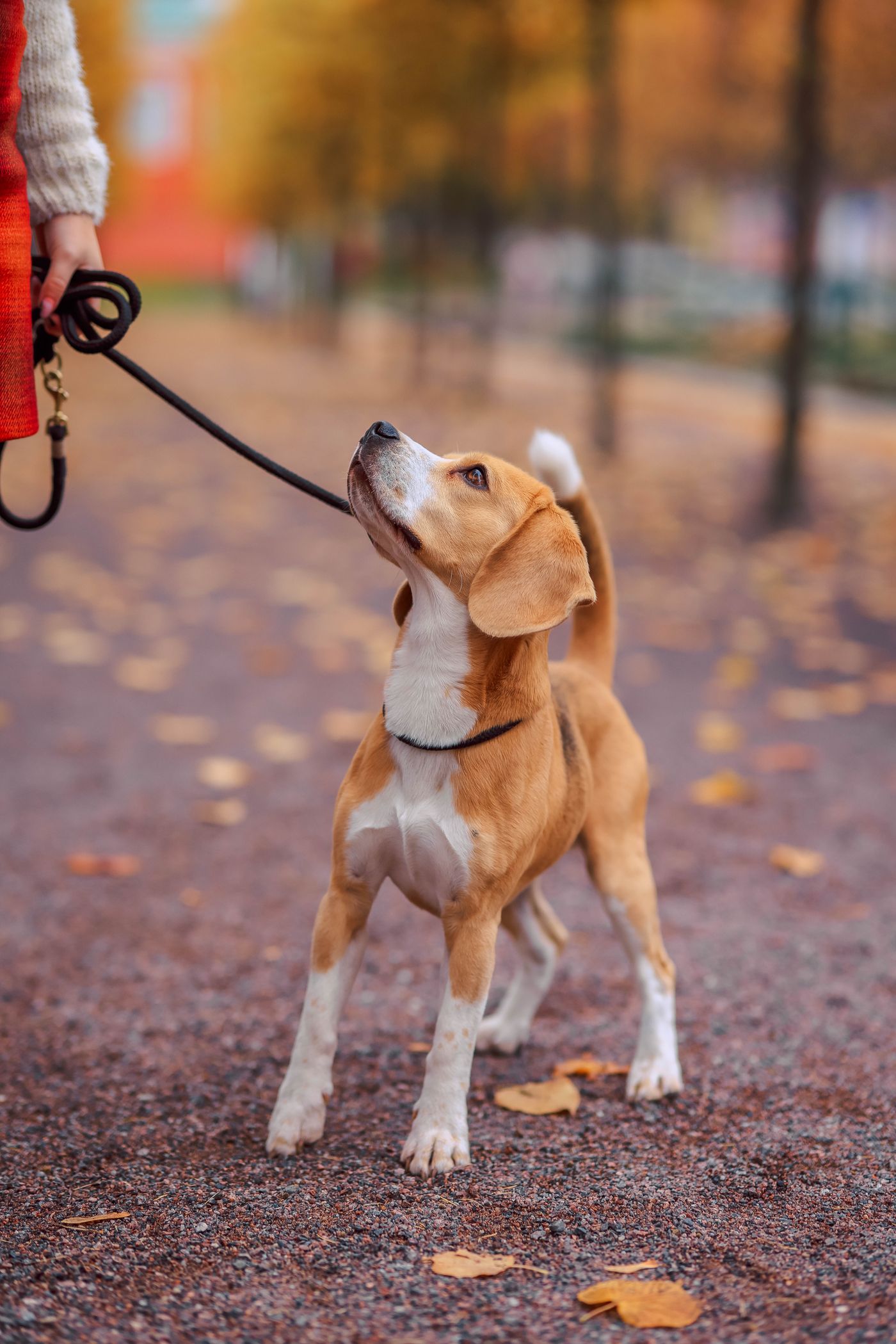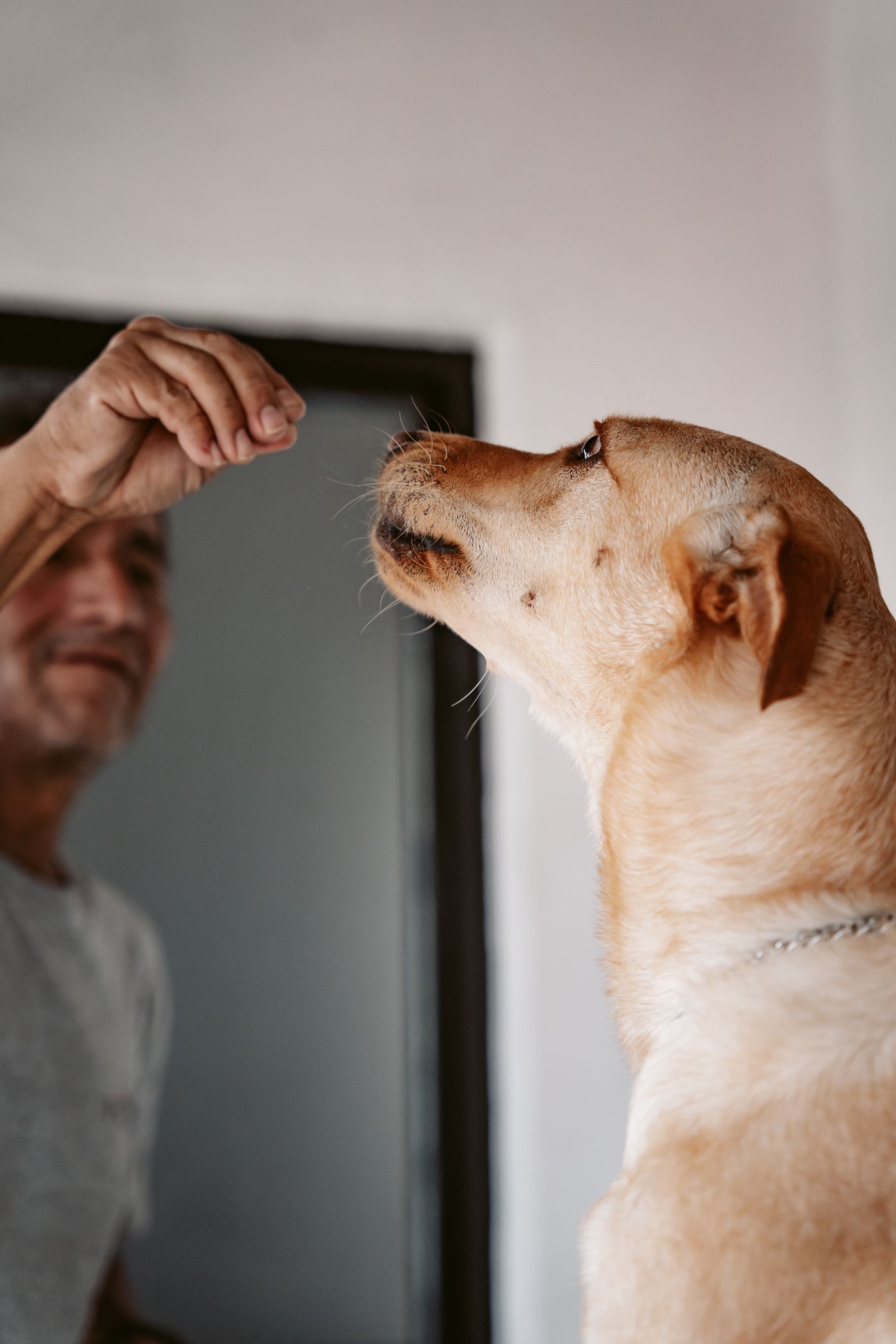
A dog can hear its name and still remain focused on something else. That response does not by itself show deliberate disobedience. Teach the name as an attention cue and practise returning to you as a separate behaviour with its own reward history.
Give the name a clear job
In a quiet space, say the name once. Mark and reward a glance toward you. Repeat only a few times, then stop. Avoid using the name mainly before scolding or repeating it continuously while the dog ignores you.
Once attention is reliable, follow it with a familiar cue if needed. This makes the sequence easier to understand than using the same word to mean 'look,' 'come' and 'stop.'
Adjust for the setting
Outside, smells, wildlife and other dogs can be much more compelling than they are at home. Begin in a quiet area and close the distance. Reward generously, then allow a return to appropriate exploration. Increase distractions gradually.
Keep a leash or long line managing safety. A dog that responds at home has not automatically learned the same skill beside traffic or active play.
Notice a broader change
If your dog stops responding to familiar sounds across several settings, or appears startled by touch, discuss hearing and health with your veterinarian. Pain, fatigue and age-related changes can also affect engagement.
The useful question is not whether your dog respects you enough. It is whether the cue has a clear meaning, a worthwhile outcome and a difficulty level the dog can manage today.
ONE THING TO TAKE WITH YOU
Teach the name as an attention cue, practice in easy settings and investigate new changes in responsiveness.
FURTHER READING
Editorially checked on 23 November 2026. Sources are provided for further reading; this is not an individual veterinary assessment.