Cats can learn useful household skills when the task is understandable and the reward appeals to them. Begin in a quiet place, allow your cat to leave and build on voluntary participation. Small lessons can make communication, handling and everyday routines more predictable.
Teach a name and a simple target
Say your cat's name once, then reward looking toward you. Later, invite one or two steps in your direction. A target can be as simple as an offered finger: reward an interested nose touch and gradually use it to guide movement onto a mat or into a carrier.
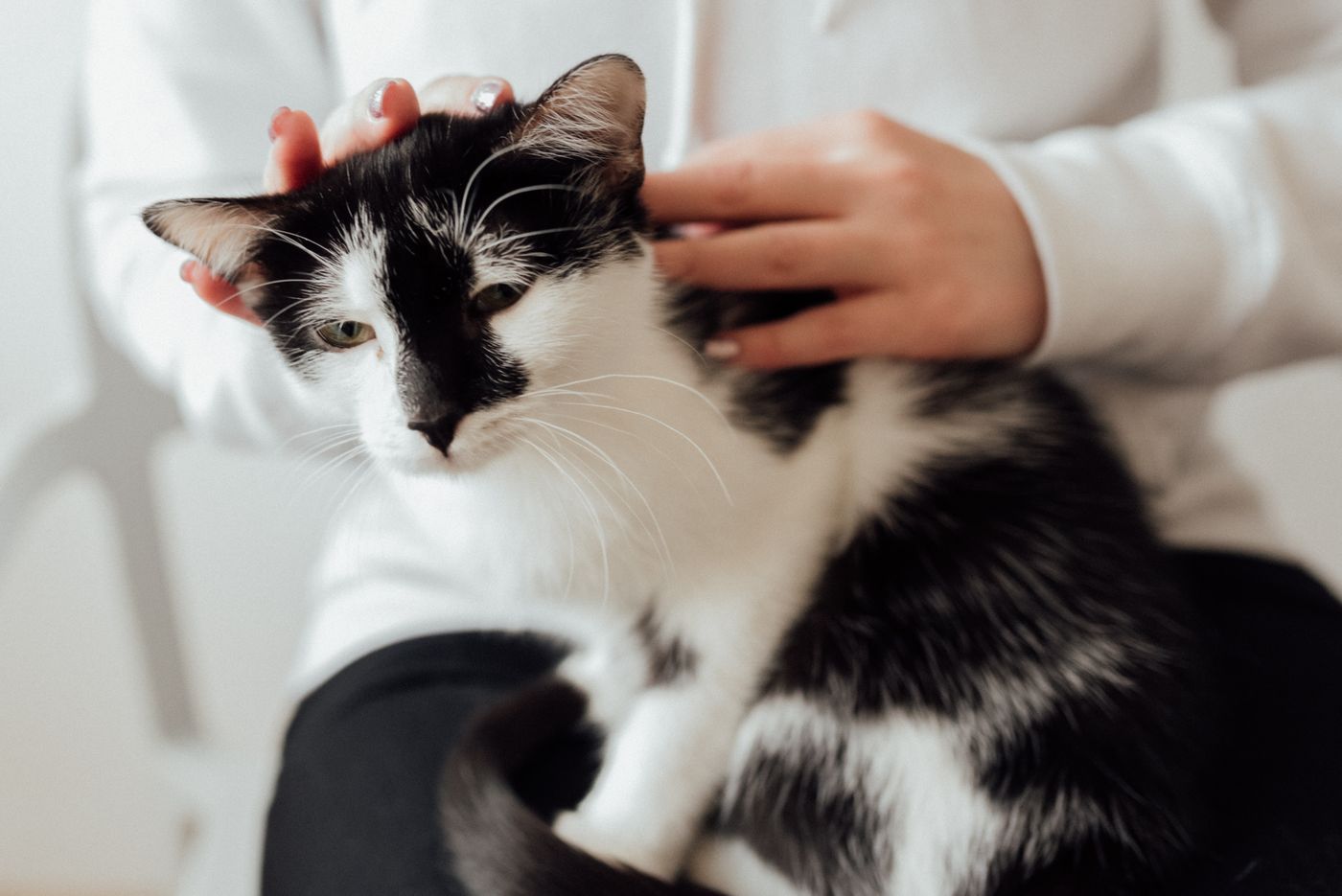
Make handling cooperative
Briefly touch a comfortable area, reward and release. Progress slowly toward paws, brushing or a lip lift only when your cat remains relaxed. Hissing, freezing or retreat means the session has become too difficult. Blowing in the face, flicking the nose or restraining harder can increase fear.
Practice with visitors and routines
Let visitors sit quietly and allow the cat to approach. Keep a hiding place available. Predictable meals and play sessions help establish the rhythm of the day without requiring the cat to tolerate constant attention.
If teeth or claws meet skin during play, pause and redirect to a suitable toy. Avoid using hands as prey, and do not apply strong fragrances or medicated oils as deterrents.
Keep optional skills optional
A paw trick, mat cue or harness introduction can be enjoyable for a willing cat. Outdoor walks are not necessary for every cat; secure indoor enrichment may suit yours better. Practice for a minute or two and finish with an easy success. Confidence matters more than collecting tricks.
ONE THING TO TAKE WITH YOU
Training works best when the cat can choose to participate and the reward arrives promptly.
FURTHER READING
Editorially checked on 23 November 2026. Sources are provided for further reading; this is not an individual veterinary assessment.