Nail care asks an animal to accept several sensations at once. Handling a paw, pressure on a toe and the sound or touch of a tool can be introduced separately. Begin with comfortable participation and seek help first for an injured nail or apparent pain.
Begin with consent and position
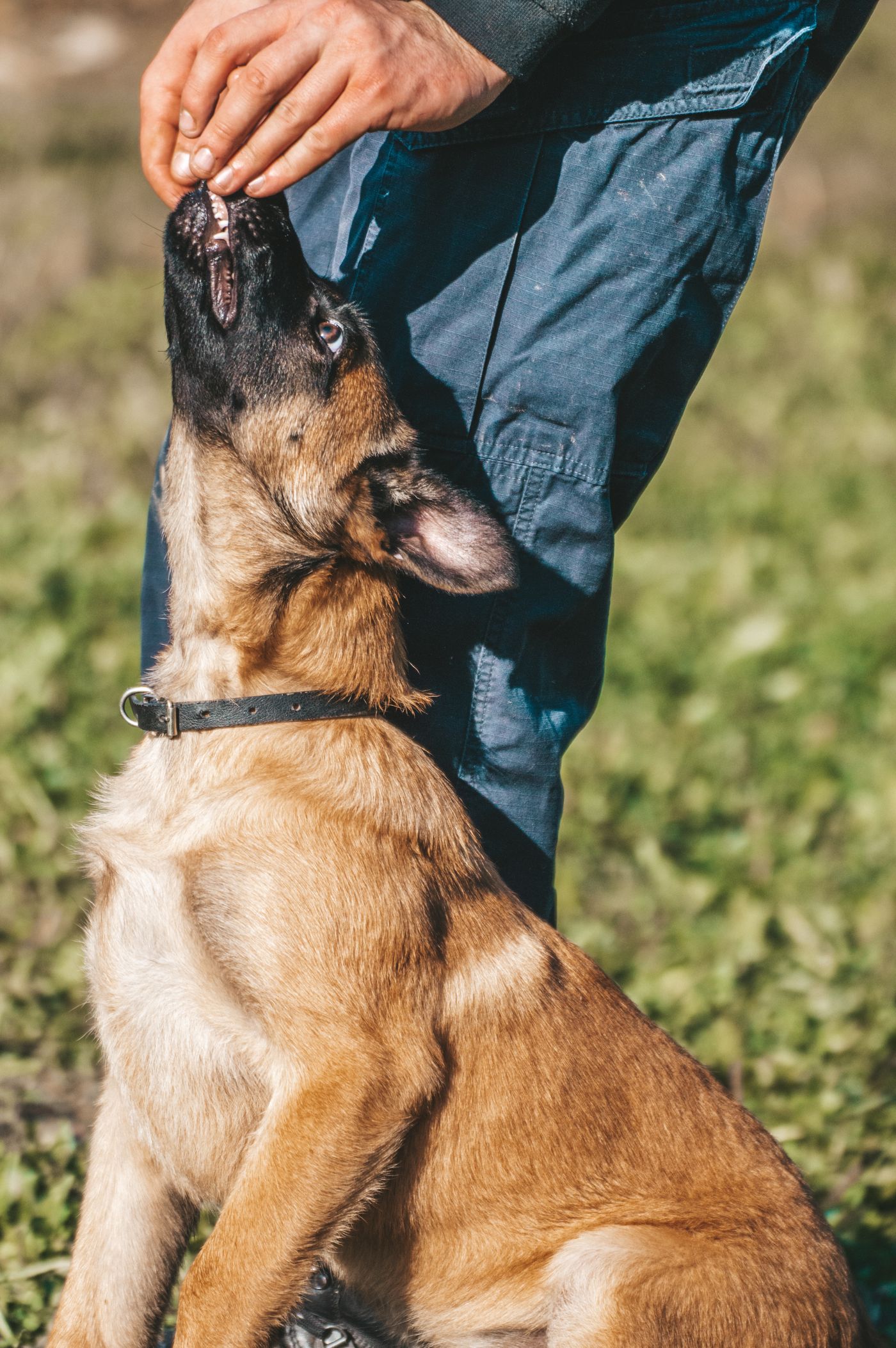
Choose a stable, non-slip surface and a comfortable posture. Reward a brief touch to the leg, then the paw, and release. Increase contact only while the pet stays relaxed. Do not force the body into an awkward position to reach a nail.
Introduce the tool
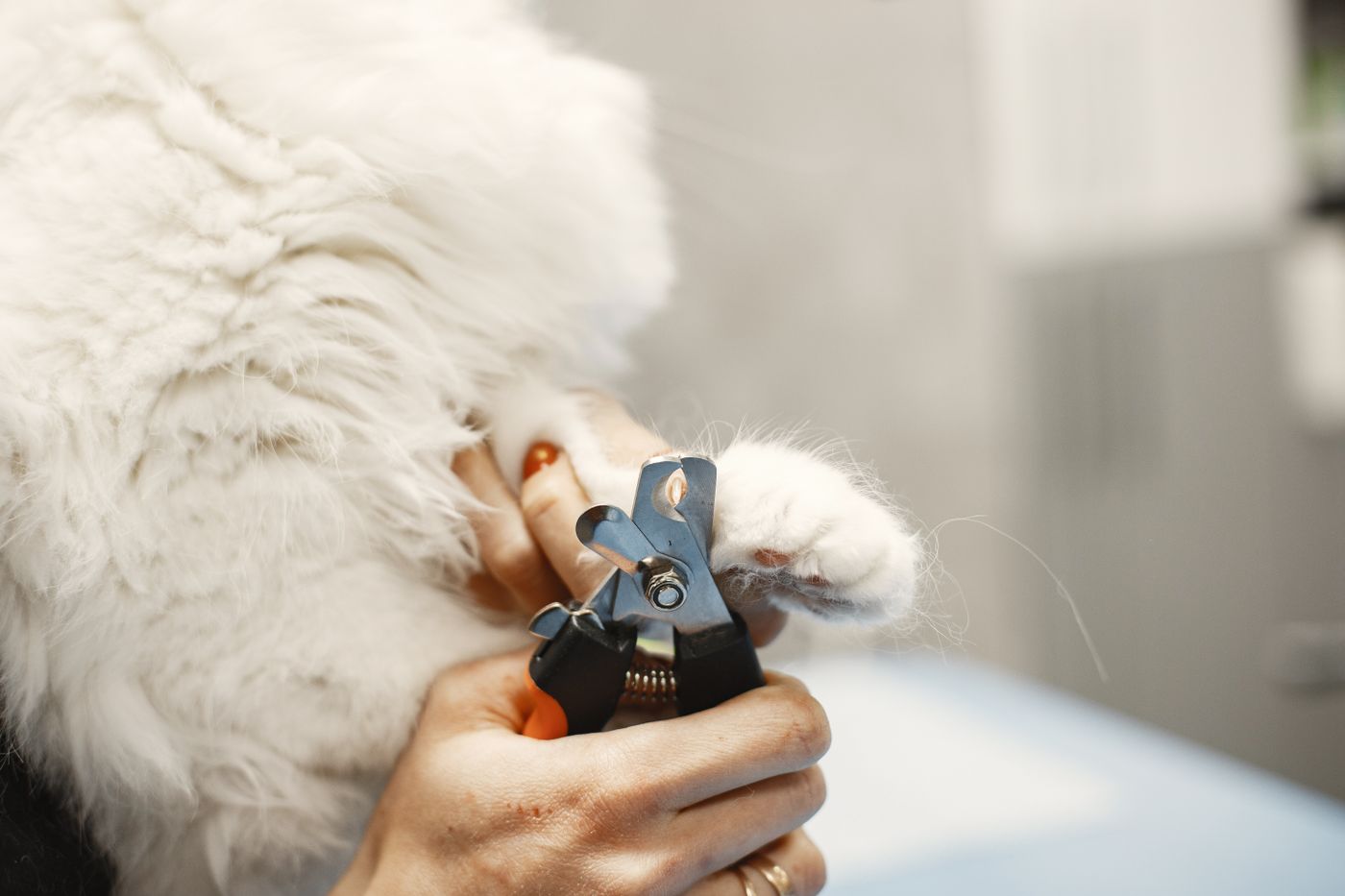
Let your pet see the clipper or hear a grinder from a comfortable distance. Pair the experience with rewards. Progress to a light touch of the tool without cutting before attempting a small trim.
Trim conservatively
Learn to recognize nail anatomy and the sensitive quick with help from a veterinary professional or groomer. Dark nails can be harder to assess. Remove only a small amount when confident, and keep suitable first-aid supplies available.
One nail may be enough for an early session. End on a comfortable success rather than insisting on completing every foot.
Choose help when needed
Some pets need professional handling, a different tool or a veterinarian-guided plan. Severe fear is not solved by stronger restraint.
Check nails regularly, including dewclaws, and adjust care to wear and growth. The long-term goal is safe maintenance with less worry each time.
ONE THING TO TAKE WITH YOU
Teach handling and tool comfort separately, trim small amounts and stop before fear escalates.
FURTHER READING
Editorially checked on 23 November 2026. Sources are provided for further reading; this is not an individual veterinary assessment.